A load may fit on a regular pickup truck but still be unsafe to move in an enclosed body. Long steel sections, machinery with lifting points, palletized materials, event structures, and equipment that must be loaded by forklift all need the right access and restraint options. That is when are flatbeds required: when a standard vehicle cannot carry, load, secure, or unload the item safely and efficiently.
For businesses and individuals in Abu Dhabi, choosing a flatbed is not only about carrying more weight. It is about protecting the load, keeping the vehicle stable, allowing safe loading access, and avoiding delays at the job site. A correctly sized flatbed with an experienced driver can make a demanding move far more manageable.
What Makes a Flatbed Different?
A flatbed has an open, level loading platform with no fixed roof or side walls. This design gives crews access from the rear and both sides, which is especially useful where a forklift, crane, or Hi-Up truck is needed to place the load. It also makes flatbeds suitable for goods that are wider, taller, or longer than the internal dimensions of a closed truck body.
The open platform does not mean the load can be placed without planning. Flatbed transport depends on proper load distribution, rated straps or chains, edge protection where needed, and secure anchoring points. For sensitive materials, a tarpaulin or other weather protection may be required. The best choice depends on the load itself, the route, weather conditions, site access, and unloading method.
When Are Flatbeds Required for a Load?
A flatbed is generally required when the shape, size, weight, or handling method of the cargo makes an enclosed truck impractical or unsafe. In many cases, it is the only sensible option because it lets equipment approach from the side and gives the driver or site crew room to secure the load correctly.
Long, wide, or unusually shaped materials
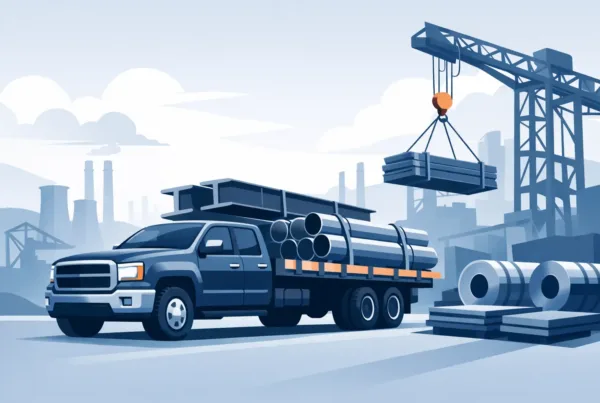
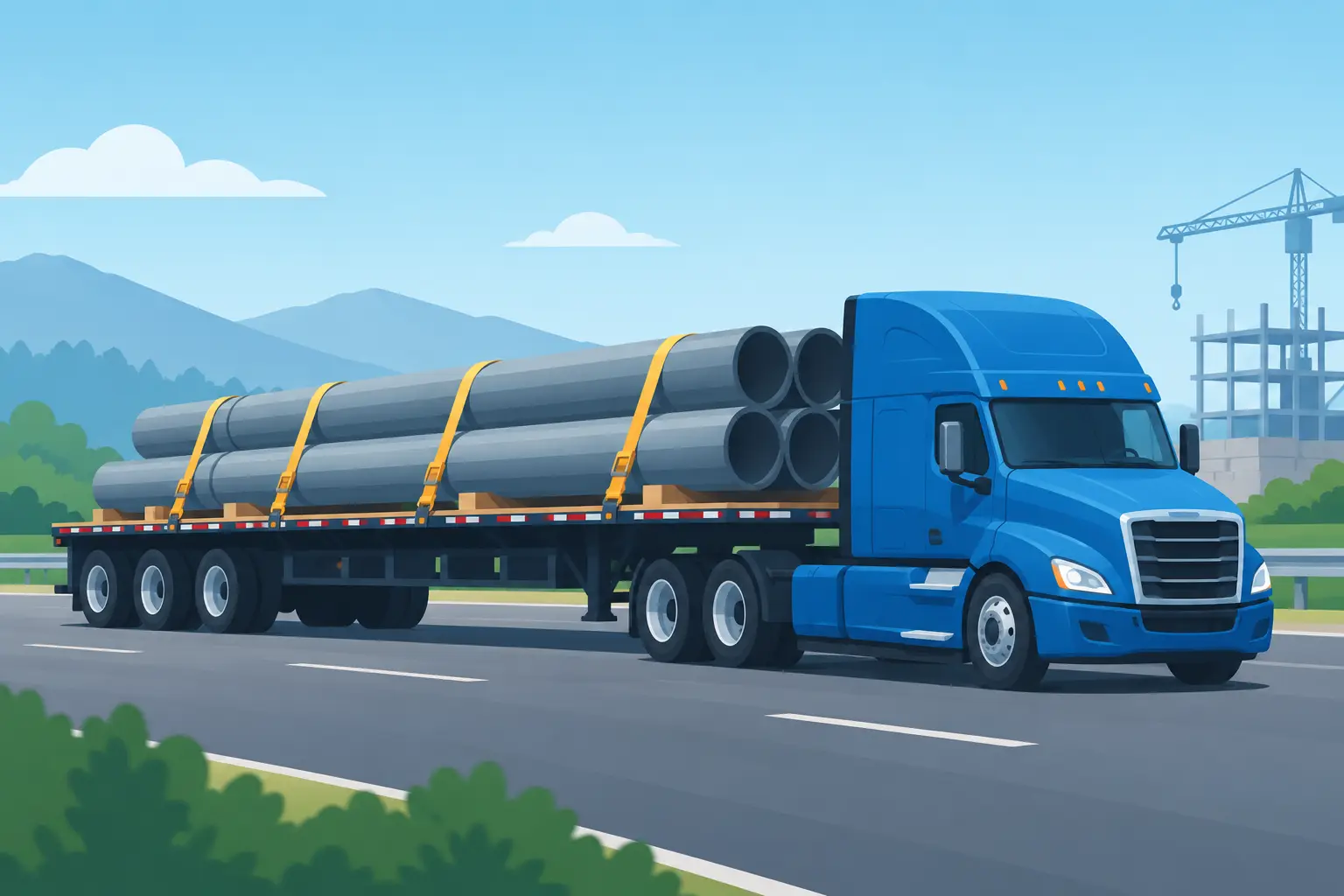
Flatbeds are commonly used for steel pipes, rebar bundles, structural sections, timber, scaffolding, aluminum profiles, and fabricated components. These items may extend beyond the usable space of a standard pickup body or cannot be turned and positioned through rear doors.
Loads that overhang the vehicle require additional attention. Safe marking, secure restraints, visibility, and any applicable approvals must be arranged before the journey begins. A longer load does not automatically mean a bigger truck is enough. The overall load length and axle distribution must be checked first.
Heavy equipment and machinery
Generators, compressors, welding machines, pumps, industrial tools, and site equipment often need a flatbed because they are heavy, awkward, or designed to be lifted from above. Forklift loading is often faster and safer than manually shifting a heavy item into an enclosed truck.
Weight capacity is critical here. A 1-ton pickup may suit light equipment and compact deliveries, while 3-ton, 5-ton, 7-ton, or 10-ton flatbeds are better for larger machinery and project materials. The gross vehicle limit is not the only consideration. The load must be balanced across the bed so the truck handles safely during braking and turns.
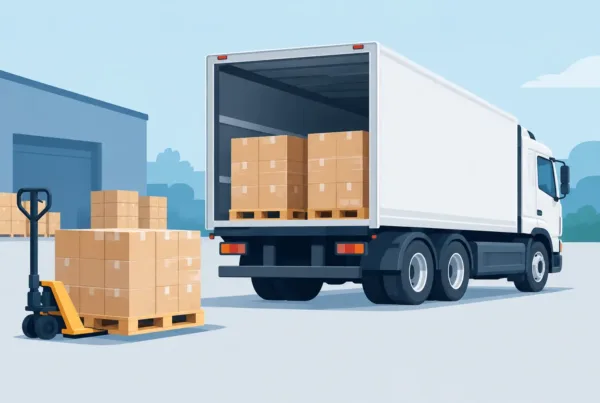
Forklift or crane loading is needed
If a warehouse, factory, workshop, or construction site plans to load from the side, a flatbed is usually the practical choice. Forklifts need clear access to place pallets or machinery evenly on the deck. Crane-assisted loading also requires an open platform and a crew that understands lifting and securing procedures.
This is particularly relevant in industrial locations such as Musaffah, ICAD, KIZAD, and project sites where loading schedules are tight. Booking the correct vehicle before the forklift arrives reduces waiting time and helps keep the site organized.
Construction and project materials
Construction work rarely moves in standard box-shaped loads. Materials may include shuttering panels, pipes, cables, steel frames, drywall bundles, tanks, and site containers. A flatbed provides flexible space for these items and gives the receiving crew better access during unloading.
However, an open flatbed may not be the right choice for materials that need full protection from dust, moisture, or direct sunlight. In that case, a closed truck can be a better fit, or the flatbed load may need approved covering. The goal is not simply to use the largest available truck. It is to select a vehicle that matches the material condition and site requirements.
Events, exhibitions, and outdoor setups
Event companies often require flatbeds for staging sections, truss systems, lighting stands, barriers, display structures, furniture, and large decorative items. These loads can be long, bulky, and difficult to stack in a closed vehicle. Side access also allows quicker loading and unloading when setup windows are short.
For venues and public-event locations, the transport plan should account for entry gates, vehicle height restrictions, delivery timing, and the availability of loading staff. A flatbed can save valuable time, but only if the load is packed in the correct order for installation.
Flatbed Requirements: Safety Comes First
There is a difference between a job that can physically fit on a flatbed and a job that is ready to travel safely. Before dispatch, the driver and customer should agree on the load dimensions, estimated weight, pickup and drop-off access, and whether lifting equipment will be available at both ends.
A safe flatbed job should cover these essential points:
- The vehicle has sufficient payload capacity for the load, including pallets, packing, and securing equipment.
- The cargo is positioned low and centered to reduce movement and protect vehicle stability.
- Straps, chains, binders, and anchor points are suitable for the item being carried.
- Sharp edges, corners, and fragile surfaces are protected before restraints are tightened.
- Overhangs, tall loads, and special movements are checked against route and site rules before departure.
Do not rely on loose ropes or assume that heavy equipment will remain in place because of its weight. Sudden braking, uneven roads, and sharp turns can shift an unsecured load. Proper restraint is part of the transport service, not an optional extra.
Choosing the Right Flatbed Size
The right truck is determined by more than the weight written on an invoice or packing list. Measure the longest, widest, and tallest points of the load, then consider how it will be loaded. A machine that weighs less than one ton may still need a larger flatbed if its footprint is wide or if a forklift needs room to position it safely.
For small home moves, shop fixtures, compact equipment, or a few long items, a 1-ton pickup flatbed may be suitable. Medium commercial loads and palletized materials often require a 3-ton or 5-ton truck. Larger site equipment, steel materials, and major project deliveries may need a 7-ton or 10-ton flatbed, sometimes with crane Hi-Up support.
If the cargo must be raised from ground level without a loading dock or forklift, a tail lift truck may be more appropriate than a flatbed. If the load needs side lifting and open deck access, a crane Hi-Up flatbed can be the stronger option. The vehicle should match the real handling requirement, not just the distance of the trip.
Information to Give Before Booking
Clear information helps the transport team send the correct truck and avoid last-minute changes. Share the load type, quantity, dimensions, approximate weight, photos if available, pickup location, destination, and required loading time. Mention whether the site has a forklift, crane, ramps, loading dock, or restricted entry point.
It is also helpful to explain if the goods are fragile, high-value, weather-sensitive, or difficult to secure. A few minutes of planning can prevent the common problems that delay transport: an undersized truck, inaccessible loading area, missing lifting equipment, or materials that require more straps than expected.
Fast Movers General Transport LLC SPC provides 1-ton to 10-ton pickup and flatbed rental support with experienced drivers across Abu Dhabi, including open, closed, tail lift, and crane Hi-Up truck options. For urgent site work, retail deliveries, relocations, events, and industrial transport, 24/7 availability gives customers a practical option when their own fleet cannot cover the job.
A flatbed is required when the load needs open access, safe side loading, extra deck space, or stronger securing support than a regular truck can provide. Send the load details before booking, and the right vehicle can be assigned with fewer delays, safer handling, and a smoother start at the job site.