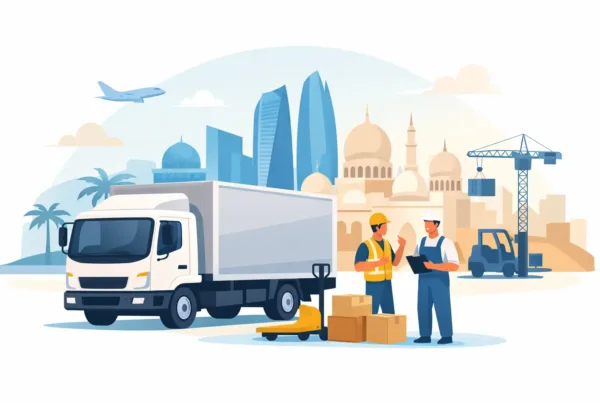

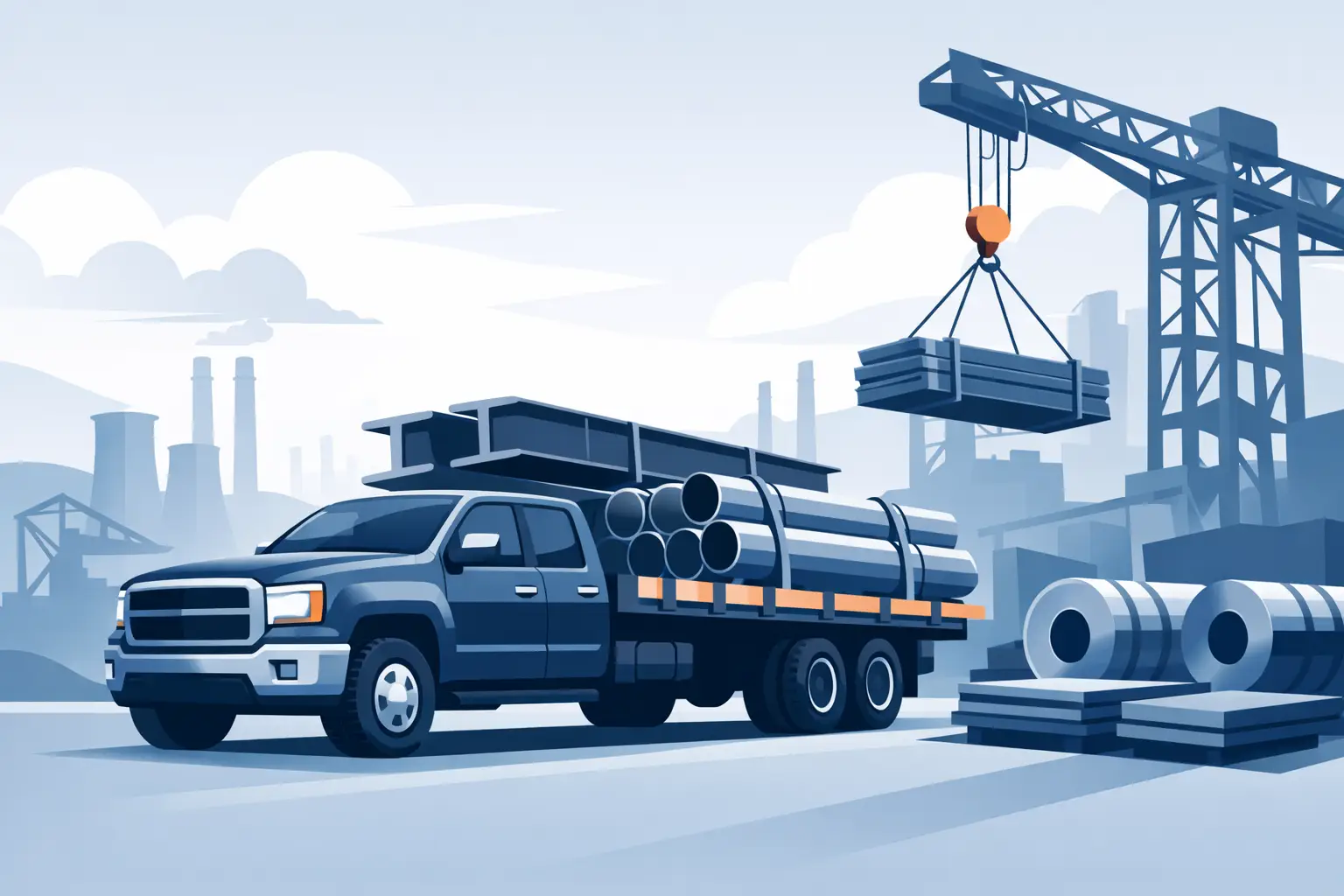
Steel does not wait for a convenient transport window. A fabrication job may need channels delivered before a shift starts, a construction site may need plates moved before a crane arrives, or a workshop may need urgent support to keep production moving. A heavy pickup for steel industry work provides practical capacity for these time-sensitive moves without requiring a business to maintain its own fleet.
For steel suppliers, fabricators, contractors, and industrial maintenance teams, the right truck is not simply the biggest truck available. It is the vehicle that can carry the actual load safely, access the pickup and delivery points, and arrive with an experienced driver who understands industrial transport work. That combination keeps loading organized and helps avoid costly delays.
Why steel transport needs the right vehicle
Steel products create challenges that ordinary deliveries do not. They are heavy, dense, often long, and sometimes irregularly shaped. Pipes can roll, sheets can shift, and sharp edges can damage other materials or create a hazard during loading. A truck that looks large enough may still be unsuitable if its bed length, side access, payload rating, or load-securing points do not match the job.
A proper transport plan starts with the material. Steel bars, rebar bundles, angles, channels, pipes, plates, coils, frames, and fabricated components all behave differently in transit. A load of compact steel plates can become extremely heavy very quickly. Long structural sections may be lighter than expected but require a longer bed and careful overhang management.
This is why clear information before booking matters. Share the material type, quantity, approximate dimensions, total weight if known, loading method, and delivery location. Photos are also useful when the load includes fabricated pieces, unusual shapes, or large bundles. With accurate details, the transport provider can recommend a suitable vehicle rather than sending a truck that is too small, too large, or wrong for the site.
Choosing a heavy pickup for steel industry loads
Truck size should be based on more than the stated tonnage. The weight capacity of a 1-ton, 3-ton, 5-ton, 7-ton, or 10-ton pickup is only one part of the decision. Bed dimensions, vehicle body style, loading access, route conditions, and whether lifting equipment is available at each end are just as important.
A 1-ton pickup can be a sensible choice for smaller bundles of steel accessories, short sections, tools, brackets, and light workshop materials. It is easier to maneuver in congested yards, commercial areas, and smaller job sites. However, it should not be selected simply because the load appears compact. Dense steel materials can exceed safe payload limits faster than many customers expect.
For regular movement of bars, pipes, channels, and moderate fabrication loads, a 3-ton or 5-ton pickup often gives a more practical balance of capacity and flexibility. These trucks can support factory-to-site transfers, stock replenishment, and scheduled material movement while remaining useful in industrial areas with limited turning room.
A 7-ton or 10-ton truck is better suited to heavier steel packages, larger fabricated sections, and loads that would otherwise require multiple smaller trips. Fewer trips can reduce handling time and simplify site coordination. The trade-off is that larger vehicles need adequate access, space for positioning, and a safe loading area.
For oversized lengths or materials that need open side loading, an open truck or flatbed trailer may be the better option. For equipment that must be lifted directly onto the vehicle, a crane Hi-Up truck can reduce dependence on separate lifting arrangements. Tail lift vehicles are useful for certain packaged items, but they are not the answer for every steel load. The loading method must match the weight and shape of the material.
Load security is part of the service
Steel transport is not just about getting from point A to point B. The load must remain stable through braking, turns, uneven yard surfaces, and traffic conditions. Proper restraints, edge protection where needed, blocking, and balanced placement help control movement during transit.
The driver also needs room to inspect the load before departure. Rushing this step creates unnecessary risk. A few minutes spent checking the placement and restraints is far less disruptive than dealing with a shifted load, damaged product, or an unsafe stop on the road.
Loading teams should avoid placing all weight at one end of the bed or stacking materials in a way that can slide. Pipes and round materials need special attention because they can roll if they are not properly chocked and secured. Long sections should be positioned so they remain stable and comply with applicable road and site requirements.
Transport providers and site teams both have responsibilities. The supplier or loading crew should provide correct weight and material information and use safe loading practices. The driver should confirm that the vehicle is suitable and that the load is secure before travel. When these teams communicate clearly, the job moves faster and with fewer surprises.
Plan around the site, not just the route
A steel delivery can fail even when the truck is correctly selected if the destination is not ready. Before booking, confirm who will receive the materials, where the vehicle will park, how unloading will happen, and whether a forklift, crane, or labor team will be available.
This is especially relevant in Musaffah, ICAD, and other active industrial zones around Abu Dhabi, where factories, workshops, construction sites, and yards may have different entry rules and loading layouts. A vehicle may need a gate pass, a specific arrival slot, or instructions to enter through a particular service road. Sharing these details before dispatch helps prevent waiting time at the gate.
Timing is another practical issue. Some jobs need early-morning material delivery before work crews begin. Others require evening support after a fabrication run is complete. A rental service with 24/7 availability gives project teams more control when schedules change, but advance coordination is still the best way to secure the right truck and driver.
When rental is better than owning a truck
Owning a heavy pickup can make sense for a business with steady, predictable transport demand. But ownership also brings vehicle payments, maintenance, insurance, driver management, downtime, and replacement planning. For many steel-related businesses, transport demand rises and falls with project schedules, purchase orders, and site activity.
Rental gives operations managers the ability to scale capacity when needed. A workshop may need a 3-ton pickup for normal transfers but require a 7-ton truck for a major material intake. A contractor may need a crane Hi-Up vehicle for one location and an open pickup for another. Renting the right vehicle for each task can be more cost-effective than paying year-round for equipment that is not always in use.
It also helps during breakdowns, peak periods, and urgent jobs. Instead of interrupting a project because an in-house vehicle is unavailable, teams can arrange temporary transport support and keep materials moving. The value is not only in the truck itself. It is in having a ready driver, an appropriate vehicle option, and a responsive dispatch team when the schedule changes.
Questions to answer before you book
A quick, accurate booking conversation saves time for everyone. Be ready to confirm the following details:
- What type of steel is being moved, and what are its approximate weight and dimensions?
- Is the material bundled, loose, palletized, fabricated, or unusually shaped?
- What equipment will load and unload the truck?
- Does the pickup or delivery site have access restrictions, timing requirements, or safety rules?
- Is this a one-time urgent move, a daily transfer, or an ongoing project requirement?
These answers allow the provider to assign the right vehicle rather than making assumptions. They also help set realistic expectations about loading time, access needs, and the best equipment for the job.
Fast Movers General Transport LLC SPC provides 1-ton to 10-ton pickup rentals, flatbeds, and specialized truck options with experienced drivers for industrial transport requirements across Abu Dhabi. Daily, weekly, and monthly arrangements give steel businesses flexibility when they need additional capacity without a long-term fleet commitment.
The best steel transport decision is usually the simple one: provide complete load details, choose the truck that fits the real job, and make sure both sites are prepared. When the truck, driver, and site plan are aligned, steel arrives where the work needs it and the project can keep moving.