

A delayed load of steel, plastic materials, machinery parts, or site equipment can slow an entire shift. For companies operating in Khalifa Industrial Zone Abu Dhabi, materials transport for KIZAD businesses needs to be dependable, correctly sized, and ready when site schedules change. The right rental truck and experienced driver help keep materials moving between factories, warehouses, yards, project locations, and Khalifa Port-area facilities without adding unnecessary cost to the operation.
Why Transport Planning Matters in KIZAD
KIZAD is built for serious industrial activity. Manufacturing plants, steel businesses, plastic industry operations, workshops, warehouses, construction teams, and ADNOC-related projects often work to tight loading windows and production schedules. A truck that arrives late, has insufficient capacity, or cannot safely handle the load creates pressure for everyone on site.
Transport is not only about moving an item from one point to another. It is about having the appropriate vehicle, a driver who understands industrial-site expectations, and enough flexibility to support planned deliveries as well as urgent requirements. Some jobs need a quick pickup of packed materials. Others require several trips across a day, regular support throughout a project, or a dedicated truck for a month.
For this reason, renting transport capacity is often more practical than keeping a large vehicle fleet that may sit unused between jobs. Businesses can select the truck size and body type for the actual task, then scale up or down as demand changes.
Choose the Truck Around the Load
The best truck is not always the biggest one. An oversized vehicle can add cost and may be less convenient for smaller access points, while an undersized truck can require extra trips or create loading risks. Before booking, consider the material weight, dimensions, packaging, loading method, route, unloading point, and whether the cargo needs protection from weather or dust.
A 1-ton pickup truck is often suitable for light commercial goods, cartons, tools, samples, small equipment, and urgent site supplies. It is a practical choice when fast movement and easier access matter more than high volume.
For heavier materials and regular industrial deliveries, 3-ton, 5-ton, 7-ton, and 10-ton pickup trucks provide more capacity. These vehicles can support construction materials, steel sections, palletized products, machinery components, workshop supplies, and larger equipment loads. The actual choice depends on confirmed weight and loading dimensions, not an estimate made at the last minute.
Open, Closed, Tail Lift, or Crane Hi-Up?
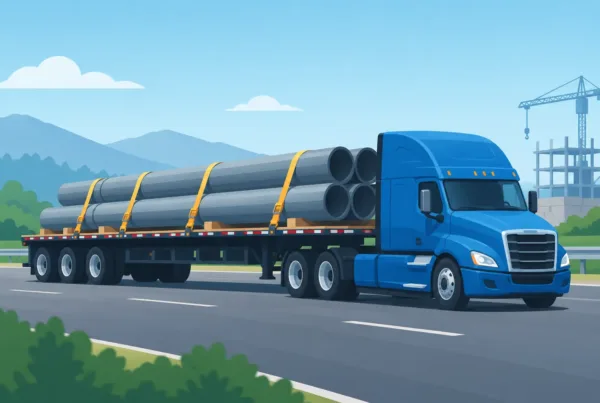
Truck body type matters as much as payload. An open pickup is useful when materials are long, irregularly shaped, or loaded by forklift or crane. It can suit steel, building materials, pipes, equipment frames, and other loads that need open access.
A closed truck provides better protection for boxed goods, sensitive equipment, finished products, and materials that should not be exposed during transport. A tail lift truck is helpful when the collection or delivery point does not have a forklift or loading dock. For machinery, heavy items, or materials that need mechanical lifting support, a crane hi-up truck can save time and reduce manual handling.
A flatbed trailer may be the better answer for larger or unusually shaped loads. The key is to discuss the job clearly before dispatch. Sharing basic details about the item, approximate weight, pickup area, delivery area, and site requirements helps the transport provider assign a suitable vehicle from the start.
Safe Loading Protects Your Materials and Your Schedule
Safe transport begins before the truck leaves the yard. Materials must be loaded evenly, secured properly, and kept within the vehicle’s approved capacity. Loose or poorly balanced cargo can shift during braking or turning, increasing the risk of damage, delays, and safety issues at the delivery location.
For industrial materials, packaging also deserves attention. Pallets should be stable, steel and long goods should be secured correctly, and fragile items should be protected from movement. If a load has unusual dimensions, sharp edges, lifting points, or handling instructions, inform the driver and transport coordinator before pickup. This allows the team to plan equipment and securing methods appropriately.
Site rules can vary. Some factories and project areas may require delivery appointments, gate passes, safety gear, driver identification, or a named site contact. Preparing these details early avoids a truck waiting outside the gate while production teams look for approvals.
Flexible Rentals Keep Costs Under Control
Many KIZAD businesses do not need the same truck every day. A fabrication workshop may need a 3-ton truck for regular material collection, then require a 7-ton vehicle when a larger order is ready. A construction contractor may need a daily pickup for supplies during one phase and monthly transport support when work becomes more active.
Daily rentals work well for one-time jobs, urgent material movement, event setup equipment, or short project requirements. Weekly rentals can support recurring deliveries without the commitment of a longer arrangement. Monthly truck rental is often a better value for businesses with ongoing site operations, regular deliveries, or a continuing need for flexible vehicle capacity.
This approach helps operations managers avoid the fixed costs of vehicle ownership, including fleet maintenance, insurance administration, driver management, and downtime. It also makes it easier to adjust capacity when project conditions change. The lowest rental price is not always the lowest total cost if it results in delays, extra trips, or unsuitable equipment.
Work With Drivers Who Understand Site Deliveries
An experienced driver adds real value to materials transport. Industrial routes may involve busy access roads, warehouse entry points, loading bays, security gates, and changing on-site instructions. A professional driver helps the job move in an orderly way while following safe driving and loading practices.
Clear communication is equally important. The driver should receive accurate pickup and delivery contacts, the vehicle should arrive in the agreed time window, and the customer should know who to contact if a requirement changes. For urgent jobs, responsive coordination can be the difference between a minor adjustment and a costly delay.
Fast Movers General Transport LLC SPC provides 1-ton to 10-ton pickup truck rentals, including open, closed, tail lift, and crane hi-up options, with experienced drivers available across Abu Dhabi. This gives KIZAD companies practical support for routine material runs, scheduled project transport, and time-sensitive site requirements.
A Simple Booking Checklist for Better Results
Before arranging materials transport for KIZAD businesses, confirm the essential job details. A few minutes of planning can prevent the wrong truck from arriving or a load from being delayed at collection.
- Material description, quantity, weight, and dimensions
- Pickup and delivery locations, including site contacts
- Required pickup time and delivery deadline
- Loading and unloading equipment available at both ends
- Whether an open, closed, tail lift, crane hi-up truck, or flatbed is needed
- Gate pass, safety, access, or appointment requirements
If the load includes several types of material, explain which items are heaviest, longest, most fragile, or needed first at the destination. This helps with vehicle selection and loading order. For repeat transport, keep a record of the truck type and timing that worked well on earlier jobs, then use it as a starting point for future bookings.
Transport Support That Fits Real Operations
KIZAD businesses operate under real pressures: production deadlines, project handovers, customer commitments, and limited storage space. Reliable truck rental gives teams an option when their own vehicle is unavailable, when demand increases suddenly, or when a specific truck body is needed for a particular load.
The strongest transport arrangement is one that fits the job rather than forcing the job to fit the vehicle. Confirm the load, choose the right capacity, prepare the site information, and book early when possible. When an urgent request comes in, having a dependable transport partner already familiar with your operating needs makes the next move much easier.