
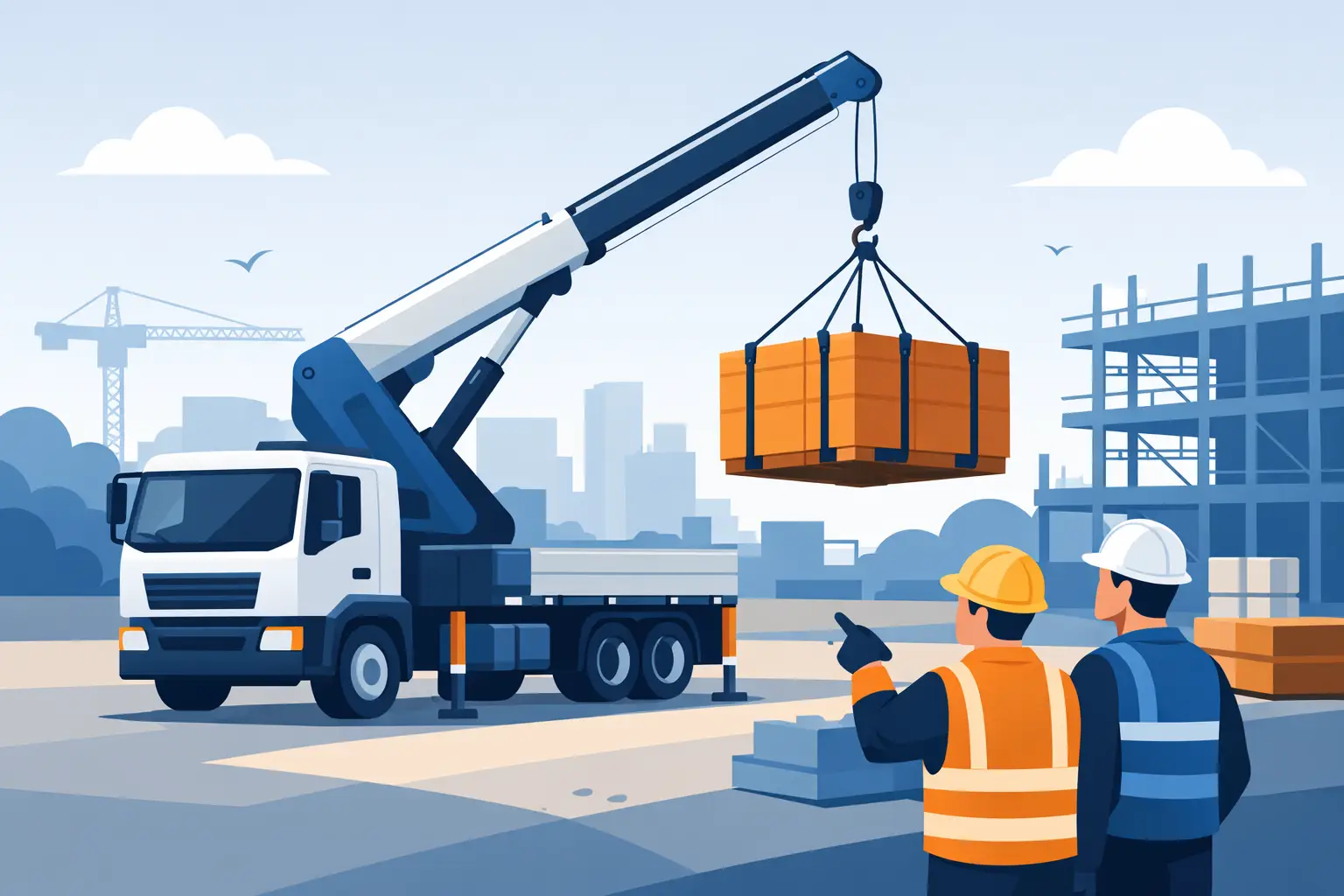
A crane truck can save hours on a job that would otherwise require separate lifting equipment, labor, and transport vehicles. But knowing how to hire a crane truck properly is not just about finding an available vehicle. You need the right truck capacity, a skilled operator, safe access to the site, and a clear plan for what will be lifted and where it will be placed.
For construction materials, steel items, machinery, generators, site cabins, event equipment, and heavy commercial goods, choosing the wrong crane truck can cause delays, extra costs, or unsafe lifting conditions. A reliable rental partner helps you match the vehicle to the job before the truck reaches your location.
Start With the Load, Not the Truck
The first question is simple: what exactly needs to be lifted? Give the rental company the best available details about the item, including its weight, length, width, height, and the number of pieces. If you are lifting more than one item, explain whether they will be lifted individually or as a bundled load.
Weight matters, but it is not the only factor. A long steel beam, large pipe section, glass panel, or machine may need more room to maneuver than a compact item of the same weight. The load must also be stable and have suitable lifting points. If it does not, the operator may need slings, chains, straps, or other approved lifting accessories to handle it safely.
Do not estimate a load weight when exact information is available. Manufacturer specifications, packing lists, or supplier documents can prevent problems at the job site. If the weight is uncertain, tell the rental provider early so they can advise on a suitable crane Hi-Up truck and lifting arrangement.
Check the Required Lifting Reach
A crane truck does not always lift directly beside the vehicle. On many sites, the truck may need to lift over a boundary wall, place materials onto an upper level, reach across a trench, or unload equipment inside a restricted yard. This is where lifting reach becomes as important as load weight.
The farther the crane arm extends, the lower its safe lifting capacity becomes. A truck that can lift a certain weight close to its body may not be able to lift the same load at a longer distance. Explain the expected pickup point and placement point to the rental company, including the estimated height and horizontal reach required.
Photos and short videos of the site are often helpful. They allow the provider to identify obstacles such as parked vehicles, overhead cables, narrow gates, trees, scaffolding, or uneven ground before dispatching the truck. This can avoid the costly situation where a vehicle arrives but cannot safely complete the lift.
Choose a Suitable Crane Truck Size
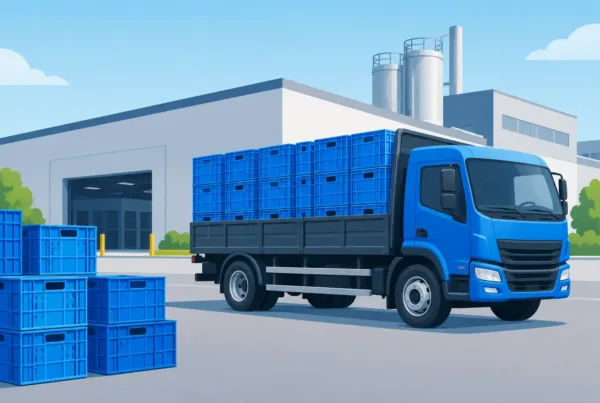
Crane trucks are available in different load capacities and configurations. The right choice depends on both transport needs and lifting requirements. A smaller vehicle may be suitable for lighter materials and tight access areas, while larger truck options are better for heavy equipment, steel, industrial supplies, and long-distance site movements.
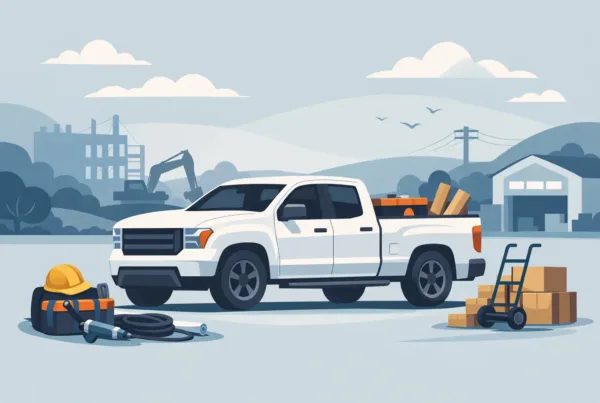
At Fast Movers General Transport LLC SPC, crane Hi-Up trucks can be arranged alongside 1-ton to 10-ton pickup truck rental options for jobs across Abu Dhabi. The correct vehicle depends on the full job scope, not only the weight written on the material invoice.
When requesting a quote, explain whether you need an open truck bed, a flatbed arrangement, or another body type. An open bed is practical for many construction and industrial materials. A flatbed can be useful for oversized or awkward loads that need clear loading access from the side. If the goods need protection from dust or weather, ask whether a closed vehicle is more suitable for the transport portion of the job.
Confirm That a Trained Driver-Operator Is Included
A crane truck should be supplied with an experienced driver-operator who understands vehicle positioning, lifting limits, stabilizer use, and safe unloading procedures. The operator is responsible for handling the crane, but site coordination is still essential.
Before the job, confirm who will provide workers to guide the load, remove packaging, secure materials, and receive the item at the destination. In some cases, the customer may need a site supervisor or banksman to control the work area and communicate with the operator. This is especially relevant on active construction sites, factory yards, event venues, and busy commercial locations.
Never place workers beneath a suspended load or ask people to steady a heavy load by hand. The lift area should be controlled, clear of unnecessary personnel, and free from vehicles that could block the truck or be damaged during the operation.
Assess Ground Conditions and Site Access
A crane truck needs stable ground for safe setup. Soft sand, loose soil, sloped surfaces, damaged paving, underground service covers, and uneven areas can affect safe operation. The truck may use stabilizers to support the vehicle during lifting, so there must be enough space on both sides to deploy them properly.
Tell the rental provider if the job is in a basement access area, narrow lane, warehouse yard, residential compound, industrial facility, or offshore support location. Height restrictions, gate width, turning space, and road access can all affect which truck is appropriate.
In industrial areas such as Musaffah, ICAD, KIZAD, and Khalifa Port, access procedures may also require advance coordination with security or site management. A gate pass, delivery appointment, vehicle details, or operator identification may be needed before entry. Sorting this out before the scheduled time keeps the work moving.
Ask About the Full Rental Scope and Timing
When you hire a crane truck, ask for a clear explanation of what the rental includes. Confirm the truck size, crane capacity, driver-operator, expected working hours, pickup location, delivery location, and whether loading and unloading are included. If the job involves waiting time, multiple stops, late-night work, or a return trip, mention this before booking.
A daily rental may work well for a single planned lift or one-day project. Weekly and monthly arrangements can offer better value for construction teams, factories, event companies, and operations managers with repeated transport needs. The best option depends on how often the truck will be used and whether the schedule is predictable.
Urgent jobs can often be arranged, but advance booking is the better choice for planned site work. It gives time to check access, arrange the right vehicle, coordinate labor, and avoid last-minute changes. For projects with several lifts, share the full schedule rather than booking one movement at a time.
Prepare the Site Before the Truck Arrives
A well-prepared site makes crane truck work faster and safer. Clear the route from the entrance to the loading or unloading position. Move parked cars, pallets, loose materials, and temporary barriers that could prevent the truck from setting up correctly.
Make sure the load is ready at the agreed time. Materials should be accessible, packaging should not hide lifting points, and the receiving area should be clear. If the truck is delivering items to a roof, upper floor, or elevated platform, confirm that the final placement area is ready and can safely receive the load.
It also helps to assign one person as the main contact. That person should be available by phone, know the site requirements, and have authority to make quick decisions if access or positioning needs to change. Too many instructions from different people can slow down a lift and create confusion.
Questions to Ask Before You Book
Before confirming the crane truck rental, get clear answers to these practical questions:
- What is the weight, size, and condition of the load?
- How far and how high must the crane reach?
- Is there safe space for the truck and its stabilizers?
- Does the site require a gate pass, permit, or delivery appointment?
- Is a trained driver-operator included in the rental?
- What time will the truck arrive, and how long is the rental period?
- Are there waiting-time charges, extra stops, or special equipment costs?
These details may seem basic, but they are what separate a smooth lifting job from a delayed one. Good planning protects your materials, your workers, and your schedule.
Hire for Reliability, Not Just the Lowest Rate
The lowest crane truck price is not always the best value. A cheaper option can become expensive if the vehicle is undersized, arrives without the proper lifting arrangement, or cannot access the site. Reliable service means receiving a suitable truck, an experienced operator, responsive coordination, and clear information before work begins.
For urgent deliveries, planned construction lifts, industrial material handling, or event setup, share the complete job details from the start. The right crane truck rental should feel like practical support for your team: ready when needed, correctly matched to the task, and focused on completing the lift safely without wasting your working day.