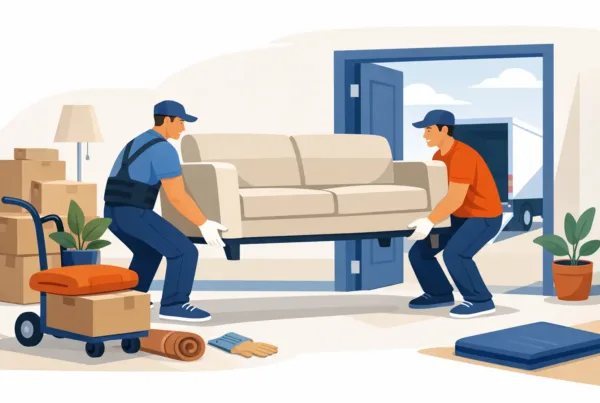



The problem with most moves is not the heavy sofa or the packed kitchen. It is the last-minute confusion. Keys go missing, boxes are unlabeled, the wrong truck gets booked, and moving day turns into a long, expensive headache. A good home shifting planning guide helps you avoid that situation by turning the move into a clear sequence of decisions.
If you are moving an apartment, villa, or staff accommodation, planning matters more than people expect. The right timeline, truck size, packing method, and loading support can save hours of labor and reduce the risk of damage. For families and working professionals, that means less stress. For companies arranging employee relocation, it means better control and fewer delays.
Why a home shifting planning guide matters
Home shifting is not only about transport. It is about coordination. You are managing furniture, appliances, fragile items, building access, parking space, utility timing, and people who all need to be ready at the same time. If one part is missed, everything slows down.
That is why planning should start with volume and access, not with boxes. A studio move and a full villa move need very different support. The same is true if your building has a service elevator, a narrow entrance, or restricted loading hours. These details affect the truck you need, how many helpers are required, and how long the job will take.
Many customers focus only on price at the start. Cost matters, of course, but the cheapest option is not always the best value. If a truck is too small, you may need a second trip. If loading takes longer than expected because there was no proper plan, your day becomes more expensive anyway.
Start with a moving timeline
The most reliable moves begin at least one to two weeks before the shifting date. If you are relocating from a larger home, starting earlier is even better. The first step is choosing the moving day and confirming building rules at both locations. Some properties allow moving only during specific hours, and some require prior permission for service elevator use.
Once the date is fixed, estimate what actually needs to move. This sounds simple, but it is where many delays begin. People often include old furniture they no longer want or forget to account for storage cabinets, outdoor items, and loose household equipment. A room-by-room review gives a more realistic picture.
Then book your transport early. This is especially important on weekends, month-end dates, and public holidays when demand is higher. A planned booking gives you more flexibility in truck size and timing, and it reduces the chance of rushed decisions.
Choose the right truck for the move
Truck size has a direct impact on cost, speed, and safety. Small home moves often work well with a 1 ton pickup if the load is limited to light furniture, cartons, and household items. For medium-sized apartment shifting, a 3 ton or 5 ton truck may be a better fit. Larger homes or moves with bulky furniture usually need more space and a stronger loading setup.
The best choice depends on both volume and item type. A home with fewer boxes but several large wardrobes, beds, and appliances may need more capacity than expected. On the other hand, a neatly packed apartment with compact furniture may fit into a smaller vehicle.
Closed trucks are useful when you want extra protection for furniture, cartons, and electronics. Open trucks may be suitable for certain types of loads, but household items generally benefit from better enclosure and careful arrangement. If heavy appliances or oversized furniture are involved, loading support becomes just as important as truck size.
Packing is where time is won or lost
A lot of moving-day stress comes from poor packing, not transport. When boxes are overloaded, unlabeled, or mixed without logic, unloading takes much longer. Fragile items are more likely to break, and important items become difficult to find after arrival.
Start with things you do not use daily. Seasonal clothes, decoration, extra kitchenware, books, and stored household items can be packed early. Leave essential daily-use items for the final stage. This keeps your home workable while still reducing the last-minute rush.
Use clear labels by room and item type. Writing only “kitchen” on ten boxes does not help much. A better label is “Kitchen – plates and glassware” or “Bedroom – linens and side table items.” That small effort saves time at the destination because boxes can be placed correctly from the start.
Fragile items should be wrapped properly and packed with empty space minimized. Loose movement inside a box is what often causes breakage. Electronics should be secured carefully, and cables should be tied and marked so setup is easier later.
Plan access, labor, and timing together
A strong home shifting planning guide always includes access planning. This is one of the most overlooked parts of moving. If the truck cannot park close enough, or if the service elevator is not available, a simple move can become slow and physically demanding.
Check parking access at both locations. Confirm whether the truck can stop near the entrance and whether any gate or security approval is needed. If you live in a busy residential area or tower, timing matters. Early planning can avoid waiting time and confusion with building management.
Labor should match the scope of the move. A few cartons and light furniture may only need transport support, but a full household shift usually needs trained helpers for lifting, arranging, and unloading. This is not just about speed. It is about reducing the chance of damage to furniture, walls, elevators, and floors.
There is also a trade-off between doing more yourself and hiring full support. Self-packing can reduce cost, but it often increases physical strain and adds risk if items are not packed correctly. For some customers, especially families with children or professionals moving on a workday, paying for extra support is the more practical choice.
What to prepare for moving day
The day before the move, keep one small essentials bag separate. Include chargers, basic toiletries, medicine, documents, keys, wallet items, and a change of clothes. Do not load this into the truck with general household cartons. You will want immediate access to it.
Defrost the refrigerator in advance if it is being moved. Disconnect appliances safely and secure removable parts. Curtains, wall decor, and loose shelf items should be taken down before the truck arrives. These small tasks make loading faster and reduce the chance of damage during handling.
On the day itself, one person should stay available to guide the process. That person can answer questions about what goes first, what stays behind, and where items should go at the new location. Too many decision-makers often slows the job.
It also helps to load in a planned order. Heavy furniture and appliances usually go first so they can be secured properly. Lighter boxes and fragile items should be positioned with care, not pushed in wherever space appears. A professional team understands this balance, which is one reason organized moves finish more smoothly.
After arrival, do not unpack everything at once
Once the truck reaches the new home, speed should not replace organization. Boxes need to go into the right rooms first. Large furniture should be positioned before smaller items fill the space. If this step is rushed, you may end up moving the same furniture twice.
Begin with essentials. Set up beds, basic kitchen items, bathroom supplies, and important electronics. After that, unpack room by room. This approach is more manageable than opening every carton at the same time.
Check major items as they come off the truck. If there is any issue, it is easier to identify it immediately than after everything is mixed into the new home. Careful unloading is part of a good move, not just careful transport.
When professional transport makes the biggest difference
Some moves are simple enough to manage with light support. Others clearly benefit from experienced transport and handling. If you are shifting from a larger apartment, moving bulky furniture, dealing with restricted building access, or working on a tight timeline, professional truck rental with driver support can save a lot of trouble.
This is especially true in busy Abu Dhabi areas where timing, access, and parking can affect the entire move. A reliable team with the right vehicle size can keep the work moving without wasted trips or unnecessary delays. Fast Movers General Transport LLC SPC supports home shifting needs with practical truck options, experienced drivers, and 24/7 availability for customers who need a dependable moving solution.
A move always has a few surprises. The goal is not to make it perfect. The goal is to make it controlled, safe, and manageable so you can settle into the new place without starting off exhausted.