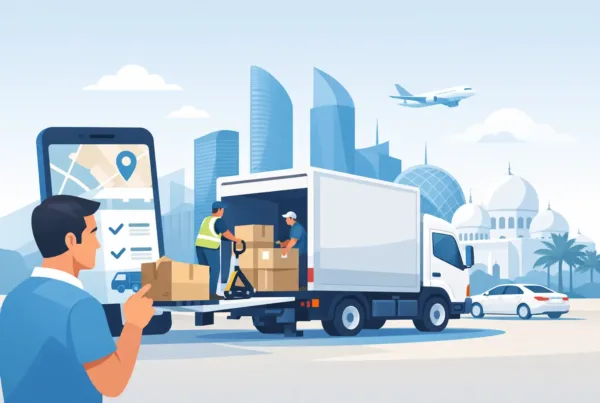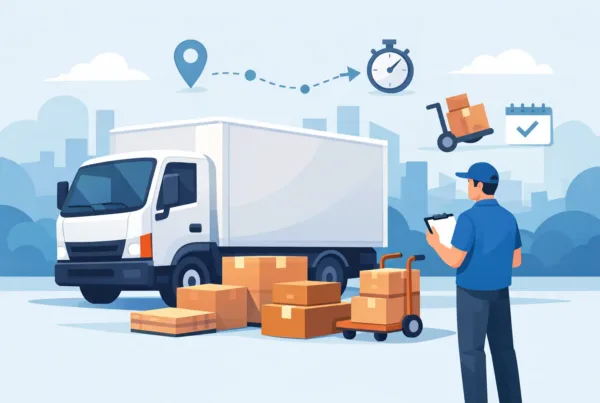

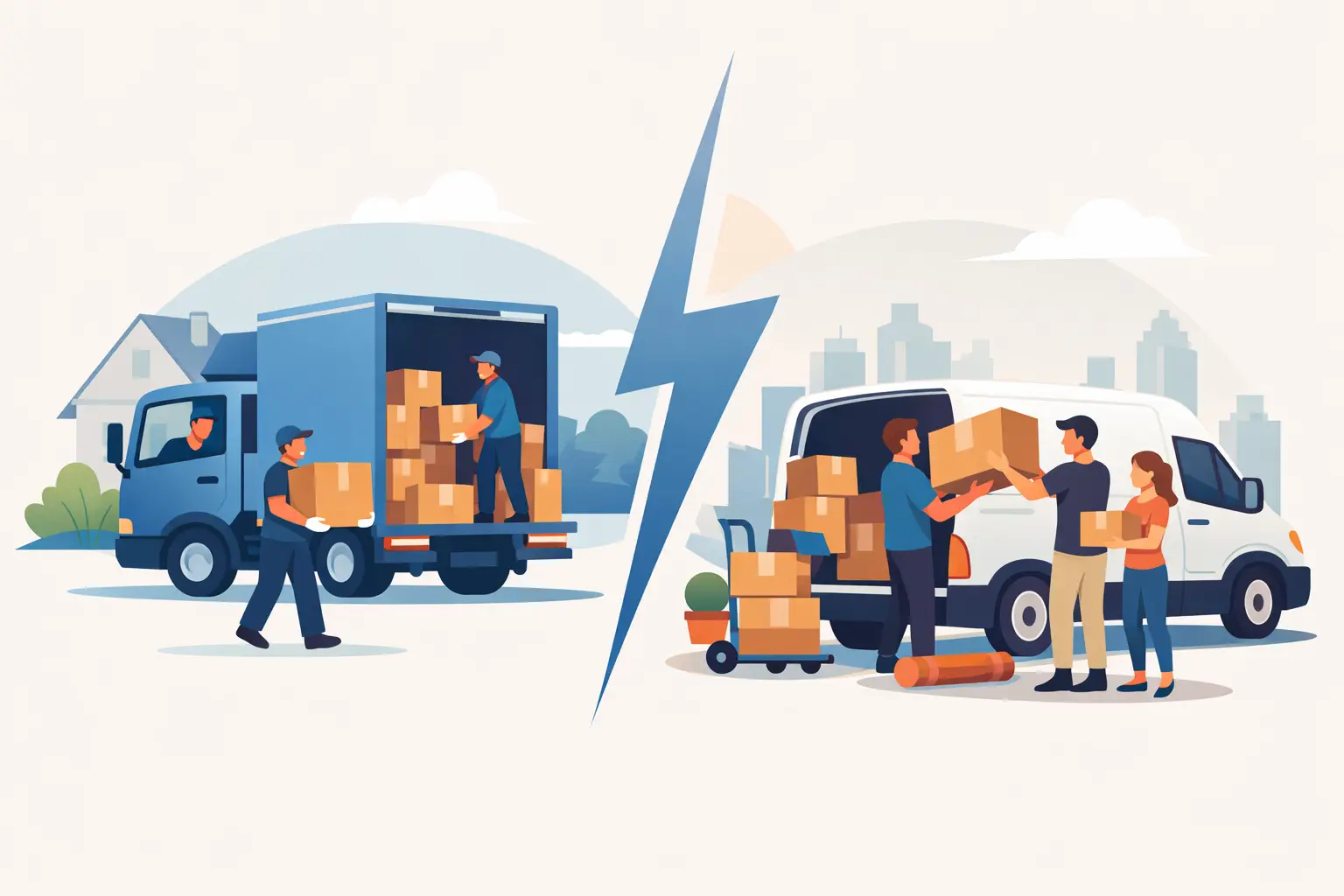
A move can go off schedule before the first box is loaded. The elevator may have a booking window, the furniture may be heavier than expected, or a jobsite delivery may need to arrive at a precise time. When choosing driver supported moving vs self move, the real question is not simply who drives. It is how much responsibility, time, and risk your move can reasonably carry.
For a studio apartment, office furniture shift, retail stock transfer, or construction material run, both options can work. The better choice depends on the truck size, loading conditions, distance, and the people available to handle the job.
What driver-supported moving means
Driver-supported moving means you rent a pickup truck or larger transport vehicle with an experienced driver. You arrange the items, confirm the pickup and destination, and the driver operates the vehicle and supports the transport process according to the agreed service scope.
This option is especially useful when you need a 1-ton pickup for furniture, a 3-ton or 5-ton truck for commercial goods, or a larger vehicle for equipment and materials. You do not need to locate a driver, understand truck operating requirements, plan an unfamiliar route, or worry about maneuvering a loaded vehicle through busy roads, industrial yards, or restricted delivery areas.
Driver support does not automatically mean a full packing and moving crew. If you need labor for loading, unloading, dismantling furniture, or packing fragile items, discuss those needs before booking. Clear instructions avoid delays and help ensure the correct people, vehicle, and equipment are arranged.
What a self move involves
A self move means you take primary control of the moving job. Depending on the rental arrangement, you may drive the vehicle yourself or organize your own driver and loading team. You decide the route, loading sequence, timing, and handling process.
For people with suitable driving experience, a small load, and enough time, self moving can provide flexibility. You can make several stops, work at your own pace, and keep the vehicle available while you sort items at each location.
The trade-off is that the customer takes on more of the planning. That includes checking vehicle access, securing the load, arranging helpers, managing fuel and timing, and making sure the driver is legally qualified for the vehicle type. A self move can look less expensive at first, but delays, extra trips, damage, or an incorrectly sized truck can quickly add cost.
Driver-supported moving vs self move: the practical differences
The difference becomes clearer when you look at the work around the drive itself. Moving is a chain of decisions: selecting the truck, loading safely, reaching the destination on time, and unloading without damaging goods or property.
| Factor | Driver-supported moving | Self move | | — | — | — | | Vehicle operation | Handled by an experienced driver | Handled by you or your arranged driver | | Time and effort | Less coordination for the customer | More hands-on planning and execution | | Route and access | Driver experience helps with local roads and sites | You manage routes, parking, and access | | Best for | Urgent moves, business loads, heavy items, unfamiliar areas | Small planned moves with capable drivers and helpers | | Cost control | Clearer when transport expertise prevents delays | Can suit simple jobs, but extra time and trips may increase cost |
For most home moves, the biggest advantage of a driver-supported truck is reduced pressure. You can focus on preparing your belongings, coordinating building access, and directing the loading team while a professional handles the vehicle.
For business users, the value is often operational continuity. An event coordinator may need equipment delivered to a venue at a fixed time. A project manager may need materials moved between a warehouse and jobsite. In these situations, a delayed vehicle or a driver who is unfamiliar with commercial access points can affect the entire schedule.
When driver-supported moving is the better choice
Choose a driver-supported option when the load is heavy, the vehicle is larger than you normally drive, or the move must happen on a tight schedule. It is also a smart choice when you are moving through busy Abu Dhabi areas, industrial zones, apartment towers, or sites with limited loading access.
This service is particularly practical for office moves, furniture transport, shop fittings, event equipment, machinery, construction supplies, and bulk materials. A driver who works regularly with pickups, flatbeds, tail lifts, and crane Hi-Up trucks understands how different loads affect handling and positioning.
Safety matters even more when the truck carries uneven, tall, or heavy items. Improper weight distribution can make a vehicle difficult to control. Loose furniture, equipment, or materials can shift during braking and turns. Professional transport support helps reduce these avoidable problems, provided the load details are shared accurately before dispatch.
It can also be the better-value choice for one-way moves. If you are relocating from one apartment to another or sending goods from a store to a customer site, you may not need the inconvenience of returning a rental vehicle yourself. The driver-supported model keeps the job focused on the move rather than the vehicle return process.
When a self move can make sense
A self move can be suitable if you have a straightforward load, a qualified driver, and reliable helpers. For example, you may be moving a few boxes, light tools, or small items between locations with easy parking and no strict deadline. If you know the vehicle, route, and loading requirements, managing the move yourself may be practical.
It may also work when you need the vehicle for multiple nearby tasks over several hours or days. Still, calculate the full commitment before deciding. Include pickup and return time, fuel, deposits where applicable, parking, loading help, and the risk of needing a second trip because the selected truck is too small.
Self moving is less suitable for fragile furniture, oversized equipment, large commercial loads, or time-sensitive deliveries. It is also not the best choice when your team is already busy with installation, inventory, or site work. Saving on transport can become expensive if your core staff lose a working day handling a move.
Choosing the right truck for the job
Truck size affects both cost and safety. A vehicle that is too small can require multiple trips. One that is much too large may be harder to position at a residential building or narrow loading point. Share the approximate number of items, dimensions of large pieces, total weight if known, and whether there are stairs, lifts, ramps, or site restrictions.
A 1-ton pickup can suit small furniture moves, appliances, cartons, and light business stock. Three-ton and 5-ton trucks are often a stronger fit for office furniture, larger household moves, workshop materials, and commercial goods. For heavier equipment, steel, industrial materials, or larger project requirements, a 7-ton or 10-ton truck, flatbed, tail lift, or crane Hi-Up option may be needed.
The body type matters too. Open pickups are useful for items that are easy to load and secure. Closed trucks offer more protection for furniture, cartons, and sensitive equipment. Tail lift trucks help with heavy items that cannot be safely lifted by hand. The right recommendation comes from understanding the load, not simply choosing the biggest truck available.
Questions to answer before you book
Before confirming either option, be ready to explain what is moving, where it is going, and when it must arrive. Tell the rental provider about unusually heavy pieces, fragile items, loading dock requirements, floor level, gate passes, and any waiting time expected at the destination.
Ask what is included in the quoted service. Confirm the truck type, driver availability, expected booking period, loading support if required, and any equipment needed for safe handling. For commercial or industrial jobs, make sure the vehicle is appropriate for the site and that your team has completed any required access arrangements.
Fast Movers General Transport LLC SPC provides driver-operated pickup and truck rentals from 1 to 10 tons, including open, closed, tail lift, flatbed, and crane Hi-Up vehicles. With 24/7 availability across Abu Dhabi, the service is designed for customers who need reliable transport support without the burden of operating a commercial vehicle themselves.
The best moving choice is the one that protects your schedule, your goods, and your team. If the job involves heavy loads, a larger truck, unfamiliar roads, or a fixed deadline, driver support gives you practical control where it matters most: a safe, dependable move from pickup to destination.