

A plastic factory cannot afford to stop because pallets are waiting at the loading bay, a mold has to reach another facility, or production materials have not arrived on time. Plastic factory trucks give manufacturers the extra transport capacity needed to keep work moving without the cost and responsibility of maintaining a large in-house fleet.
For factories in Abu Dhabi’s industrial areas, the right vehicle is not simply a truck with space. It must match the load, access the site safely, arrive when scheduled, and come with an experienced driver who understands commercial transport work. Whether the requirement is a one-time movement or ongoing daily support, flexible truck rental can make production planning far easier.
Why Plastic Factories Need Flexible Truck Support
Plastic manufacturing involves more than moving finished products. A typical factory may need transport for resin bags, granules, packaging rolls, pallets, crates, molds, dies, machinery parts, display materials, and finished plastic items. These loads differ greatly in size, weight, and handling requirements.
Production schedules can also change quickly. A customer may request an urgent delivery, a supplier may arrive with additional materials, or a machine may need a replacement part the same day. Owning enough vehicles to cover every possible situation can leave trucks sitting unused during quieter periods. Renting a truck with a driver allows the factory to add capacity only when it is required.
This is especially useful for factories operating in Musaffah, ICAD, KIZAD, and other busy industrial zones. Loading areas may have limited access, site rules may apply, and timing matters when multiple vehicles are arriving at the same facility. A professional transport team helps reduce delays at the gate and loading bay.
Choosing the Right Plastic Factory Truck
The best truck depends on the material, the quantity, the loading method, and the destination. Selecting a vehicle that is too small can create repeat trips and unnecessary delays. Selecting one that is too large may increase cost or make access difficult at a warehouse, workshop, retail location, or event site.
1-ton pickups for light and urgent loads
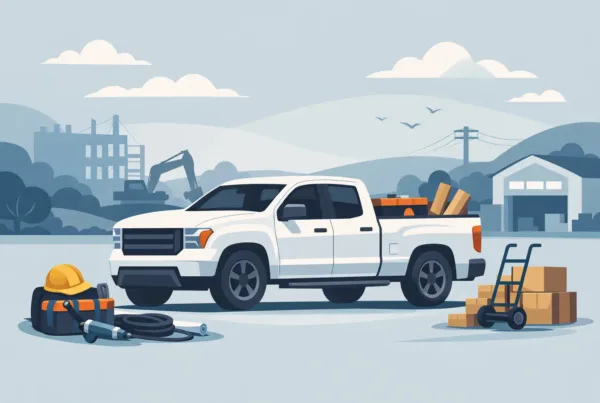
A 1-ton pickup is often suitable for small but urgent factory movements. It can carry samples, cartons, light tools, replacement machine parts, small packaging orders, and limited quantities of boxed plastic products. These pickups are practical when quick access and fast response are more valuable than high load volume.
For example, a factory may use a 1-ton pickup to move test products to a client, deliver essential supplies between branches, or collect small items from a supplier. It is also a practical option for short movements where a larger vehicle would not be economical.
3-ton and 5-ton trucks for daily factory loads
For regular production support, 3-ton and 5-ton trucks are usually the most versatile options. They can handle palletized packaging, resin materials, stacked cartons, plastic pipes, molded products, and equipment needed for factory operations. They are a good choice when the load is substantial but does not require a heavy-duty truck.
An open truck works well for durable, weather-tolerant materials that can be properly secured. A closed truck is better for cartons, finished goods, or products that need protection from dust, heat, and road exposure. The choice should be based on the condition of the goods, not only the available weight capacity.
7-ton and 10-ton trucks for larger requirements
Larger loads require more planning. A 7-ton or 10-ton truck can support bulk movements of raw materials, full production batches, heavy molds, machinery components, and high-volume finished goods. These vehicles are valuable when a factory wants to reduce the number of trips and keep a major dispatch schedule on track.
However, capacity is only one part of the decision. The factory should confirm loading space, forklift availability, site entry restrictions, and whether the delivery point can receive a larger truck. Good planning prevents a vehicle from arriving with the right capacity but no safe way to load or unload.
Tail lift and crane hi-up trucks for special handling
Not every plastic factory has a forklift available at both locations. A tail lift truck can make loading and unloading more practical for heavy cartons, small pallets, and equipment that cannot be lifted by hand safely. It is useful for deliveries to locations with no loading dock.
A crane hi-up truck may be the better option for heavy molds, machinery, industrial equipment, or awkward loads that require lifting support. This service should be arranged with accurate weight and dimension details. Guessing the load weight can affect safety, vehicle selection, and site planning.
Protecting Plastic Materials During Transport
Plastic products may be durable, but they are not automatically protected from damage. Finished goods can be scratched, crushed, bent, or contaminated if they are poorly packed or loaded without care. Packaging films and lightweight molded products can shift easily if they are not secured correctly.
Before dispatch, the load should be counted, stacked properly, and prepared for transport. Pallets should be stable, cartons should not overhang, and fragile products should be separated from heavy items. The driver needs clear instructions about the pickup point, delivery point, contact person, and any site safety requirements.
Heat can also be a consideration in the UAE. Certain materials, adhesives, films, and finished products may need protection from direct sun and prolonged outdoor waiting. A closed truck may be the better choice for sensitive loads, while an open truck can remain a cost-effective solution for protected industrial materials. It depends on what is being moved and how long the journey or waiting time is expected to be.
Rental Plans That Match Factory Operations
A single truck trip is helpful for urgent jobs, but many factories benefit from a more regular arrangement. Daily rental works well for busy production days, large dispatches, or planned material movement. Weekly rental can support short-term projects, seasonal demand, equipment installation, or warehouse reorganization.
Monthly truck rental is often the strongest value for factories with predictable transport needs. It provides dependable vehicle access without the expenses that come with ownership, such as fleet management, driver hiring, maintenance scheduling, and vehicle downtime. For operations managers, it also makes budgeting easier because transport support can be planned around production requirements.
The correct rental plan should reflect actual usage. A factory with two urgent movements each week may not need a dedicated full-time truck. A facility that moves pallets every day may lose time and money by booking separate trips continuously. Reviewing load frequency, average weight, destinations, and peak periods will show which option makes practical sense.
What to Confirm Before Booking
Clear information helps the transport team send the right truck the first time. Share the type of material, estimated weight, number of pallets or cartons, dimensions of oversized items, pickup and delivery locations, and preferred timing. If the site has security procedures, restricted access, or a specific loading entrance, mention this when booking.
It is also wise to discuss whether loading labor, a tail lift, or lifting equipment is needed. A truck can arrive on time and still face delays if the load cannot be handled safely. The more accurate the job details, the smoother the movement will be.
Fast Movers General Transport LLC SPC provides 1-ton to 10-ton pickup truck rentals, including open, closed, tail lift, and crane hi-up truck options with experienced drivers available 24/7 across Abu Dhabi. This gives plastic factories a practical way to respond to routine transport needs and unexpected operational demands.
Keep Production Moving Without Owning More Trucks
Reliable transport is part of production continuity. When materials, molds, packaging, or finished goods need to move, the goal is simple: use the right vehicle, protect the load, and complete the job without disrupting the factory schedule.
Before the next dispatch becomes urgent, keep a record of your usual load sizes and handling needs. With that information ready, booking the right truck becomes faster, safer, and far more cost-effective.