


A delayed delivery can slow down a whole job site, hold up an event setup, or leave a shop floor waiting on stock. That is why choosing the right commercial goods transport service matters more than most people expect. It is not just about finding a truck. It is about getting the right vehicle, the right driver, and the right response time for the work in front of you.
For many businesses and households, transport needs do not stay the same from one week to the next. One day you may need a 1 ton pickup for small equipment. The next, you may need a 5 ton or 10 ton truck to move heavy materials, event items, furniture, or project cargo between sites. Owning vehicles for every situation is expensive. Hiring a flexible transport partner is often the smarter move.
What a commercial goods transport service should actually provide
A dependable service should do more than send any available truck to your location. It should match vehicle size to load type, schedule pickup and delivery around your timing, and give you confidence that your goods will arrive safely. If the job involves industrial materials, retail stock, office equipment, exhibition items, or construction supplies, the handling needs to reflect that.
This is where experience makes a real difference. A professional driver understands access points, loading limits, traffic patterns, and site rules. That saves time and reduces problems. If your pickup point is in an industrial area, a busy mall loading dock, a residential building, or a public event venue, the transport plan has to fit the location.
Good service is also about availability. Transport requests are not always planned a week in advance. Sometimes a supplier calls late. Sometimes a contractor needs extra capacity the same day. Sometimes a family moving home realizes the original vehicle is too small. A provider that can respond quickly has real value.
Why businesses choose transport rental instead of ownership
For many companies, vehicle ownership sounds practical until the full cost shows up. Buying trucks means capital cost, maintenance, registration, insurance, driver management, downtime, and replacement planning. If demand rises and falls, those costs stay with you even when the truck is parked.
A commercial goods transport service gives you flexibility. You use the capacity you need, when you need it. That can be daily, weekly, or monthly. For project managers, logistics teams, retailers, and event coordinators, that flexibility helps control budget and keeps operations moving without adding fleet headaches.
It also helps with scaling. If one project needs a 3 ton truck this week and another needs a flatbed or tail lift truck next week, rental support makes that adjustment easy. You are not forcing one vehicle to do every job. You are choosing the right tool for the task.
Matching the truck to the job
This is where many transport decisions go wrong. People often book based on price alone, then discover the truck is too small, not suitable for the load, or difficult to unload at the destination. A better approach is to look at the actual goods, loading method, route, and timing.
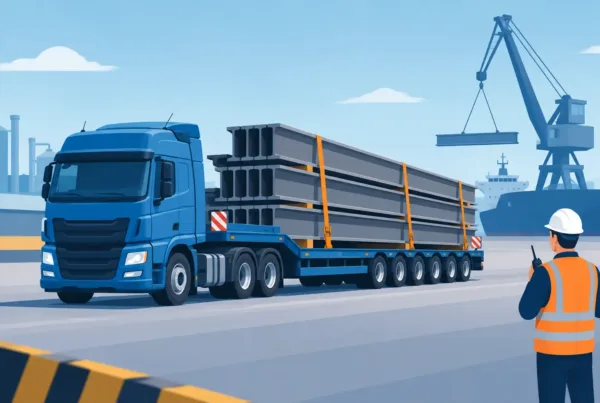
A 1 ton pickup is often ideal for light commercial deliveries, furniture pieces, tools, packed items, and small business stock movement. A 3 ton or 5 ton truck suits larger office shifting, equipment transport, and medium-volume goods. A 7 ton or 10 ton truck is better for heavier materials, site supply work, and bulk transport. If loading equipment is needed, a tail lift can save labor and time. If oversized materials are involved, a flatbed may be the better fit. If lifting is part of the job, a crane hi-up truck may be necessary.
The point is simple. The cheapest truck is not always the most cost-effective truck. If the load has to be split into two trips, if labor time increases, or if items are damaged because the vehicle was wrong for the job, the original savings disappear fast.
Commercial goods transport service for urgent and planned work
Some transport jobs are scheduled and straightforward. Others are urgent and change by the hour. A strong provider should be able to handle both.
Planned transport usually means better coordination. You can share load details, access restrictions, preferred timing, and any special handling needs in advance. This works well for office moves, retail deliveries, event setup, construction support, and recurring supply runs.
Urgent transport is different. Speed matters, but so does judgment. If a truck is dispatched quickly without checking the details, delays can still happen at pickup or delivery. The best response is fast and organized. That means confirming the load, sending the right vehicle, and making sure the driver is prepared before arrival.
For customers in Abu Dhabi, this matters even more when work is spread across industrial areas, residential communities, malls, event grounds, and port-related zones. The route and vehicle type can affect everything from arrival time to unloading access.
Safety, handling, and reliability are not extras
Customers often focus first on truck size and rate. Those matter, but reliability is what protects the job. Goods that arrive late, damaged, or incomplete can create a chain of problems. A missed delivery can disrupt labor schedules, setup windows, tenant handover, store operations, or site progress.
That is why safety and handling should be part of the decision from the start. Professional transport service means drivers who know how to secure loads, manage weight properly, and handle goods with care. It also means vehicles that are maintained and ready for work. Breakdowns and poor loading practices cost more than most customers expect.
Reliability also shows in communication. If pickup is delayed, customers need clear updates. If access at the drop-off point changes, the transport team needs to adapt. Straight answers and quick coordination build trust, especially for businesses working on tight schedules.
Who benefits most from flexible transport support
The obvious users are logistics teams and contractors, but the demand is much wider than that. Event companies often need timed transport for staging, display materials, sound equipment, and furniture. Retailers need stock movement and store deliveries. Construction firms need steady movement of materials and tools. Oil field and industrial operations may need reliable support for equipment and site goods.
There is also strong demand from offices and households. A company shifting departments, replacing furniture, or moving stored items may not need a permanent fleet. A family relocating to a new apartment or villa often needs a practical truck with a driver rather than a complicated moving setup. In both cases, the customer wants a service that is fast, careful, and easy to book.
That is why many customers prefer a provider that can support both business and personal transport needs with the same professional standard.
What to ask before you book
Before confirming any job, it helps to ask a few direct questions. Is the truck size right for the load? Does the vehicle type match the goods? Is a driver included? Are loading and unloading support available if needed? Can the service handle same-day or after-hours requests? These details affect the final result more than a basic quote does.
You should also be clear about the pickup point, delivery point, item type, floor access, and any special site conditions. A short conversation upfront can prevent wasted time later. Good transport companies appreciate clear details because it helps them assign the right vehicle from the beginning.
Fast Movers General Transport LLC SPC pickup truck rental is one example of the kind of service businesses look for when they need flexible truck rental with drivers, multiple truck sizes, and 24/7 support for commercial and day-to-day transport work across Abu Dhabi.
The best transport service is the one that keeps work moving
A commercial goods transport service should make your day easier, not more complicated. It should give you options, respond quickly, and handle your goods with care. Whether you are moving stock, site materials, office equipment, event items, or household goods, the real value is in getting the right truck at the right time without delays or confusion.
If your transport needs change often, flexibility matters. If your schedule is tight, reliability matters even more. And if the job cannot wait, a responsive team with the right vehicle can make all the difference. The smartest choice is usually the service that understands the job, shows up ready, and helps you keep everything on track.