A last-minute office move, event setup, or factory delivery can go wrong when the truck does not match the load. The choice between open truck versus enclosed transport affects loading time, weather protection, vehicle access, security, and cost. There is no single right answer. The best option depends on what you are moving, where it is going, and how quickly the job needs to be completed.
For many Abu Dhabi jobs, an open pickup truck is the practical choice because it is fast to load and can handle awkward, oversized, or heavy materials. An enclosed truck is often better when goods need protection from dust, sun, moisture, or unwanted access during transport. Knowing the difference before booking helps prevent delays, damage, and unnecessary extra trips.
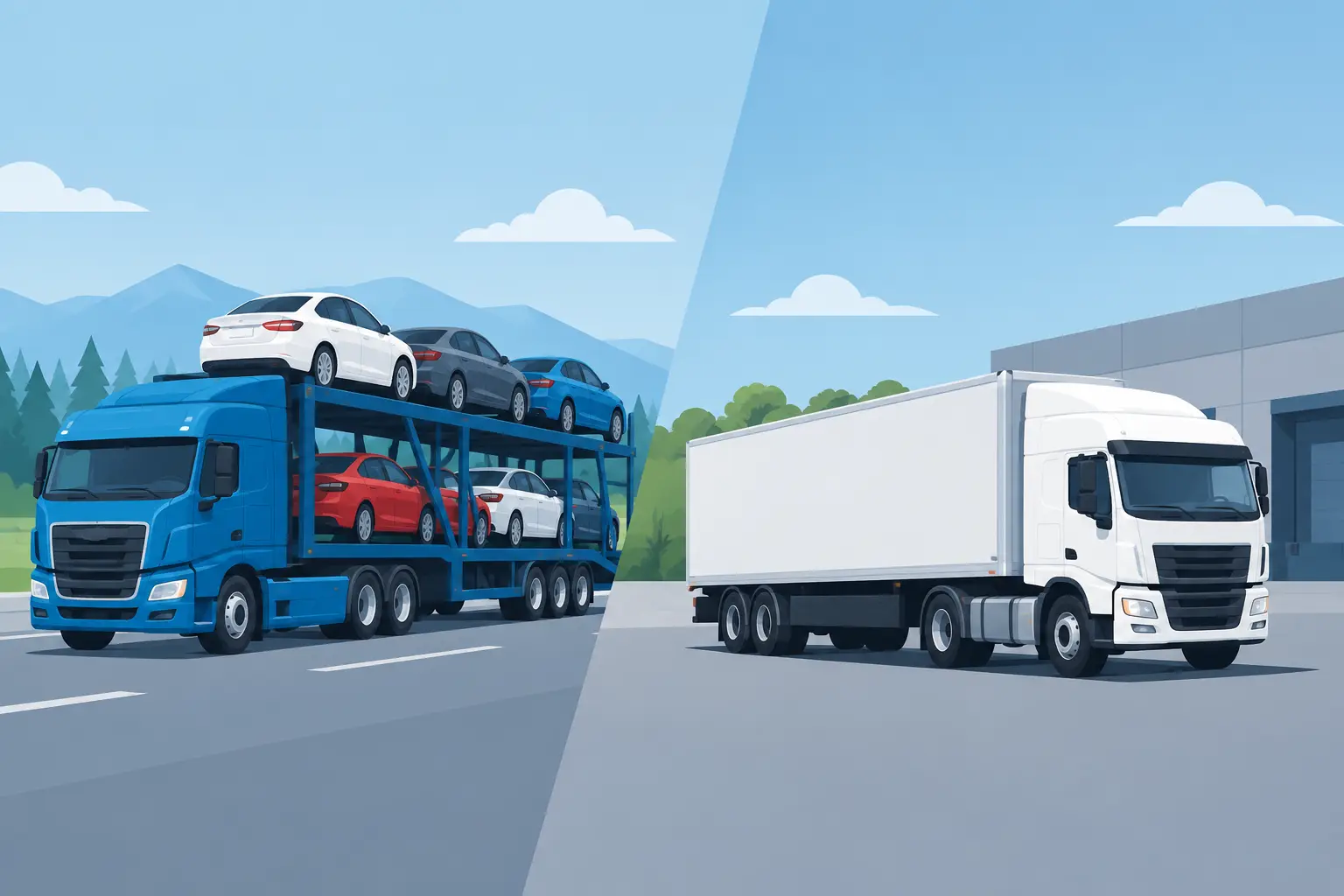
Open Truck Versus Enclosed Transport: The Main Difference
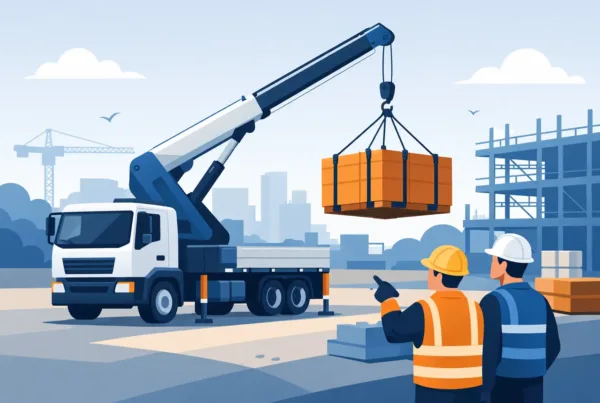
An open truck has an uncovered cargo bed or flatbed area. It gives the driver and loading team easy access from the sides and rear, making it ideal for items that cannot fit through a small rear door. Open 1-ton, 3-ton, 5-ton, 7-ton, and 10-ton trucks are commonly used for construction materials, machinery, steel, pallets, event equipment, and large furniture.
An enclosed truck has a covered cargo body, often called a closed truck or box truck. The enclosed space protects goods from road dust, heat, light rain, and outside visibility. It is a strong choice for cartons, electronics, office items, exhibition materials, retail stock, household belongings, and other items that should remain covered from pickup through delivery.
The difference is not simply open versus closed. It is about how your goods will be handled at both locations. A load that is easy to place on an open flatbed may take longer to maneuver inside an enclosed body. On the other hand, a load that needs clean, protected transport may not be suitable for an open truck, even if it is easier to load.
When an Open Truck Is the Better Choice
Open trucks are built for access and flexibility. A forklift can load pallets from the side, a crane can place heavy materials onto the bed, and longer items can be positioned without being limited by a roof height. This makes them especially useful at construction sites, industrial yards, warehouses, and fabrication facilities in areas such as Musaffah, ICAD, KIZAD, and Khalifa Port.
An open truck is usually the better option when you are moving building materials, pipes, scaffolding, steel sections, generators, equipment, large machinery, or bulky furniture. It can also be very effective for event work. Stages, barriers, tents, lighting stands, display structures, and large props are often easier to load onto an open vehicle than into a closed cargo body.
For home and office moves, an open pickup can work well for sturdy items such as tables, wardrobes, bed frames, appliances, and packed furniture. The load must be secured carefully with suitable straps and covering material where needed. Professional loading matters because an open bed gives more exposure to wind movement and road vibration.
Open transport may also reduce loading and unloading time. When a team can access the cargo from several sides, there is less need to rearrange items inside a narrow body. This can be valuable for projects with strict delivery windows or multiple stops.
Open Truck Limitations to Consider
The main concern is exposure. Goods may be affected by dust, heat, wind, or unexpected weather conditions. Delicate items, loose paperwork, unsealed cartons, sensitive electrical equipment, and finished interior products need extra protection or a different vehicle type.
Security is another consideration. While cargo can be secured and covered, it remains more visible than it would be inside a closed vehicle. If the truck needs to wait at a site or make several stops, an enclosed option may provide better peace of mind.
When Enclosed Transport Makes More Sense
Enclosed transport is designed for loads that need to arrive clean, private, and protected. For families moving within Abu Dhabi, a closed truck can be a sensible choice for boxed household items, clothing, mattresses, small appliances, electronics, and personal belongings. It keeps the load shielded from dust while the vehicle travels between buildings, villas, apartments, and storage locations.
Businesses often choose enclosed trucks for office relocations. Computers, monitors, files, office chairs, partitions, and packaged supplies are easier to protect in a covered cargo area. Retail businesses can also benefit when moving boxed inventory, displays, fixtures, or goods that should not be visible during the journey.
Enclosed trucks are useful for exhibitions and hospitality work as well. Printed panels, branded materials, decorative items, fabric displays, and boxed equipment can lose value quickly if they arrive dusty or damaged. A covered body gives an extra layer of protection when traveling to venues such as ADNEC or public event locations.
Enclosed Truck Limitations to Consider
A closed body has fixed walls, a roof, and limited entry points. That protection comes with loading restrictions. Very tall, wide, or unusually shaped items may not fit, even when the truck has enough weight capacity. Loading may also take longer because the team usually works through rear doors or a side opening.
For heavy pallets and equipment, confirm whether the pickup and delivery locations have a forklift, loading bay, ramp, or suitable access. A tail lift truck can be the right solution for goods that need to be raised safely from ground level, particularly when no dock is available.
Choose by Load Type, Not Only by Truck Size
A common mistake is to select a vehicle only by tonnage. Truck capacity matters, but the size, shape, fragility, and handling method of the load matter just as much. A 3-ton open pickup may be more useful than a larger enclosed vehicle for long metal sections. A smaller closed truck may be safer for a limited number of valuable cartons or office electronics.
Before arranging transport, consider the total weight, number of pieces, longest item, widest item, and whether the goods can be stacked. Also think about how the cargo will be loaded. If forklifts, cranes, or side access are required, an open truck or crane hi-up truck may be more suitable. If the goods need a protected environment and can be loaded through doors, enclosed transport is often the better fit.
For mixed loads, the decision may depend on the most sensitive item. If the truck carries construction material along with packaged electrical equipment, separating the load or using a covered truck can help avoid damage. Saving money on the wrong vehicle can become expensive when goods need to be repacked, cleaned, repaired, or transported again.
Safety and Secure Loading Are Part of the Decision
Whether you choose open or enclosed transport, safe loading is essential. Weight should be distributed evenly, heavier goods should be placed low and secure, and loose items should never be left to shift during travel. Open trucks require appropriate straps, edge protection, and load covering when needed. Enclosed trucks still need securing inside the body because a closed door does not stop cargo from moving.
Access conditions should be checked in advance. A low parking entrance, narrow service road, restricted delivery time, uneven site surface, or lack of loading equipment can affect the vehicle choice. Clear job details allow the transport team to send a truck that can reach the location and complete the work without avoidable delays.
Fast Movers General Transport LLC SPC provides open, closed, tail lift, and crane hi-up truck rental options from 1 to 10 tons with experienced drivers available 24/7. This gives customers a practical choice for urgent residential moves, office shifting, industrial deliveries, events, and project transport across Abu Dhabi.
Get the Right Truck for the Job
The fastest way to choose is to share clear load details before booking: what the items are, approximate weight, dimensions, pickup and delivery locations, floor or access requirements, and the required timing. Photos can also help identify whether open access, an enclosed body, a tail lift, or crane support is needed.
A well-matched truck protects your schedule as much as it protects your goods. If the load is large, heavy, awkward, or built for site handling, open transport may be the efficient choice. If it is sensitive, boxed, private, or vulnerable to dust and weather, enclosed transport is worth the added protection. Book the vehicle that fits the work, and the move becomes easier from the first load to the final delivery.