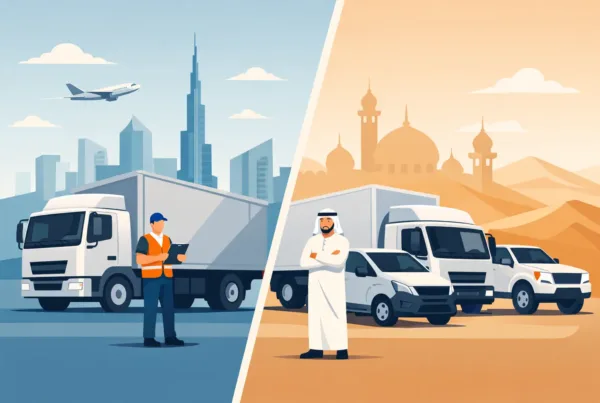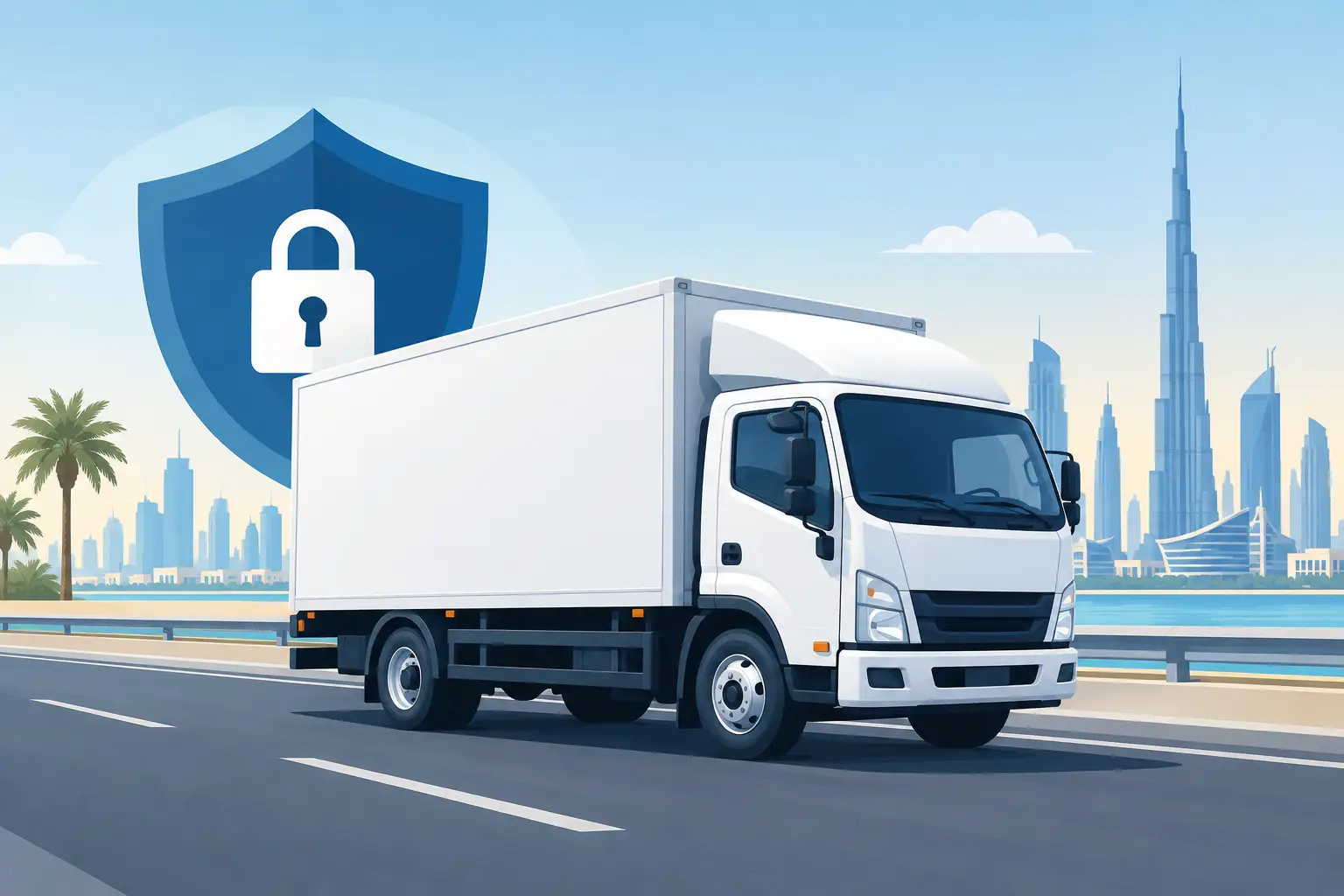
A sofa wrapped in plastic, boxed office equipment, event displays, electrical materials, or finished products can look secure when loaded. But an open pickup leaves those items exposed to heat, road dust, wind, unexpected rain, and public view. That is the practical answer to why use closed trucks: they add a protected transport space when the condition of your goods matters from pickup to delivery.
For a home move, a closed truck helps keep furniture and cartons clean. For a business, it provides more control over valuable stock, documents, tools, branded materials, and sensitive equipment. In Abu Dhabi, where transport may involve busy city roads, industrial areas, construction sites, and long routes between locations, that protection can prevent avoidable delays and replacement costs.
Why Use Closed Trucks for Protected Deliveries?
A closed truck has an enclosed cargo body rather than an open bed. The walls and roof create a barrier around the load, reducing exposure to the outside environment. This sounds simple, but it makes a major difference when transporting goods that should not be visible, wet, dusty, or loose during the journey.
Open pickups are useful for many jobs. They are practical for oversized machinery, steel, construction waste, and materials that need crane loading from above. However, they are not always the right choice for packaged, finished, delicate, or high-value items. If your load is better protected inside a covered compartment, a closed truck is usually the safer option.
Protection from heat, dust, and changing weather
The UAE climate puts pressure on cargo. Heat and direct sunlight can affect cardboard packaging, furniture finishes, adhesives, electronics, food-related packaging, and decorative event materials. Road dust can quickly settle on unsealed goods, especially when vehicles travel near industrial yards, construction areas, or desert-facing roads.
A closed body helps reduce this exposure. It does not replace proper packing or temperature-controlled transport when that is required, but it gives standard goods a far better level of everyday protection than an open truck. During a short local move or a full-day delivery schedule, keeping cargo covered can mean less cleaning, less repacking, and fewer damaged items at the receiving point.
Unexpected rain is another concern. It may not happen often, but one wet load can damage cartons, upholstery, paperwork, and electrical items. Choosing an enclosed vehicle removes much of that risk before the truck even leaves the pickup location.
Better security for valuable cargo
A closed truck does not advertise what is being carried. That matters when transporting retail stock, office IT equipment, exhibition materials, tools, spare parts, or household belongings. Goods are not visible from the road or while the vehicle is stopped at a gate, loading bay, or traffic signal.
The enclosed body also provides a more controlled loading arrangement. Cargo can be stacked, secured, and checked before departure, then unloaded in an organized way at the destination. For operations managers and site coordinators, this can make handovers easier to manage and reduce confusion over missing or misplaced items.
Security still depends on good working practice. Valuable goods should be packed correctly, counted before loading, and received by an authorized person. A closed truck supports these controls, but it should be part of a planned transport process rather than the only protection measure.
A cleaner, more professional arrival
For office relocations, retail deliveries, exhibitions, and hospitality work, condition matters at the point of arrival. A clean delivery supports your team’s professional image. No one wants display panels, product boxes, or furniture arriving covered in dust after a route through industrial areas.
Closed trucks are especially useful for event companies moving banners, lighting accessories, décor, registration materials, and sound equipment. They are also a sensible choice for furniture purchases from major retail areas, apartment moves, and office shifts where customers expect their goods to arrive clean and ready to use.
When a Closed Truck Is the Right Choice
The best truck is based on the load, access conditions, loading method, and delivery schedule. A closed truck is often the right choice when the cargo needs protection and can fit inside the vehicle body without creating loading problems.
It works well for moves involving household furniture, appliances, boxed personal items, office desks, chairs, printers, files, and computers. Businesses can use enclosed vehicles for retail stock, packaged products, workshop tools, event supplies, and equipment that should remain clean and out of sight.
A closed truck can also be useful for deliveries to malls, commercial buildings, hotels, residential towers, and event venues, where a clean and controlled delivery is expected. If access is limited, vehicle size should be checked in advance. A large truck may carry more, but a smaller 1-ton or 3-ton vehicle can be the better fit for narrow access points, basement areas, or quick city deliveries.
Choose the truck size around the real load
Booking a truck that is too small can lead to multiple trips, rushed loading, and goods being stacked unsafely. Booking one that is unnecessarily large can add cost and may create access issues. A clear description of your cargo helps the rental team recommend a practical option.
Consider the number of items, their dimensions, total weight, and whether they can be stacked. Also think about loading equipment. Heavy items may require a tail lift, while machinery or materials that need lifting from above may be better suited to a crane hi-up truck or flatbed rather than a closed body.
For example, a small apartment move may suit a 1-ton or 3-ton closed truck, depending on furniture volume. A larger office relocation or bulk stock movement may need a 5-ton, 7-ton, or 10-ton option. The goal is not simply to get the biggest vehicle. It is to use a truck that protects the load, fits the route, and completes the job efficiently.
The Trade-Offs: Closed Trucks Are Not for Every Load
Closed trucks provide strong everyday protection, but they have limits. The cargo body has fixed dimensions, so very tall, wide, or irregular items may not fit. Loading from the top is not possible, which can make certain construction materials and large equipment harder to handle.
They may also take longer to load if goods need careful stacking inside the compartment. For loose aggregate, oversized steel, long pipes, or machinery that needs a crane, an open pickup or flatbed may be more practical. The right decision is based on the cargo, not on one vehicle type being better in every situation.
If your goods are highly temperature-sensitive, an ordinary closed truck may not be enough. Ask for the level of protection actually required. A covered body protects from sun, dust, and rain, but it does not automatically provide cooling or specialized environmental control.
How to Get More Value from a Closed Truck Rental
The truck is only one part of a successful move or delivery. Good preparation protects your goods and helps the driver complete the work safely and on time. Before booking, provide accurate pickup and drop-off locations, preferred timing, cargo details, and any site access requirements.
For a smooth job, make sure cartons are sealed and labeled, fragile items are protected, and heavy goods are ready near the loading point when possible. Tell the transport team about stairs, elevators, security gates, loading docks, parking restrictions, or site induction rules. These details help avoid delays, especially at commercial locations and industrial facilities.
Experienced drivers add real value because they understand safe handling, route planning, and the practical issues that affect loading and unloading. Fast Movers General Transport LLC SPC provides closed, open, tail lift, and crane hi-up truck rental options with experienced drivers, available 24/7 for transport requirements across Abu Dhabi and surrounding service areas.
A Better Choice When Condition Matters
A closed truck is a practical investment in keeping goods protected, private, and presentable during transport. It is a strong option for home moves, office shifting, retail deliveries, events, and business operations where cargo should arrive in the same condition it left.
Before you book, look beyond the truck capacity alone. Ask whether your goods need cover, whether the route creates dust or weather exposure, and whether the receiving location expects a clean, organized delivery. A quick discussion about the load can help you select the vehicle that keeps your move safe, efficient, and on schedule.