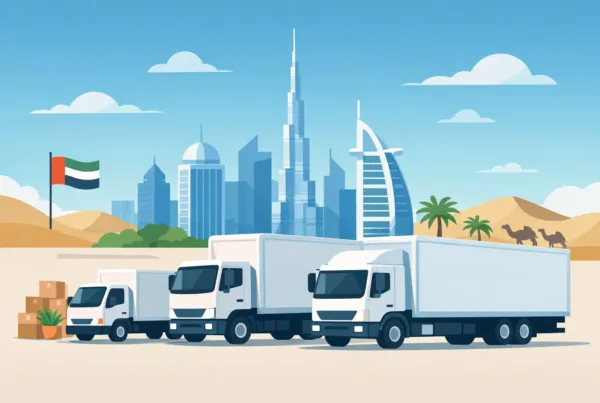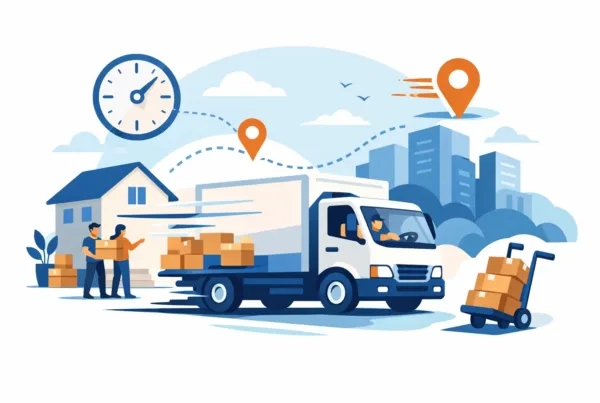


A late material delivery, a machine part waiting at the gate, or a finished order that must leave before shift change can affect an entire factory schedule. A dependable pickup service for Musaffah factories gives operations teams a practical way to move loads without keeping an underused truck and full-time driver on the payroll. The priority is simple: send the right vehicle, with an experienced driver, at the time the work requires.
Musaffah factories, workshops, and industrial yards handle very different loads every day. One job may involve pallets of packaged products, while the next needs steel sections, production equipment, electrical materials, or event structures. A one-size-fits-all transport arrangement creates delays, safety concerns, and unnecessary cost. Flexible pickup rental allows each job to be planned around its actual load, route, access point, and timing.
Why Factory Transport Needs Fast Response
Industrial transport is rarely just about taking goods from one location to another. Factory teams work around delivery windows, loading bays, production plans, site entry rules, and staff availability. If a vehicle arrives too small, too late, or without the right loading arrangement, the work stops while everyone waits for a solution.
A professional pickup service helps keep that pressure under control. With daily, weekly, and monthly rental options, a factory can arrange transport for a single urgent movement or maintain extra capacity during a busy project. This is especially useful when the company fleet is already committed, being serviced, or simply does not have the right truck for a particular load.
For operations managers, the value is not only the vehicle. It is having a responsive transport partner who understands that industrial work often changes at short notice. A planned pickup may become an urgent collection. A load may require a larger bed than first expected. The best service is one that can respond clearly, confirm the vehicle, and get the job moving safely.
Choosing the Right Pickup Service for Musaffah Factories
The correct truck depends on the weight, dimensions, handling needs, and destination of the load. Sending a 1-ton pickup for a heavy industrial shipment is not a saving if it requires multiple trips or creates an unsafe loading situation. On the other hand, hiring a large truck for a small delivery can add cost without improving the result.
For light materials, tools, cartons, and small equipment, a 1-ton pickup is often a practical choice. It is useful for quick factory-to-site movements and smaller loads where access is limited. A 3-ton or 5-ton pickup can suit larger quantities of packaged goods, machinery components, building materials, and workshop supplies.
When the job involves heavier equipment, long steel items, or a larger volume of goods, a 7-ton or 10-ton truck may be the better option. Flatbed trailers are suitable where loading space and length matter. For equipment that cannot be loaded by hand or forklift, a crane Hi-Up truck can provide on-site lifting support. Tail-lift trucks are useful for palletized or heavy items where a loading dock is not available.
The right choice also depends on whether the load needs protection from weather, dust, or visibility. Open pickups make loading and unloading straightforward for many industrial materials. Closed trucks offer more protection for packed products, sensitive equipment, and items that should not be exposed during transport. Share the load details before booking so the transport team can recommend a vehicle that fits the work instead of guessing.
Details That Help Plan the Job Correctly
A quick, accurate briefing saves time at collection. Provide the approximate weight and dimensions, the number of items or pallets, collection and delivery locations, and whether forklift access is available. It also helps to mention any site restrictions, gate pass requirements, waiting time, or special unloading needs.
Photos can be useful for irregular equipment, steel fabrications, and oversized materials. They help confirm whether the load needs straps, a flatbed, a crane truck, or a different vehicle size. Clear information protects the goods, the driver, and the people working around the truck.
Factory Loads Need More Than Available Space
A pickup bed is not simply empty space waiting to be filled. Safe transport requires proper weight distribution, secure loading, and suitable tie-down methods. Heavy items placed incorrectly can shift during braking or turns. Loose materials can create hazards for the driver, other road users, and site workers during unloading.
Experienced drivers bring practical value to industrial jobs. They understand how to approach loading areas, position a truck for safe access, and work with factory staff without creating unnecessary disruption. They can also help ensure that the vehicle is appropriate for the route and delivery point.
This matters for companies in sectors such as plastics, steel fabrication, construction, commercial supply, events, and ADNOC-related project work. These operations often involve high-value equipment, time-sensitive materials, or strict worksite procedures. The lowest price is not always the best choice if it means poor communication, an unsuitable truck, or a driver unfamiliar with industrial handling.
Flexible Rental Is Better Than Owning for Many Jobs
Owning a truck makes sense for some businesses with predictable, daily transport requirements. However, vehicle ownership also brings maintenance, insurance, licensing, driver scheduling, parking, and replacement costs. When demand changes from week to week, an owned fleet can become an expensive fixed commitment.
Pickup rental gives factories the ability to add capacity only when needed. A manufacturer can book a truck for a one-day equipment movement, arrange a weekly vehicle for regular material transfers, or use a monthly rental during a long production or construction project. This approach helps control operating costs while keeping transport capacity available when workloads rise.
It is also a practical backup plan. If a company truck breaks down, is assigned to another route, or cannot handle a new load, an external pickup can prevent the day from being lost. For urgent work, 24/7 availability can make the difference between meeting a project deadline and carrying the issue into the next shift.
Supporting Musaffah and Nearby Industrial Operations
Musaffah remains one of Abu Dhabi’s busiest industrial areas, with factories, warehouses, fabrication yards, workshops, and commercial operations moving goods throughout the day. Transport needs often extend beyond the immediate area to ICAD 1, ICAD 2, ICAD 3, Mafraq Industrial Area, KIZAD, Khalifa Port, and Abu Dhabi Mina Port.
That range makes route planning important. A local collection may be quick, but a delivery to a port, industrial zone, construction site, or event venue needs the right timing and vehicle setup. A transport provider that operates across these areas can support both planned movements and urgent requests without forcing the customer to manage multiple vendors.
Fast Movers General Transport LLC SPC provides 1-ton to 10-ton pickup truck rentals, including open, closed, tail-lift, crane Hi-Up, and flatbed options with experienced drivers. The service is built for businesses that need reliable transport support without unnecessary delays, whether the requirement is one trip or ongoing rental coverage.
What to Expect From a Reliable Factory Pickup Partner
Reliability shows up in the basics. The vehicle should arrive as confirmed, the driver should be prepared for the stated load, and the transport team should communicate directly if timing or vehicle requirements change. Customers should not have to chase updates while materials are waiting at the loading area.
Competitive pricing matters, but clear pricing matters too. Confirm the vehicle type, rental period, expected route, loading requirements, and any waiting time before the job begins. This helps avoid confusion and allows managers to compare transport options fairly.
A good provider should also be ready to scale with the job. A small pickup may handle today’s samples or supplies, while tomorrow’s work may require a 5-ton truck, flatbed, or lifting support. Working with one responsive team makes those changes easier to manage.
When production, delivery, or site work cannot wait, arrange the vehicle around the load rather than forcing the load onto the wrong vehicle. A clear booking, the right truck size, and an experienced driver keep factory transport moving with less risk and less wasted time.