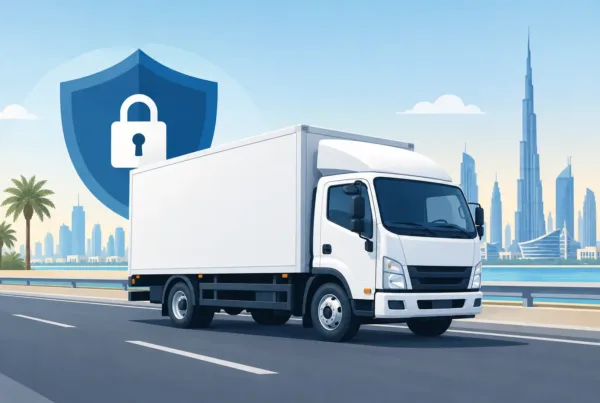



A construction site can lose hours when steel, blocks, tools, or equipment arrive late. The problem is not always the material supplier. Often, the truck is too small, the loading method was not planned, or the vehicle cannot reach the site at the required time. This truck rental for construction guide helps project teams choose practical transport support before a small delivery issue becomes a costly site delay.
For construction work in Abu Dhabi, rented trucks give contractors the flexibility to add capacity when project demand rises without committing to vehicle ownership, maintenance, insurance, and driver management. The right choice depends on the load, the site conditions, the loading equipment, and the delivery schedule.
Start With the Actual Load, Not Just Its Weight
Many transport requests begin with one question: “How many tons can the truck carry?” Weight matters, but it is only one part of the decision. Long pipes, scaffolding, shuttering panels, machinery, and oversized steel sections may require more bed length or a specific body type even when they are within the weight limit.
Before booking, prepare a clear load description. Include the approximate weight, number of pieces, dimensions of the longest item, whether the goods are palletized, and whether they need protection from dust, heat, or weather. A photo of the material can also help the transport team recommend the suitable vehicle.
Do not assume that a partially loaded truck is automatically safe. A load must be placed evenly, secured correctly, and kept within permitted capacity. Overloading creates safety risks, affects braking and handling, and can cause unnecessary delays at site gates or during inspections.
Choose the Right Capacity for the Job
Construction transport is rarely one-size-fits-all. A small pickup may be ideal for urgent tools and light supplies, while a larger truck is better for repeated material runs or heavier equipment. Booking a truck that is too large can increase costs. Booking one that is too small can mean multiple trips, missed work windows, and extra handling.
1-ton pickup trucks for urgent site support
A 1-ton pickup truck is practical for hand tools, small generators, boxed fittings, paint, electrical supplies, safety materials, and light equipment. It is often the right option when a site needs a quick replacement item or a short run between a supplier, workshop, and project location.
Its advantage is access. Smaller vehicles can move more easily through busy commercial areas, residential developments, and sites with limited space. However, it is not the answer for dense or bulky loads simply because they can be stacked into the bed.
3-ton and 5-ton trucks for regular material movement
For many contractors, 3-ton and 5-ton pickup trucks handle the daily middle ground. They are suitable for construction materials, palletized goods, formwork, moderate steel loads, equipment, and scheduled deliveries to active sites.
These capacities work well when the project has regular movement but does not need a large truck on permanent standby. A weekly or monthly rental arrangement can be more efficient when deliveries happen frequently and the project manager needs predictable transport availability.
7-ton and 10-ton trucks for larger deliveries
A 7-ton or 10-ton truck is better suited to heavier materials, large equipment, bulk site supplies, and industrial work where fewer trips are important. These vehicles can reduce handling time and help keep a project on schedule when the material is properly planned and safely loaded.
The trade-off is access and maneuvering room. Confirm the site entrance width, turning space, ground condition, unloading area, and any timing restrictions before dispatching a larger truck. A vehicle with the right capacity is still the wrong vehicle if it cannot safely enter or unload at the destination.
Select a Truck Body That Matches the Material
The truck body can be as important as its tonnage. An open pickup is useful when materials are large, irregular, or need side loading. It is a common option for steel, timber, scaffolding, construction tools, and general site materials that can be secured safely.
A closed truck offers more protection for items that should stay clean, dry, or out of direct sunlight. It may suit boxed equipment, electrical components, interior finishing materials, and supplies that require more controlled transport.
Tail lift trucks are useful when the loading point does not have a forklift or when heavy palletized items need a safer way to move between ground level and the truck bed. For machinery or loads that require lifting at the location, a crane Hi-Up truck can reduce the need to arrange separate lifting support. This should be planned in advance because lifting work needs enough space, proper ground conditions, and a safe unloading plan.
Flatbed trailers are a practical choice for long, wide, or oversized materials that cannot fit safely inside a standard pickup body. They are commonly used when the load shape, not just the load weight, creates the main transport challenge.
Plan the Site Route and Delivery Window
A truck rental for construction guide should always include route planning. A delivery can be fully loaded and correctly booked but still fail because of a restricted entrance, a congested access road, an unprepared unloading zone, or a site gate that closes before the truck arrives.
Give the driver the exact site location, gate number, site contact name, and preferred arrival time. If access requires approval, passes, or a specific safety procedure, arrange it before dispatch. This is especially useful for industrial areas such as Musaffah, ICAD, KIZAD, and port-side work zones, where site access and timing can affect the whole delivery schedule.
For busy projects, avoid scheduling material transport at the same time as concrete work, crane activity, shift changes, or major equipment movements. The receiving team should know what is arriving and have labor, forklift support, or lifting equipment ready. Waiting time adds cost and can disrupt the next job.
Use an Experienced Driver as Part of the Plan
A rental truck with an experienced driver gives the project team more than a vehicle. The driver understands safe road movement, load awareness, positioning for unloading, and the practical demands of working around active sites. This support is valuable when the project has urgent requirements, changing delivery points, or limited internal transport staff.
Still, the site team remains responsible for clear instructions and safe coordination. Tell the driver where to park, which gate to use, who will receive the material, and whether there are hazards such as soft ground, overhead obstructions, or restricted work zones. Good communication protects people, vehicles, and materials.
Fast Movers General Transport LLC SPC provides 1-ton to 10-ton pickup truck rentals, including open, closed, tail lift, crane Hi-Up, and flatbed options with experienced drivers available across Abu Dhabi. Daily, weekly, and monthly arrangements allow construction teams to match transport support to the actual project workload.
Compare Cost by Total Job Value, Not Daily Rate Alone
A low daily truck rate can become expensive if it causes multiple trips, long waiting time, damaged materials, or a delayed installation crew. When comparing rental options, look at the full operating picture: suitable capacity, required body type, driver availability, number of trips, travel distance, loading and unloading time, and the urgency of the request.
For a one-time movement, daily rental may be the simplest choice. Weekly rental can suit short project phases with repeated deliveries. Monthly rental is often more practical for ongoing construction work where the site needs regular access to a dependable vehicle and driver.
Ask for the correct truck from the beginning rather than requesting the cheapest available option. Clear information helps the rental provider send a vehicle that fits the job, which is where real value begins.
A Simple Pre-Booking Check
Before confirming a truck, make sure the load weight and dimensions are known, the pickup and delivery locations are accurate, the correct truck body has been selected, and the unloading method is ready. Confirm the delivery window, site contact, access requirements, and whether the material needs straps, lifting support, or weather protection.
The best construction transport plan is usually the one nobody has to think about after the truck arrives. Materials reach the right location, the crew keeps working, and the next task starts on time. A well-matched rental truck turns transport from a daily interruption into dependable site support.