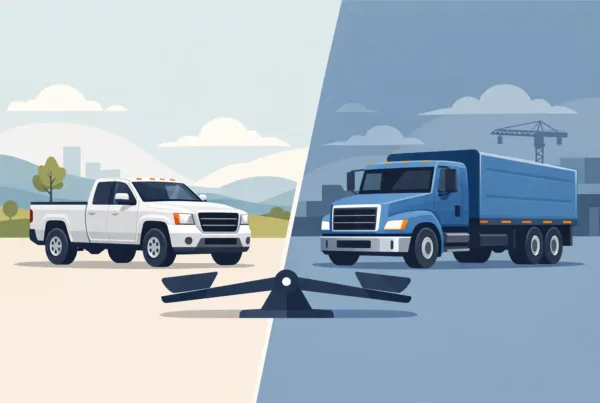



The trouble with most moves is not the heavy furniture. It is the last-minute rush – the missing tape, the unlabeled boxes, the sofa that does not fit through the door, and the truck booked too late. If you are wondering how to prepare for home shifting, the best approach is simple: plan early, pack in order, and arrange the right transport before moving day becomes a problem.
A home move can be straightforward when each step is handled at the right time. It can also become expensive and tiring when everything gets pushed into the final 24 hours. Families, working professionals, and anyone managing a tight schedule usually need a practical system, not moving advice that sounds good but does not help on the day.
How to prepare for home shifting without last-minute stress
Start by looking at the move as three separate jobs: sorting, packing, and transport. Many people mix these together and lose time. They start packing drawers that should have been cleared out first, or they book a vehicle before they know how much they actually need to move.
Give yourself enough time to reduce what you own before you box it. Home shifting is a good time to remove items you no longer use, especially broken furniture, duplicate kitchen items, old paperwork, and clothes that have been sitting untouched. Every extra item costs time to pack, space to load, and effort to unload.
Once that is done, think in zones instead of rooms alone. Your kitchen may need to be packed in stages, while your bedroom can often be packed earlier except for daily essentials. This matters because not everything should go into boxes at the same pace. The most efficient moves keep useful items accessible until the final day.
Set your moving timeline first
The easiest way to stay in control is to work backward from moving day. If your move is one or two weeks away, your timeline should already include packing days, utility transfer dates, building access approvals if needed, and transport booking.
In apartment moves, elevator booking and parking access can affect everything. In villa moves, driveway space and loading distance matter more. If your building has strict timing rules, you need to know them early. A good moving plan is not only about your belongings. It is also about access, timing, and how long loading will actually take.
A simple schedule works well. In the first stage, sort and dispose of what you do not need. In the second stage, pack non-daily items. In the third stage, confirm transport, protect furniture, and prepare essentials for the first night at the new home. This sequence keeps the move realistic.
Pack by priority, not by panic
Packing looks easy until you reach fragile items, mixed storage spaces, and furniture hardware. That is why people often underestimate how long it takes. A rushed packing job usually leads to damaged items and frustration when unpacking.
Begin with items you use least. Seasonal clothes, extra bedding, books, decor, and rarely used kitchenware can be packed early. Daily-use items should stay available until the final stage. Keep one essentials bag per family member with clothes, chargers, medication, toiletries, documents, and basic personal items. That small step saves a lot of stress after arrival.
Labeling matters more than most people expect. Write both the room name and the contents. “Kitchen” is helpful, but “Kitchen – plates and serving bowls” is much better. If a box is fragile, say so clearly on more than one side. If a box needs to stay upright, mark it. The goal is not perfect packing. The goal is easier handling and faster setup later.
For furniture, remove loose parts where possible and store screws, bolts, and small fittings in labeled bags. Tape those bags securely to the related item or keep them together in one clearly marked container. Many delays happen because assembly parts disappear during the move.
Choose the right vehicle for the job
Transport can make your move efficient or chaotic. A vehicle that is too small creates multiple trips, more handling, and more time. A vehicle that is too large may not always be the best fit either, especially if access is limited or your move is modest.
This is where being realistic helps. A studio or small one-bedroom move may suit a smaller pickup or light transport vehicle. A larger family home with appliances, beds, cabinets, and bulky furniture may need a bigger truck with proper loading support. If you have heavy equipment, large furniture, or items that need careful lifting, that should be considered before booking.
Closed trucks offer better protection for household goods, especially if you want to keep furniture, electronics, and cartons sheltered during transport. Open trucks may work for certain items, but they are not always the right choice for full household shifting. Tail lift support can also make a big difference when moving heavy appliances or items that are hard to lift safely.
If you are moving within Abu Dhabi or between residential and industrial areas, timing and route planning also matter. Busy roads, restricted access points, and loading space can all affect how long the job takes. Reliable transport support with an experienced driver is not just a convenience. It reduces risk and helps the move stay on schedule.
Protect what gets damaged first
The first items to get damaged in a rushed move are usually corners, glass, electronics, and polished surfaces. Good preparation is often less about fancy packing materials and more about using the right protection in the right places.
Wrap glassware individually and avoid overfilling boxes. Use smaller boxes for books and heavier items so they remain easy to carry. Keep electronics in their original boxes if you still have them. If not, use strong cartons with padding that limits movement inside the box. TVs and screens need extra care and should never be packed loosely with other items.
Furniture also needs protection before loading starts, not after. Tables, wardrobes, bed frames, and sofas should be wrapped or covered to prevent scratches and dust. Mattresses should be covered properly. If you are paying for transport, protecting your items before they reach the truck is one of the smartest ways to protect your money too.
Handle documents, valuables, and essentials separately
One mistake people regret quickly is packing important documents deep inside random boxes. Keep passports, IDs, tenancy papers, keys, bank documents, and any sensitive paperwork with you. The same goes for jewelry, cash, laptops, and personal valuables.
You should also prepare a first-day box or bag for the new home. Include basic tools, chargers, toilet paper, towels, a kettle if needed, snacks, bottled water, cleaning supplies, and a change of clothes. After a long move, no one wants to open ten boxes just to find a phone charger or toothbrush.
If children or older family members are involved, this step matters even more. Their daily needs should remain easy to reach during the full moving process.
What to check the day before moving
The day before the move should feel calm, not crowded. By then, most packing should already be finished. What remains should be only daily-use items, final cleaning supplies, and a quick check of each room.
Walk through the entire home and look inside cabinets, bathroom shelves, balcony storage, and kitchen drawers. These are the places where important things get forgotten. Defrost and dry the refrigerator if it is being moved. Make sure washing machines and similar appliances are drained and ready.
Confirm the moving time, location details, contact numbers, and any access instructions. If the vehicle is arriving early, be ready earlier than that. Delays often begin because the home is not actually prepared when the truck arrives.
For customers who need dependable local transport support, companies like Fast Movers General Transport LLC SPC pickup truck rental are often chosen because quick response, proper truck options, and experienced drivers matter when timing is tight.
How to prepare for home shifting on moving day
Moving day is about control, not speed alone. Be present during loading if possible. Guide the order of loading so fragile items, essentials, and furniture are handled properly. Boxes for the new kitchen should not be buried under outdoor items or storage cartons.
Check each room before the vehicle leaves. Then check the new home before unloading begins. Decide where key furniture should go first. This avoids unnecessary lifting and rearranging later. Beds, major appliances, and large cabinets should be placed correctly the first time.
Keep your phone charged, your paperwork close, and your expectations practical. Most moves do not go perfectly minute by minute. Traffic happens. Access takes longer than expected. A few boxes may need to be repacked. That does not mean the move is failing. It just means flexibility is part of a well-managed shift.
The best home moves are rarely the fanciest. They are the ones where the plan is clear, the transport is right, and the small details are handled before they turn into problems. If you prepare early and move with a system, your new place starts feeling like home much faster.