

A customer books a truck for a simple furniture move, then realizes halfway through loading that the job needs more space, more payload, and more stability than expected. That is usually where the real 1 ton truck vs 3 ton truck decision starts – not on paper, but at the moment when time, labor, and transport cost are already on the line.
If you are moving home, shifting office items, sending materials to a work site, or arranging event equipment transport, choosing the right truck size matters more than many people expect. A truck that is too small can mean extra trips, delays, and higher labor cost. A truck that is too large can mean paying for capacity you do not need. The right choice depends on what you are moving, how far it is going, how quickly it needs to be done, and what kind of loading conditions you are dealing with.
1 ton truck vs 3 ton truck: the real difference
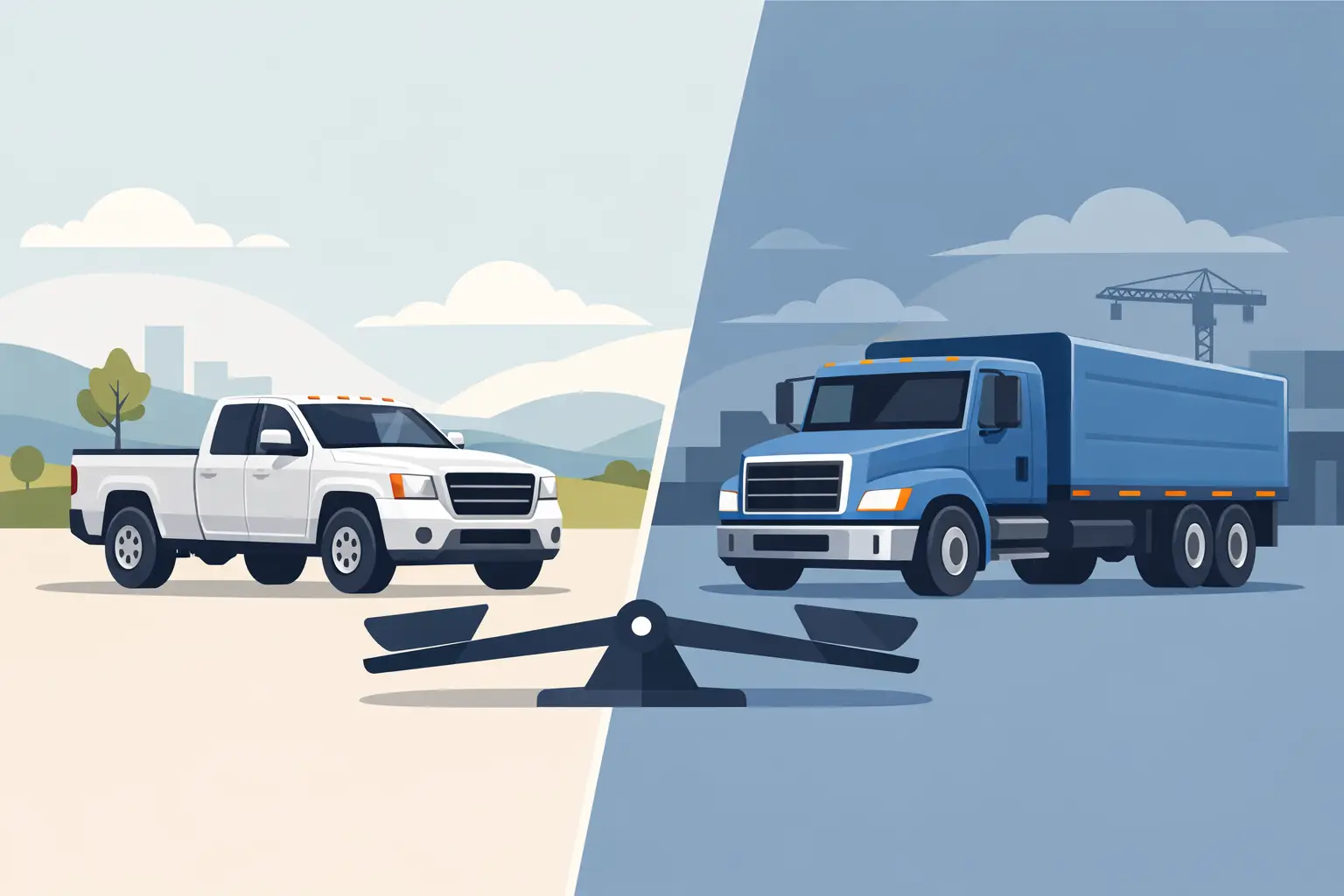
The simplest difference is capacity. A 1 ton truck is generally used for lighter loads, smaller moves, and short-haul transport where access and flexibility matter. A 3 ton truck is built for heavier, bulkier, and more demanding transport jobs. It gives you more loading area, higher payload capacity, and better suitability for commercial work.
That said, capacity is not the only factor. A 1 ton truck is often easier to position in tighter streets, residential areas, villa compounds, apartment loading zones, and small retail access points. For customers moving a few furniture items, appliances, office boxes, display materials, or light equipment, it can be the practical and cost-effective option.
A 3 ton truck is the stronger choice when your cargo includes full room setups, dense equipment, construction materials, industrial supplies, event structures, or larger business deliveries. It helps reduce the risk of overloading and usually cuts down the number of trips required.
When a 1 ton truck makes more sense
A 1 ton truck is a good fit for jobs that are light to medium in weight and moderate in volume. This includes studio or one-bedroom moves, small office shifts, retail stock movement, maintenance supplies, and furniture pickups. It is especially useful when the loading point or delivery point is in a location with limited space.
For many residential customers, the biggest advantage is efficiency. If you only need to move a bed set, a sofa, a washing machine, several cartons, and a few household items, a 1 ton truck can often handle the job without making the booking unnecessarily expensive. It is also a practical choice for same-day transport needs when speed matters.
For businesses, a 1 ton truck works well for lighter operational support. Event teams may use it for stand materials, sound accessories, display units, or decor items. Shops may use it for local stock transfers. Service companies may use it for tools, small machinery, or packaged materials. The key point is that the load needs to stay within both weight and space limits.
When a 3 ton truck is the better option
A 3 ton truck becomes the better option when the cargo is either too heavy, too bulky, or too valuable to risk squeezing into a smaller vehicle. This often applies to larger home relocations, office moves with desks and filing cabinets, commercial goods transport, and project-based site deliveries.
In many business settings, the 3 ton truck is the safer decision because the load profile is less predictable. A project manager might start with a rough estimate, then add pallets, tools, packaging, support items, or extra equipment at the last minute. With a 3 ton truck, there is more room to work with and less pressure during loading.
This truck size is also commonly chosen for construction support, factory movement, exhibition setups, and industrial transport where items are not only heavy but also awkward in shape. Long materials, stacked goods, and grouped equipment are usually easier to secure properly in a larger truck. That matters for safety as much as convenience.
Cost matters, but so does the number of trips
Many customers first compare rental price and assume the smaller truck is automatically the cheaper option. Sometimes that is true. But not always.
If a 1 ton truck needs two or three trips to complete a job that a 3 ton truck can handle in one, the cost difference can disappear quickly. You also need to consider driver time, labor time, site waiting time, and possible delays to your schedule. For businesses, those delays can affect staff coordination, installation timing, or project handover.
This is why the cheapest truck on paper is not always the best value. The better question is which truck completes the job properly, safely, and without interruption. In many cases, paying a little more for the right size saves money overall.
Space vs weight: customers often focus on the wrong thing
One of the most common mistakes is estimating only by item count. A customer says, “I just have a few things,” but those few things include heavy machines, packed shelving, dense cartons, or oversized furniture. Another customer has many items, but they are light and easy to stack. Weight and volume do not always match.
In the 1 ton truck vs 3 ton truck comparison, both weight and loading shape matter. A truck can run out of floor space before it reaches its payload limit. Or it can reach weight capacity while still having visible space left inside. That is why a proper booking should look at the full picture – item type, dimensions, packing method, loading access, and destination requirements.
If your items include safes, generators, equipment cabinets, workshop tools, large furniture sets, or building materials, the decision should be based heavily on payload. If you are moving lighter but bulky goods such as event props, display stands, cartons, and household furniture, loading space may be the main issue.
Access, roads, and loading conditions
Truck choice is not only about cargo. It is also about where the truck needs to go.
A 1 ton truck is easier for urban access, narrow parking zones, and smaller buildings. If the truck needs to stop in busy residential streets, enter compact service lanes, or handle quick loading in tight areas, the smaller size can save time and reduce hassle.
A 3 ton truck needs more room for access and maneuvering, but it gives stronger transport support once loaded. On industrial routes, project locations, warehouse runs, and larger commercial sites, this is usually not a problem. In fact, the larger truck is often preferred because it matches the scale of the work better.
In Abu Dhabi, this distinction matters across both residential and industrial areas. A customer moving furniture into an apartment may benefit from a 1 ton truck, while a business sending materials to Musaffah or ICAD will often be better served by a 3 ton truck that can carry more in one run.
Safety, reliability, and load handling
The right truck size is also a safety decision. Overloading a smaller truck creates risk for the cargo, the crew, and the vehicle itself. It can affect balance, braking, tire performance, and load security. It also increases the chance of item damage during transport.
A properly sized truck gives the driver and loading team a better setup from the start. Items can be placed correctly, tied down properly, and transported with less stress on the vehicle. That is especially important for commercial clients moving equipment, materials, or time-sensitive goods.
Reliable transport is not just about sending a truck quickly. It is about sending the right truck with the right capacity and support for the job.
How to choose between a 1 ton and 3 ton truck
If your move is small, light, and in a tight-access location, a 1 ton truck is often the smart choice. If your load is heavy, bulky, business-critical, or likely to grow during loading, a 3 ton truck is usually the safer option.
If you are unsure, it helps to think in terms of risk. What costs more – booking a larger truck than needed, or losing time because the smaller truck cannot handle the job? For home moves, the answer depends on budget and item count. For businesses, the answer usually depends on downtime, labor efficiency, and delivery reliability.
At Fast Movers General Transport LLC SPC pickup truck rental, customers often ask which truck size they should book first. The best answer is simple: match the truck to the actual work, not the rough guess. A clear load description usually leads to a better decision than choosing by price alone.
The right truck should make the job feel organized from the start. If you are choosing between a 1 ton and 3 ton truck, think beyond the rental rate and focus on what gets your move or delivery done safely, on time, and in one smooth run.