
A late truck can hold up an entire exhibition build. A vehicle that is too small can create extra trips, wasted labor, and pressure on a tight venue access window. That is why transport support for ADNEC events needs more than a pickup and a driver. It needs the right vehicle, clear timing, safe handling, and a team that understands event work.
For exhibitors, contractors, production teams, and event coordinators, transport is often one of the first services required and one of the last to finish. Display stands, lighting, furniture, printed materials, AV equipment, tools, staging items, and stock all need to arrive in the correct order. Fast Movers General Transport LLC SPC provides practical truck and pickup rental support with experienced drivers for event movements across Abu Dhabi.
Why ADNEC Event Transport Needs Proper Planning
ADNEC events operate to schedules that are not always flexible. Build-up periods may involve timed access, busy loading zones, and multiple contractors working at once. During breakdown, exhibitors are often trying to clear their spaces quickly while protecting valuable equipment and avoiding unnecessary delays.
The challenge is not simply moving goods from one location to another. It is matching the vehicle to the load, reaching the venue during the agreed slot, and allowing enough time for loading and unloading. A one-ton pickup may be suitable for promotional materials, boxes, small stands, and light equipment. Larger exhibition structures, heavy furniture, staging materials, or multiple pallets may require a three-ton, five-ton, seven-ton, or ten-ton truck instead.
Choosing too large a truck can add cost where a smaller vehicle would do the job. Choosing too small a vehicle can result in extra trips and missed deadlines. The best option depends on the weight, volume, packaging, loading method, and the venue schedule.
Transport Support for ADNEC Events From Setup to Breakdown
Event transport usually has three separate stages: delivery before the event, support during the show, and collection after the event closes. Each stage has different priorities.
Build-up deliveries
Before an exhibition opens, the priority is getting materials to the venue safely and on time. This can include booth components, display products, counters, signage, tables, chairs, lighting, sound equipment, flooring, and tools. A driver with event transport experience helps keep the process organized by arriving ready for the stated collection time and carrying the load securely.
When booking, provide the pickup address, delivery date, preferred arrival time, estimated load size, and whether loading assistance or special equipment is required. Clear information helps ensure the correct truck is assigned from the beginning.
During-event transport needs
Some exhibitors need additional movements while an event is underway. A business may need extra stock brought from a warehouse, replacement display materials collected, or equipment moved between a workshop and the venue. These jobs may be smaller than the initial build-up delivery, but they still need a quick response and dependable timing.
A flexible pickup rental service is useful here because event requirements can change without much notice. Having access to one-ton through ten-ton vehicles gives organizers and exhibitors options without the expense of owning and maintaining a fleet for occasional use.
Breakdown and return movements
Once the event closes, the pressure returns. Equipment must be packed, loaded carefully, and moved to a warehouse, office, workshop, retail location, or another event site. This is the stage where rushed handling can damage displays, electronics, furniture, or reusable stand materials.
Plan the return movement before the event begins whenever possible. Confirm the collection time, destination, truck size, and whether the load will be packed and ready for loading. This gives the transport team a clear plan and helps avoid last-minute confusion when loading areas are busy.
Select the Right Truck for the Job
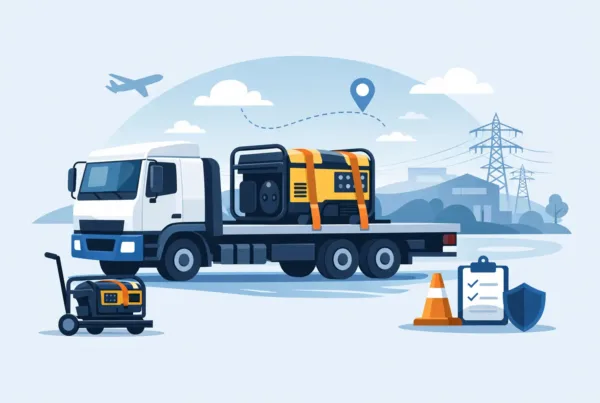
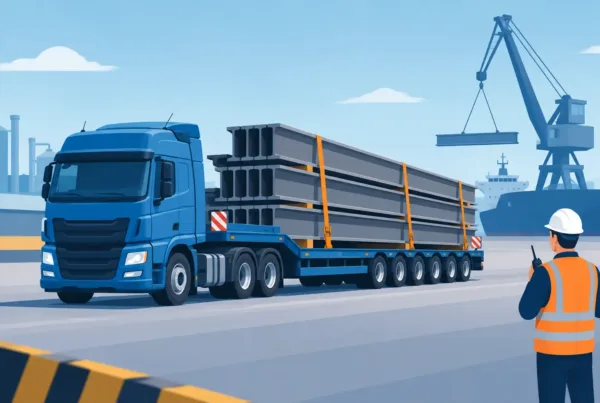
A practical event transport plan starts with the vehicle. Open pickup trucks are often useful for loads that are securely packed and can be covered when needed. Closed trucks give added protection for boxed displays, printed materials, electronics, and items that should stay out of dust or weather. Flatbed trailers can suit oversized items and equipment that requires side loading.
Tail lift trucks are helpful when heavy goods are on pallets or when loading equipment is limited at the pickup or delivery point. Crane Hi-Up trucks may be required for items that cannot be lifted manually or where heavier materials need controlled loading and unloading.
For most exhibition work, consider more than the total weight. Measure the longest, widest, and tallest items. Check whether equipment is packed in flight cases, whether it can be stacked, and whether the truck needs space for straps, blankets, trolleys, or additional loading tools. A vehicle may have enough weight capacity but still lack the internal space for a large booth structure.
What Makes an Event Transport Service Reliable
Reliability is built through preparation, not promises alone. A dependable event transport provider confirms the job details, assigns a suitable vehicle, uses an experienced driver, and keeps communication clear. For urgent work, availability also matters. Event schedules can start early, finish late, and change quickly.
Safety should remain part of every decision. Loads need to be secured correctly to reduce shifting in transit. Fragile items should be protected and heavier pieces placed carefully to keep the truck balanced. Drivers should also be given accurate pickup and delivery details so they can reach the site prepared.
At ADNEC, access rules and loading arrangements can vary by event. Exhibitors and contractors should confirm their assigned delivery instructions with event management, including any vehicle restrictions, permitted times, required passes, and loading bay procedures. A transport provider can bring the truck and driver, but venue approval and event documentation are generally handled by the exhibitor or organizer.
Book Early, Especially for Large or Time-Sensitive Loads
Early booking gives you a better chance of securing the vehicle type and timing your job requires. This is particularly useful during major exhibitions, public events, product launches, and busy seasonal periods in Abu Dhabi. If your schedule is still being finalized, share the likely dates, estimated load, and venue requirements as early as possible.
For urgent requests, give the transport team the most useful facts first: pickup location, ADNEC delivery or collection time, number of items, approximate dimensions, and any special handling needs. Photos of unusual or oversized items can also help the dispatcher recommend the correct vehicle.
Avoid assuming that every item can be loaded by hand. Heavy display counters, machinery, large crates, and palletized equipment may need a tail lift, forklift coordination, or a truck with lifting capability. Identifying these needs before the truck arrives protects the schedule and the goods.
A Practical Partner for Event Logistics
Professional transport support for ADNEC events should make the physical movement of your event materials easier to manage. Whether you need a one-ton pickup for a small stand delivery or a larger truck for exhibition equipment and staging materials, the goal is the same: get the right vehicle to the right place at the right time.
Before your next ADNEC booking, make a simple load list, confirm your venue access window, and choose a truck based on the real size and handling needs of the job. That preparation can turn a stressful event-day movement into a controlled, efficient part of your plan.