

A full home move, a workshop equipment shift, or a large event setup can quickly outgrow a pickup. Customers often ask, “what fits in 7 ton truck?” The practical answer is: a substantial load of furniture, materials, machinery, or event equipment, provided its total weight, dimensions, and loading method are suitable for the specific vehicle.
A 7-ton truck is a strong choice when you need more than several small trips but do not need a large trailer. It gives businesses and households a dependable middle ground for serious transport work across Abu Dhabi. The key is not simply filling the truck. It is planning the load correctly so it is safe, legal, protected, and delivered without delays.
What Fits in a 7 Ton Truck for Common Jobs?
The exact body size and legal payload can vary by truck model and configuration. An open body, closed box truck, tail lift truck, and crane hi-up truck all handle loads differently. Still, a 7-ton vehicle is commonly used for larger commercial moves, construction supplies, factory equipment, and complete household shifting.
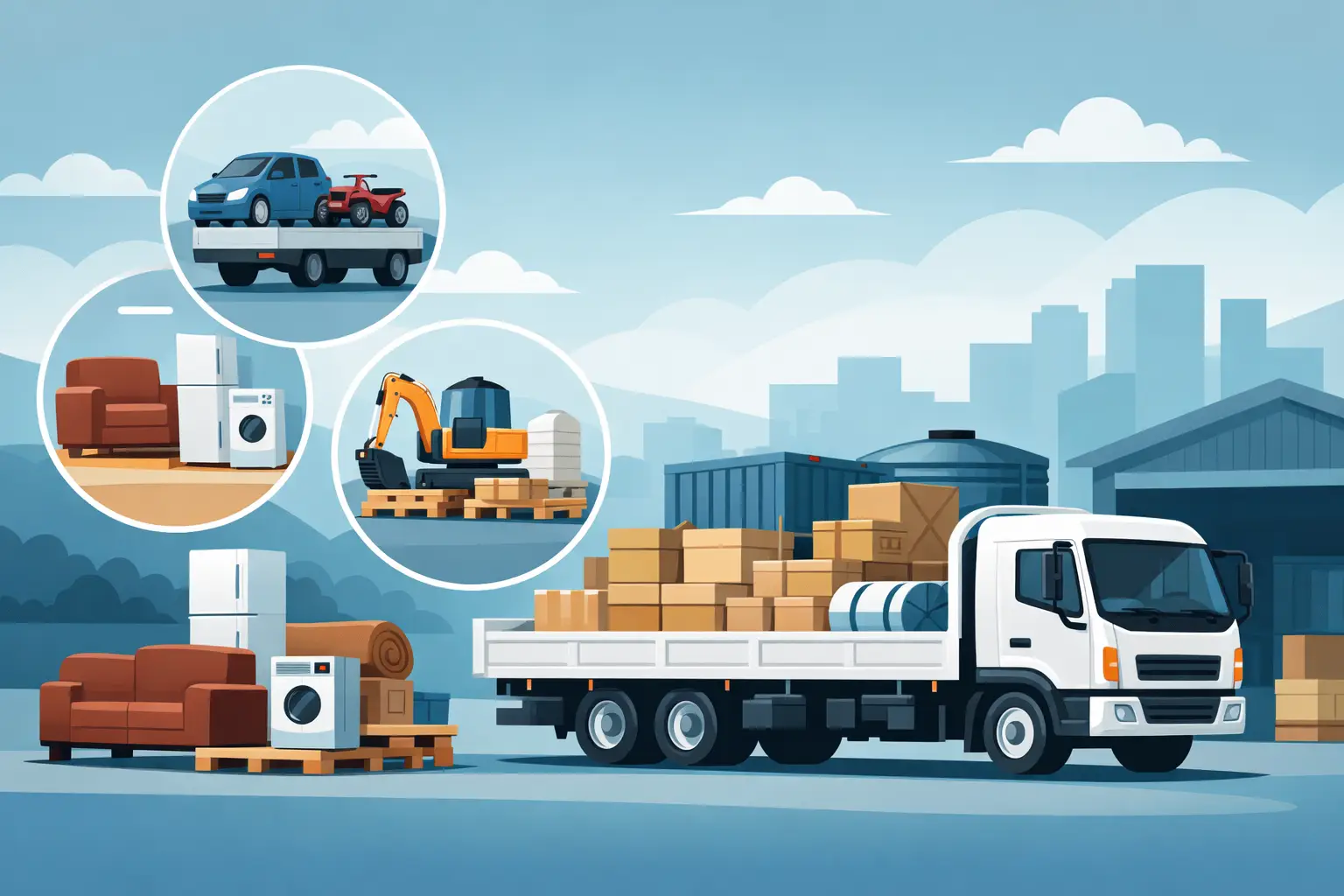
For a residential move, it can often carry the contents of a large apartment or a modest villa in one organized trip. This may include bedroom sets, sofas, dining tables, appliances, cartons, cabinets, mattresses, and other household items. The final fit depends on how bulky the furniture is and whether it can be dismantled before loading.
For an office relocation, a 7-ton truck can handle desks, chairs, filing cabinets, workstations, computers packed in protected cartons, shelving, and light meeting-room furniture. Office moves require more attention than a general load because electronics, glass surfaces, and documents need careful packing and proper stacking.
Businesses also use this truck size for pallets of packaged products, stock transfers, displays, racking components, and materials for retail fit-outs. In industrial areas such as Musaffah, ICAD, and KIZAD, it is a practical option for shifting tools, equipment, steel items, plastic industry materials, and machine parts that are within the truck’s approved capacity.
Weight and Volume Are Two Different Limits
A load can fit inside the truck and still be unsuitable to transport. This is the most common misunderstanding when choosing a truck size. A 7-ton truck has a weight limit, but it also has a usable floor area, side-wall height, and body volume.
Light but oversized items can fill the body before they reach the vehicle’s weight limit. Examples include sofas, exhibition booths, empty drums, large panels, insulation, lightweight furniture, and bulky event décor. Heavy compact goods may create the opposite issue. Pallets of tiles, metal products, machinery parts, cement-related materials, or dense equipment may not occupy much space, but their weight can reach the safe load limit quickly.
For this reason, a load should be measured in three ways: total weight, overall length and width, and how high it can safely be stacked. Do not estimate based only on the number of items. A driver or transport coordinator can recommend the right truck once they know what is being moved, whether loading equipment is needed, and the pickup and delivery access conditions.
Examples of Loads That Usually Suit This Size
A 7-ton truck is regularly suitable for the following types of work:
- Large apartment or villa furniture moves with packed household goods
- Office furniture, workstations, shelving, and protected electronic equipment
- Event staging, exhibition stands, sound equipment, lighting cases, and décor
- Construction tools, site materials, formwork items, and non-hazardous equipment
- Factory stock, machinery components, packaged goods, and industrial supplies
- Retail furniture collections and bulk purchases from major stores
These are general examples, not a guarantee of capacity. A single heavy machine, long steel section, or tall item may require a different vehicle type even if the rest of the load is small.
Choose the Right Body Type for the Load
The truck body is as important as the tonnage. An open 7-ton truck works well for materials that are weather-tolerant, oversized, or easier to load from the side. It is often useful for construction items, long materials, pallets, and equipment that needs flexible access.
A closed 7-ton truck is better for furniture, cartons, electronics, retail stock, and sensitive equipment. The enclosed body helps protect the load from dust, sun, and weather during transport. It also makes organized stacking easier for a household or office move.
A tail lift truck is useful when heavy goods are on pallets or cannot be lifted safely by hand. It can reduce manual handling and make loading more controlled at locations without a loading dock. For heavy equipment or items that need mechanical loading support, a crane hi-up truck may be the better option.
Before booking, describe the heaviest item and the longest item, not just the general category of goods. Saying “office move” is helpful, but saying “40 desks, 80 chairs, three cabinets, and a 900-pound safe” gives the transport team the detail needed to assign the correct truck and equipment.
How to Load a 7-Ton Truck Safely
A well-loaded truck protects both the goods and the people handling them. Heavy items should sit low and close to the center of the body, with the weight distributed evenly from side to side. Putting all dense materials at the rear or on one side can affect vehicle balance and handling.
Furniture, machinery, and loose items should be secured with suitable straps, blocking, and protective packing. Blankets, corner guards, shrink wrap, and cartons are particularly useful for home and office moves. Items should never be left free to slide, tip, or strike each other during braking and turns.
Loading order matters. Put the items needed last at the delivery location toward the front only if access allows it. For multi-stop work, load in reverse delivery order so the first items required are easiest to unload. This reduces handling time and avoids unnecessary unloading and reloading.
Height must also be managed carefully. Do not stack cartons or equipment above a stable level just to use every inch of space. A slightly less full truck is better than a load that becomes unstable, damaged, or unsafe on the road.
When a 7-Ton Truck May Not Be the Best Choice
A 7-ton truck is capable, but it is not the answer to every transport requirement. If your load is only a few furniture pieces, a 1-ton, 3-ton, or 5-ton pickup may be more cost-effective and easier to maneuver in tight residential access areas. Paying for unused capacity is not always good value.
At the other end, very heavy machinery, large volumes of construction material, long steel products, or equipment with special lifting needs may require a 10-ton truck, flatbed trailer, or crane hi-up arrangement. Oversized loads may also need route planning based on site access, loading space, gate clearance, and delivery conditions.
Timing can influence the choice too. A large load that is not ready when the truck arrives can create delays. Have goods packed, access permissions arranged, and loading staff prepared before the vehicle reaches the location. For event venues, industrial yards, malls, and construction sites, confirm delivery windows and entry requirements in advance.
What Information to Share Before You Book
The fastest way to get the right vehicle is to provide a clear load description. Share the pickup and delivery locations, the number of items or pallets, estimated weight, longest item, and whether the goods need an open or closed body. Let the team know if there are stairs, limited parking, a loading dock, forklift access, or a need for a tail lift or crane.
Photos are especially useful for furniture, machinery, large equipment, and unusual-shaped materials. They help identify whether the load can be safely secured and whether additional manpower or equipment is needed. This small step can prevent an incorrect truck booking and wasted time on moving day.
Fast Movers General Transport LLC SPC provides 7-ton truck rentals with experienced drivers for scheduled and urgent transport requirements across Abu Dhabi. Whether you are relocating a home, moving office assets, supporting an event, or shifting business materials, the right planning makes the job simpler and safer.
If you are unsure whether your items will fit, do not guess based on tonnage alone. Prepare a short inventory, measure the largest pieces, and ask for a vehicle recommendation before loading begins. That gives you the best chance of completing the work in one safe, well-organized trip.