
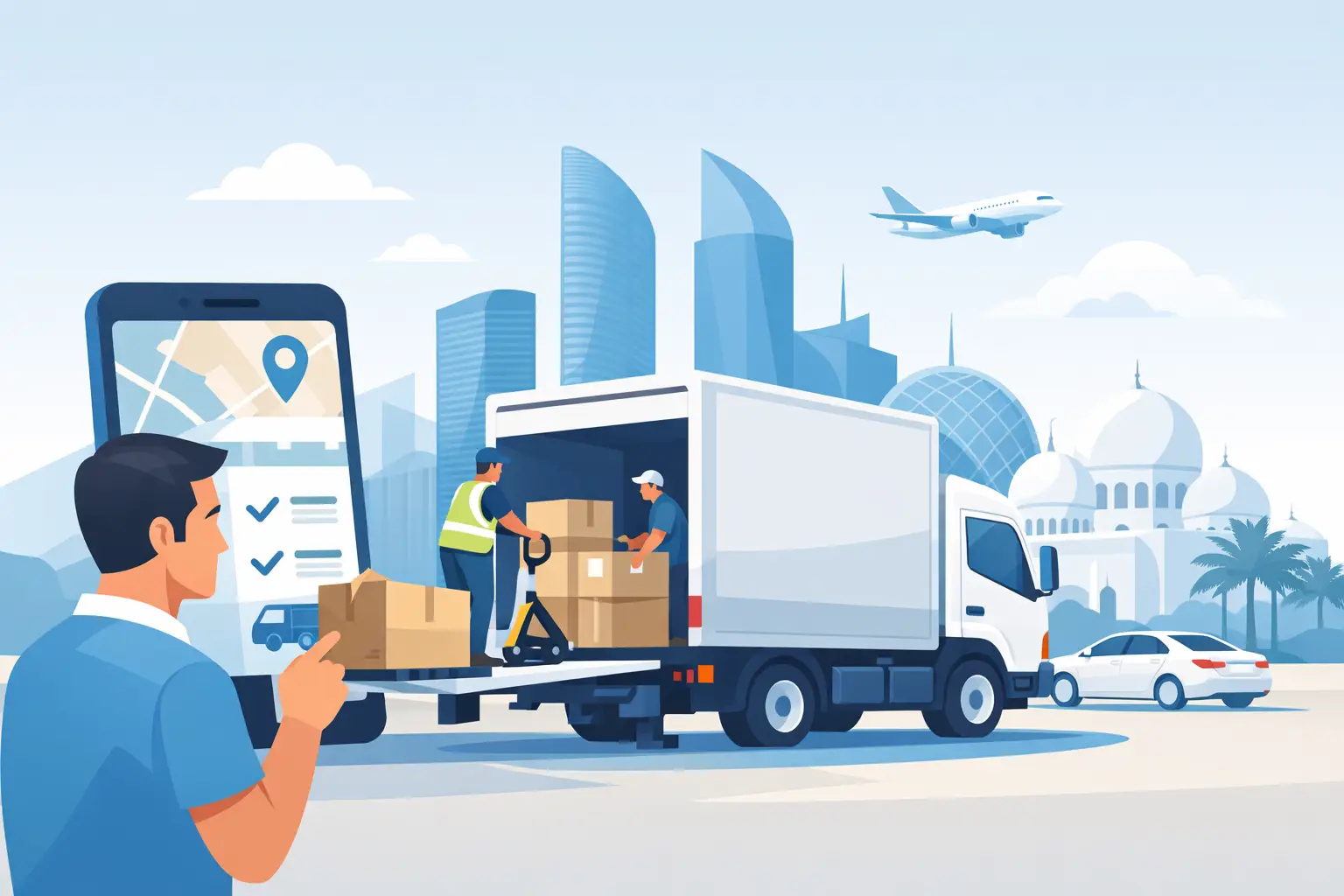
A tail lift truck is the practical choice when goods are too heavy, bulky, or awkward to load by hand. Whether you are moving office furniture, machinery, retail stock, event equipment, pallets, or construction materials, knowing how to book a tail lift truck helps you avoid loading delays, damaged items, and unnecessary labor costs.
For customers in Abu Dhabi, the booking process should be simple: explain what needs to move, where it is going, and what site conditions the driver will face. The right transport provider can then assign a suitable truck, experienced driver, and tail lift capacity for the job.
How to Book a Tail Lift Truck for Your Load
Start by sharing the basic details of your transport requirement. A transport company needs more than a pickup and drop-off location to send the right vehicle. The more accurate your information is, the easier it is to arrange safe loading and keep the job on schedule.
Tell the booking team the date and preferred collection time, pickup location, delivery location, and whether the service is one-way or requires waiting time. If the job is urgent, say so at the start. A 24/7 transport provider can check vehicle availability and give you a realistic dispatch time.
You should also explain what you are moving. For example, a few boxed appliances may need a different setup from a pallet of steel parts, a generator, display stands, or equipment for an exhibition. Mention the number of items, approximate dimensions, and estimated weight whenever possible. Photos can be useful when an item is unusually shaped or has to remain upright during transport.
Once these details are confirmed, you can receive a vehicle recommendation and price based on the truck size, route, loading requirements, driver time, and any site access considerations.
Confirm That a Tail Lift Is the Right Option
A tail lift is a powered platform fitted at the rear of a truck. It raises goods between ground level and the truck bed, reducing the need to carry heavy items up manually. This makes it especially useful where there is no loading bay, forklift, or raised dock.
A tail lift truck is often a good fit for commercial deliveries, warehouse transfers, furniture moves, retail stock replenishment, event setup, and equipment transport. It can also support jobs at industrial sites in Musaffah, ICAD, KIZAD, Mina Port, and other locations where goods need controlled loading from ground level.
However, a tail lift is not the best answer for every load. Very long materials, oversized machinery, or items that require lifting from above may need a flatbed, crane hi-up truck, forklift support, or another handling method. The key question is not only whether the item is heavy, but whether it can safely sit on the tail lift platform and fit through the truck opening.
Be clear about any special handling needs. Fragile equipment, high-value items, stacked pallets, loose materials, and items with an uneven center of gravity all need proper securing before the vehicle moves.
Check weight, dimensions, and packaging
Do not guess when it comes to weight. The tail lift has a lifting limit, and the truck itself has a payload limit. A load that is acceptable for a 3-ton truck may require a 5-ton or larger vehicle once packaging, pallets, tools, and additional items are included.
Measure the longest, widest, and tallest item. Also check whether the load is on a pallet, in crates, or loose. A pallet jack may be needed to position palletized goods on the lift, while loose goods may require straps, blankets, or protective packing. If you are moving household furniture, tell the transport team about large sofas, wardrobes, safes, or glass items before booking.
Choose the Right Truck Capacity
Truck size affects safety, cost, and loading time. Booking a truck that is too small can lead to extra trips or an overloaded vehicle. Booking much larger capacity than required can increase your cost without adding real value.
For lighter commercial goods, home moves, cartons, and small equipment, a 1-ton pickup or 3-ton truck may be suitable. Larger office moves, palletized products, machinery parts, and construction supplies may require a 5-ton, 7-ton, or 10-ton truck. The right choice depends on the actual payload, not simply the size of the item.
When you speak with the booking team, ask whether the quoted vehicle includes a tail lift and whether the lift capacity is suitable for your heaviest single item. This is particularly useful for factories, workshops, and project sites where one machine or pallet may weigh far more than the rest of the load.
Fast Movers General Transport LLC SPC can arrange tail lift truck rentals with experienced drivers across Abu Dhabi for daily, weekly, or monthly requirements. For repeat business deliveries or ongoing project work, regular scheduling can provide more predictable transport support than booking each trip at the last minute.
Give Clear Pickup and Delivery Access Details
A tail lift truck needs safe space to park, lower the platform, and load or unload. This is where many transport jobs lose time. A truck may reach the location on schedule but face a narrow street, blocked entrance, low ceiling, security checkpoint, or no available loading area.
When booking, share the building name, gate number, contact person, and any access restrictions. Tell the provider if the location is inside a mall, industrial yard, residential tower, warehouse, event venue, or construction site. Some sites require driver identification, vehicle registration details, delivery appointments, or prior approval from security.
Also mention whether there is a loading bay, ramp, dock, elevator, or ground-floor access. For apartment and office moves, confirm elevator dimensions and booking rules with building management. A tail lift can bring items down from the truck safely, but it cannot solve access problems inside the building.
If parking is limited, arrange a suitable loading area in advance. Keeping the truck close to the entrance reduces handling time and lowers the risk of damage during long carries.
Agree on Loading Help and Waiting Time
A driver operates the vehicle and tail lift, but loading manpower should be discussed before the truck arrives. Some jobs only need the driver and the customer’s own team. Others need additional helpers to carry items, position furniture, move boxes, or manage a large setup.
State clearly who will load and unload the goods. If you need labor support, request it during booking rather than expecting it on arrival. This avoids delays and helps the transport company plan the right crew.
Waiting time should also be agreed in advance. Delivery sites can have queues, security checks, delayed receiving teams, or restricted unloading hours. If the truck must wait for site clearance, the booking should allow for that possibility. Clear timing protects both the customer and the driver from confusion later.
Prepare the Load Before the Truck Arrives
Good preparation makes tail lift transport safer and faster. Pack smaller goods into secure boxes, label fragile items, and keep loose parts together. Remove drawers or detachable pieces from furniture where practical. For machinery or equipment, make sure it is switched off, drained if required, and ready for movement according to site safety rules.
Keep the loading route clear. Do not place boxes, tools, or materials where the tail lift needs to operate. Children, visitors, and untrained staff should stay away from the rear of the truck while the platform is in use. The driver will guide safe operation, but a clear work area is everyone’s responsibility.
For business shipments, prepare delivery documents, site contact numbers, and receiving instructions before dispatch. A driver should not have to wait while the receiving team searches for paperwork or decides where the goods belong.
Ask for a Clear Booking Confirmation
Before the job starts, confirm the truck type, tail lift requirement, date, collection time, route, price basis, and included services. Make sure you understand whether the price covers a single trip, return trip, driver waiting time, helpers, or additional stops.
A clear confirmation reduces surprises and gives your team one point of contact if site details change. If your load changes after booking, inform the transport provider as early as possible. Adding a heavy pallet, extra furniture, or a second delivery point can affect the truck capacity, loading plan, and timing.
The best tail lift truck booking is one where the vehicle arrives prepared, the loading space is ready, and everyone knows their role. A few accurate details before dispatch can turn a difficult heavy-load move into a safe, efficient job.