

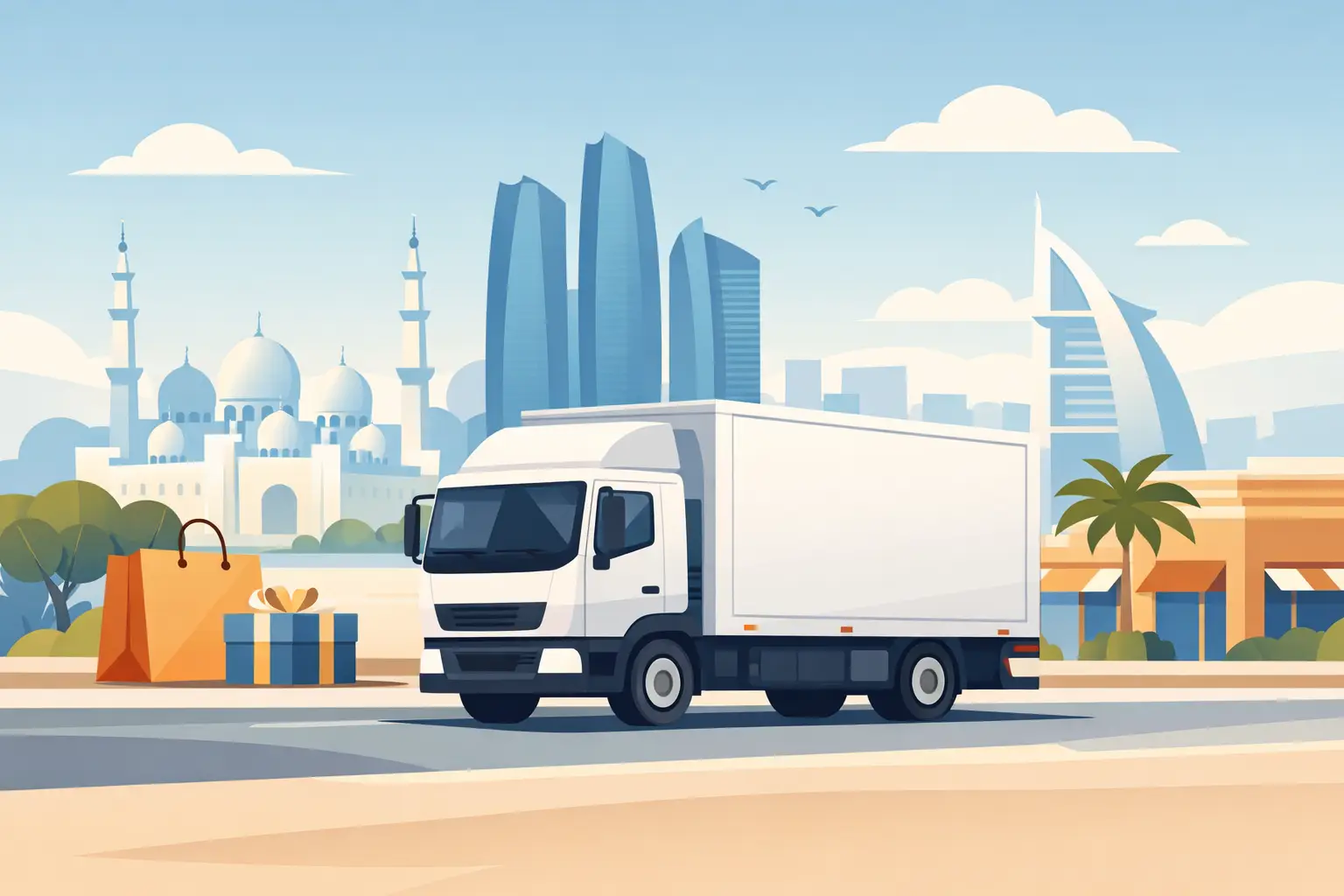
A retail delivery can go wrong before the truck reaches the store. A sudden sandstorm, high heat, unsecured cartons, or a missed receiving slot can leave valuable stock exposed and staff waiting. A closed truck for retail deliveries gives businesses a practical way to move merchandise with better protection, controlled loading, and dependable timing.
For stores, warehouses, furniture outlets, malls, and pop-up retail teams, the vehicle is not just transport. It is part of the customer experience. Products need to arrive clean, dry, organized, and ready for the next step – whether that is shelf replenishment, a customer collection, or a store opening.
Why a closed truck works for retail deliveries
Retail goods are often more vulnerable than they appear. Cartons can be damaged by moisture, dust, direct sunlight, or movement during transit. Loose packaging may be acceptable for a short internal transfer, but it creates unnecessary risk when stock is traveling between a warehouse, mall, showroom, factory, or customer location.
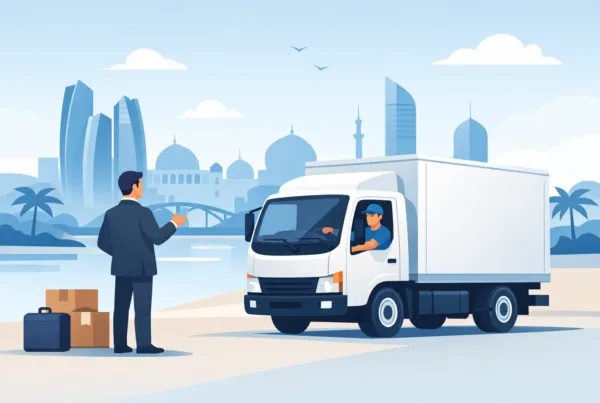
A closed truck keeps the load covered from the road environment. This is especially useful in Abu Dhabi, where heat, dust, and changing weather can affect packaging, furniture, electronics, textiles, displays, and boxed consumer products. The enclosed body also reduces visibility of the cargo, which adds another layer of confidence when moving valuable inventory.
For many retail businesses, the biggest advantage is consistency. Store managers know what condition to expect when goods arrive. Operations teams can plan delivery windows with fewer surprises. Customers receiving larger purchases, such as furniture or home items, get a more professional delivery experience.
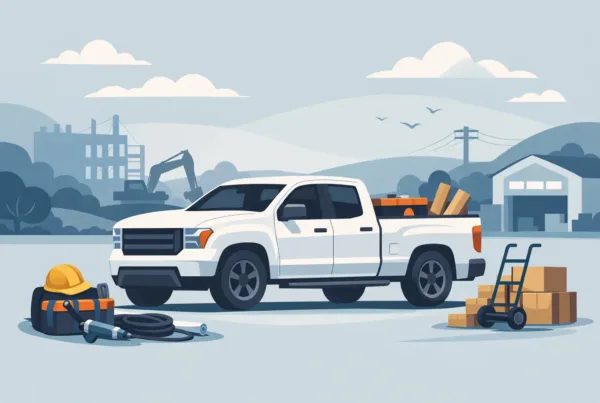
That does not mean a closed body is the answer for every job. Open pickups and flatbeds remain useful for oversized items, construction materials, palletized equipment, and loads that require crane access. The right choice depends on the product, the route, the loading method, and how much protection the goods need.
Choosing the right closed truck for retail deliveries
The right vehicle size should match the load, not simply the biggest truck available. An oversized vehicle can add unnecessary cost and make access more difficult at busy retail sites. A truck that is too small may require multiple trips, delay stock movement, or lead to unsafe loading.
A 1-ton closed pickup can be suitable for small store transfers, boutique stock, promotional materials, light furniture, and urgent replenishment. It is easier to maneuver through residential areas, mall service roads, and tighter delivery points.
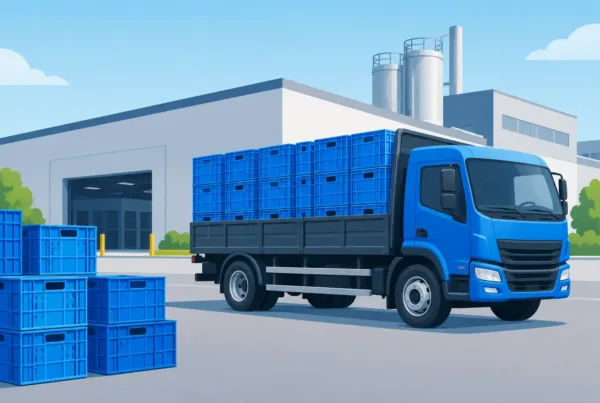
For larger stock movements, 3-ton, 5-ton, 7-ton, and 10-ton closed trucks provide more capacity for cartons, fixtures, furniture, appliances, and bulk retail goods. These vehicles are often a better fit for warehouse-to-store deliveries, store relocation work, seasonal stock changes, and multi-stop retail schedules.
Before booking, provide the approximate number of cartons, dimensions of larger items, total weight if known, pickup and delivery locations, and any required delivery time. If the goods are fragile, mention that clearly. Accurate information helps the transport team assign the right truck, driver, and loading approach from the start.
Think about access, not only cargo volume
A full truck is not useful if it cannot enter the loading area or reach the receiving point. Retail locations may have height limits, basement ramps, service entrances, designated loading bays, or restricted delivery hours. Malls often manage deliveries through specific gates and time slots, so planning ahead matters.
For deliveries to major retail areas such as Yas Mall, Reem Mall, Marina Mall, or Dalma Mall, confirm the receiving process before the truck departs. A clear booking reference, contact person, and loading bay instruction can prevent delays at the gate.
Protecting retail stock during transport
A closed truck provides the outer protection, but safe transport also depends on how the load is prepared. Goods should be placed in a stable order, with heavier cartons at the bottom and lighter, fragile items above them. Empty space should be reduced where possible so cartons do not shift during braking or turns.
Furniture, glass, displays, and electronics require extra attention. Protective blankets, wrapping, straps, and proper separation between items can reduce scratches, dents, and breakage. Products should never be stacked beyond what their packaging can safely hold, even when there is pressure to maximize truck space.
Retailers should also consider the sequence of delivery. If a truck has several store stops, items for the first location should be accessible without moving the entire load. This simple detail saves time at each stop and lowers the chance of handling damage.
An experienced driver adds real value here. Drivers who understand commercial deliveries can follow site instructions, help keep the loading process organized, and use safe driving practices suited to the cargo. For urgent jobs, speed matters, but safe handling should not be sacrificed to save a few minutes.
Better scheduling for stores, warehouses, and events
Retail deliveries rarely happen at a convenient time. Stores may need stock before opening, after customer hours, or during a narrow receiving window. Seasonal promotions, product launches, exhibitions, and weekend sales can create sudden demand for additional transport capacity.
Hiring a truck when needed gives businesses flexibility without the cost of owning, maintaining, insuring, and staffing a full-time vehicle. It is especially useful for companies with changing delivery volumes. A retailer may need a small truck for regular transfers and a larger closed truck for a store fit-out or bulk inventory movement.
For planned work, daily, weekly, and monthly rental arrangements can support regular operations. For urgent requirements, 24/7 availability is valuable when stock needs to move outside normal business hours. The key is to book as early as possible when delivery slots are fixed, while keeping a responsive transport partner available for last-minute needs.
Clear instructions reduce delivery delays
A good retail delivery plan should include the pickup contact, delivery contact, exact locations, preferred arrival time, item details, and any special handling instructions. If the site requires driver identification, delivery paperwork, or advance gate approval, share those details before dispatch.
This is also the time to confirm whether loading and unloading support is required. Some locations have staff and equipment ready. Others may need additional manpower or a tail lift truck for heavy boxed goods. Assuming that help will be available can create avoidable delays.
When a tail lift or larger truck is the better choice
A standard closed truck is ideal for many retail loads, but heavy appliances, bulky furniture, large cartons, and palletized stock may require a tail lift. The lift allows goods to move between ground level and the truck bed more safely when there is no loading dock or forklift at the location.
A larger truck may also be the better option when one trip can replace several smaller runs. This can reduce waiting time, simplify store scheduling, and help keep the delivery team focused on other work. However, larger is not always better. Access restrictions, partial loads, and short urban routes may make a smaller vehicle more efficient.
The best approach is to match the truck to the actual job. Describe the load honestly, ask about the vehicle options, and plan for safe loading rather than trying to make unsuitable equipment work.
A reliable partner for retail transport support
Retail operations depend on people who answer the phone, arrive as promised, and treat the goods with care. Fast Movers General Transport LLC SPC provides closed truck, open pickup, tail lift, and crane Hi-Up transport support across Abu Dhabi for businesses that need flexible capacity with experienced drivers.
Whether you are moving stock from a warehouse, delivering furniture from a showroom, supporting a mall promotion, or supplying a temporary retail setup, the goal is straightforward: get the right truck to the right place, with the right level of protection. Competitive pricing matters, but reliability, safe handling, and responsive service matter just as much when your products and store schedule are on the line.
When the next delivery window is tight, choose a vehicle based on the cargo and the site conditions, then give your transport team the details they need to do the job properly. That preparation helps your retail goods arrive ready for business.