


Most moving problems start before the truck arrives. The load looked small in the room, the hallway seemed wide enough, and the job felt easy on paper. Then the furniture does not fit, the cartons stack too high, or one trip turns into two. If you are wondering how to choose moving truck size, the right answer comes from volume, weight, access, and the type of items you need to move – not guesswork.
Choosing the correct truck size saves time, labor, fuel, and stress. It also protects your goods. A truck that is too small forces overpacking and extra trips. A truck that is too large can cost more than necessary and may be harder to load in tight areas. For home moves, office shifting, event transport, and commercial deliveries, the best truck is the one that matches the actual job.
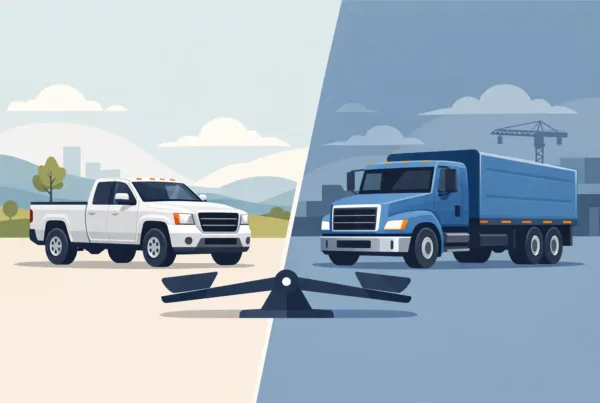
How to choose moving truck size for your load
Start with what you are moving, not with the truck list. A few household items, packed boxes, and light furniture may fit easily in a 1 ton pickup. A full apartment move with beds, wardrobes, appliances, and many cartons may need a 3 ton or 5 ton truck. Larger office relocations, construction materials, machinery, or event equipment often require 7 ton, 10 ton, or specialized transport support.
The first question is volume. How much space will your items take once packed and loaded? Loose items can be deceptive. Ten small boxes, two chairs, and a table may seem minor, but once everything is protected, stacked, and secured, the load grows quickly. Bulky items like sofas, bed frames, display counters, and shelving take up more room than their weight suggests.
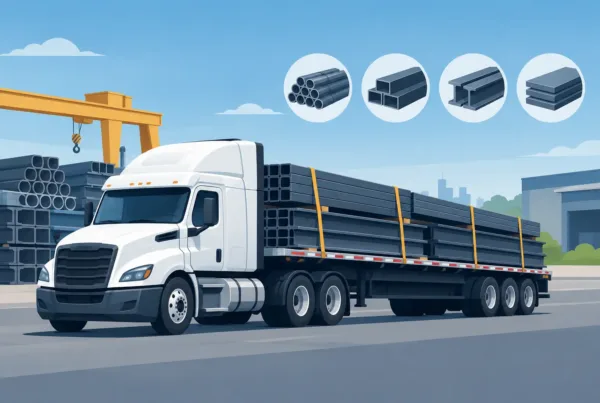
The second question is weight. This matters especially for commercial and industrial jobs. Tiles, metal parts, packed stock, tools, construction materials, and machinery components can become very heavy, very fast. A truck may have enough physical space but still be the wrong choice if the load is too heavy for that vehicle class.
The third question is loading style. Some jobs need open trucks for easy lifting from multiple sides. Others need closed trucks for protection from weather, dust, or public-facing goods. If you are handling pallets, appliances, or heavier equipment, a tail lift or crane hi-up truck may make the job safer and faster.
Match the truck to the job, not the guess
For small personal moves and light deliveries, a 1 ton pickup truck is often the practical starting point. It works well for a studio setup, a few household items, retail stock, or quick furniture transport. It is also useful when access is tight, parking is limited, or the pickup and drop-off points are in busy residential streets.
A 3 ton pickup truck suits medium moves. This is a common choice for one-bedroom or smaller two-bedroom household shifting, office furniture, shop stock movement, and equipment transport that is too much for a light pickup but does not justify a large truck. It gives more load capacity without becoming difficult to manage in urban areas.
A 5 ton truck is usually the point where customers stop worrying about space for standard family moves or solid business loads. If you have multiple large furniture pieces, appliances, many boxes, or office workstations, this size often provides a better buffer. It reduces the chance of a second trip, which can be more expensive than booking the right size from the beginning.
For bigger requirements, 7 ton and 10 ton trucks are better for large villa moves, major office relocation, exhibition items, project materials, industrial goods, and bulk deliveries. These sizes are also useful when the timeline is tight and one well-planned trip matters more than trying to split the job across smaller vehicles.
How to estimate your items accurately
A quick walk-through helps more than a rough guess. Count your major items first: beds, mattresses, sofas, dining tables, wardrobes, desks, refrigerators, washing machines, and shelving. Then count cartons honestly. Most people underestimate boxes because they only picture what is visible before packing starts.
A simple rule is to separate items into three groups: bulky, heavy, and loose. Bulky items take truck space. Heavy items affect the load limit. Loose items create packing inefficiency if they are not boxed well. When all three are present, sizing up is often the safer decision.
For office and commercial work, think in units. How many desks, chairs, filing cabinets, display racks, cartons, and electronic items are being moved? For events, count staging pieces, sound equipment, lighting stands, counters, branding materials, and cable cases. For site and industrial transport, look at pallet count, item dimensions, and lifting needs before choosing the vehicle.
If any item is unusually long, tall, fragile, or difficult to lift, mention it before booking. One oversized piece can change the best truck type even if the rest of the load is standard.
Truck size is not just about capacity
This is where many customers lose time and money. The right truck must fit the route and the loading point, not just the goods. A larger truck may hold everything, but if the building access is narrow, the basement ramp is restricted, or the unloading area is congested, a smaller or different truck type may be smarter.
That is especially true for residential compounds, city streets, malls, event areas, and industrial locations with loading rules. In Abu Dhabi and nearby zones, access conditions can vary a lot between towers, villas, warehouses, factories, and exhibition venues. Sometimes a medium truck with efficient loading beats a large truck that cannot reach the exact point smoothly.
Timing matters too. If labor is available for only a short window, a slightly larger truck can speed up the move. If your job is flexible and budget-sensitive, a smaller truck may be fine for a lighter load. There is no one-size-fits-all answer. The best choice depends on the trade-off between cost, speed, access, and risk.
When to size up
If you are between two sizes, sizing up is often the better move when the load includes fragile furniture, expensive goods, or a tight deadline. Extra room allows safer stacking and better securing. It also gives your team more control during loading instead of forcing every item into the truck under pressure.
The same applies when your inventory is still growing. Home moves often expand in the final 24 hours because storage boxes, cleaning supplies, décor items, and balcony or garden pieces get added late. Office moves do the same when records, pantry items, and spare equipment are finally counted.
For businesses, the cost of underestimating is usually higher than the cost of a slightly larger truck. Delays affect manpower, site schedules, and customer commitments. If one missed load means a second dispatch, the savings disappear quickly.
When a smaller truck makes more sense
A smaller truck is often the right call for quick local shifting, furniture pickups, sample deliveries, light commercial stock, and jobs with difficult access. It can be faster to position, easier to park, and more economical for small loads. If the goods are light, packed well, and clearly measured, there is no need to overbook capacity.
This is also true when the job includes multiple stops in busy areas. A compact vehicle can reduce waiting time and simplify loading in places where a larger truck would slow everything down.
Ask the right questions before booking
Before you confirm the vehicle, be clear about item count, pickup and drop-off access, floor level, elevator availability, and whether loading help is needed. Also confirm if you need an open truck, closed truck, tail lift, or crane support. These details matter as much as size.
If you are moving furniture or equipment that must stay clean and protected, a closed truck may be worth it. If speed of loading is more important and the items are suitable for open transport, an open truck can be practical. For heavy units that should not be lifted manually, specialized loading support reduces both risk and delay.
At Fast Movers General Transport LLC SPC pickup truck rental, customers often get the best results when they share photos, dimensions, and a realistic item list before the job. That makes it easier to recommend the correct 1 ton to 10 ton truck option instead of sending a vehicle that is only close enough.
The easiest way to choose well is to be honest about the load and careful about access. A truck should make the move simpler, not force the move to adapt to the wrong vehicle. When the size fits the job from the start, everything runs better – loading is safer, timing is cleaner, and the whole move feels under control. If you are unsure, ask for guidance before booking, because one smart decision at the start can save the entire day.