Steel is not a load to estimate by appearance. A small stack of plates can weigh several tons, while long pipes, rebar bundles, and structural sections create different loading and securing requirements. If you are asking which truck for steel transport, start with the actual weight, dimensions, loading equipment, delivery location, and the time available for the job.
For construction companies, fabrication workshops, industrial suppliers, ADNOC project teams, and site coordinators, the right vehicle protects more than the material. It helps prevent delays at the loading yard, avoids overloading, and keeps the delivery organized at the receiving site. A truck that is too small can create a safety issue. A truck that is much larger than necessary can add avoidable cost.
Which Truck for Steel Transport Fits Your Load?
The most suitable truck depends on the steel product being moved. Steel plates, coils, pipes, beams, channels, rebar, and fabricated frames do not behave the same way during transport. The first step is to confirm the total cargo weight from the supplier or loading supervisor. Do not rely on the number of pieces alone.
A 1-ton pickup can suit light steel accessories, small fabricated items, tools, fasteners, short offcuts, and urgent site materials. It is practical for local deliveries where access is tight and the load is safely within the vehicle’s rated capacity. It is not the right answer for dense bundles of steel or long structural materials simply because they fit on the bed.
A 3-ton pickup is often used for moderate steel loads, including short rebar bundles, steel sheets, pipe fittings, and workshop deliveries. This size offers useful flexibility for commercial and industrial jobs, especially where a large truck cannot easily enter. The key is confirming both payload and the safe distribution of weight over the truck bed.
For heavier batches of plates, pipes, fabrication materials, or rebar, a 5-ton or 7-ton pickup is generally a better fit. These trucks provide more carrying capacity and a larger loading area, helping teams consolidate deliveries rather than splitting materials into multiple smaller trips. They are commonly useful for active construction sites and industrial areas where loading equipment is available.
A 10-ton truck is appropriate when the steel weight is substantial and the delivery is planned around a larger vehicle. Heavy bundles, multiple pallets of fabricated steel, dense plate loads, and large quantities of reinforcement steel may require this capacity. The truck still needs to be matched to the route, site entrance, unloading equipment, and applicable load limits.
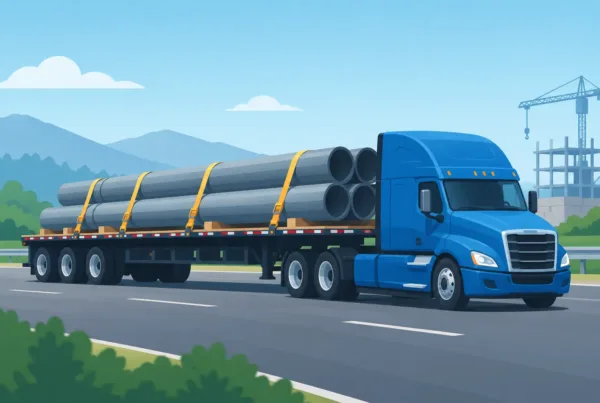
When length is the main concern rather than weight, a flatbed trailer may be the more practical choice. Long pipes, structural beams, large sections, and oversized fabricated items need enough deck length and proper support points. Trying to carry long steel on an undersized pickup can create overhang, balance, and securing risks.
Weight Is Only One Part of the Decision
A common mistake is selecting a truck based only on how many tons of material are being ordered. Steel transport also depends on the shape and center of gravity of the load. A compact bundle of steel plates can be heavier than a longer load of hollow sections. A vehicle may have sufficient capacity but still be unsuitable if the cargo cannot be positioned and secured correctly.
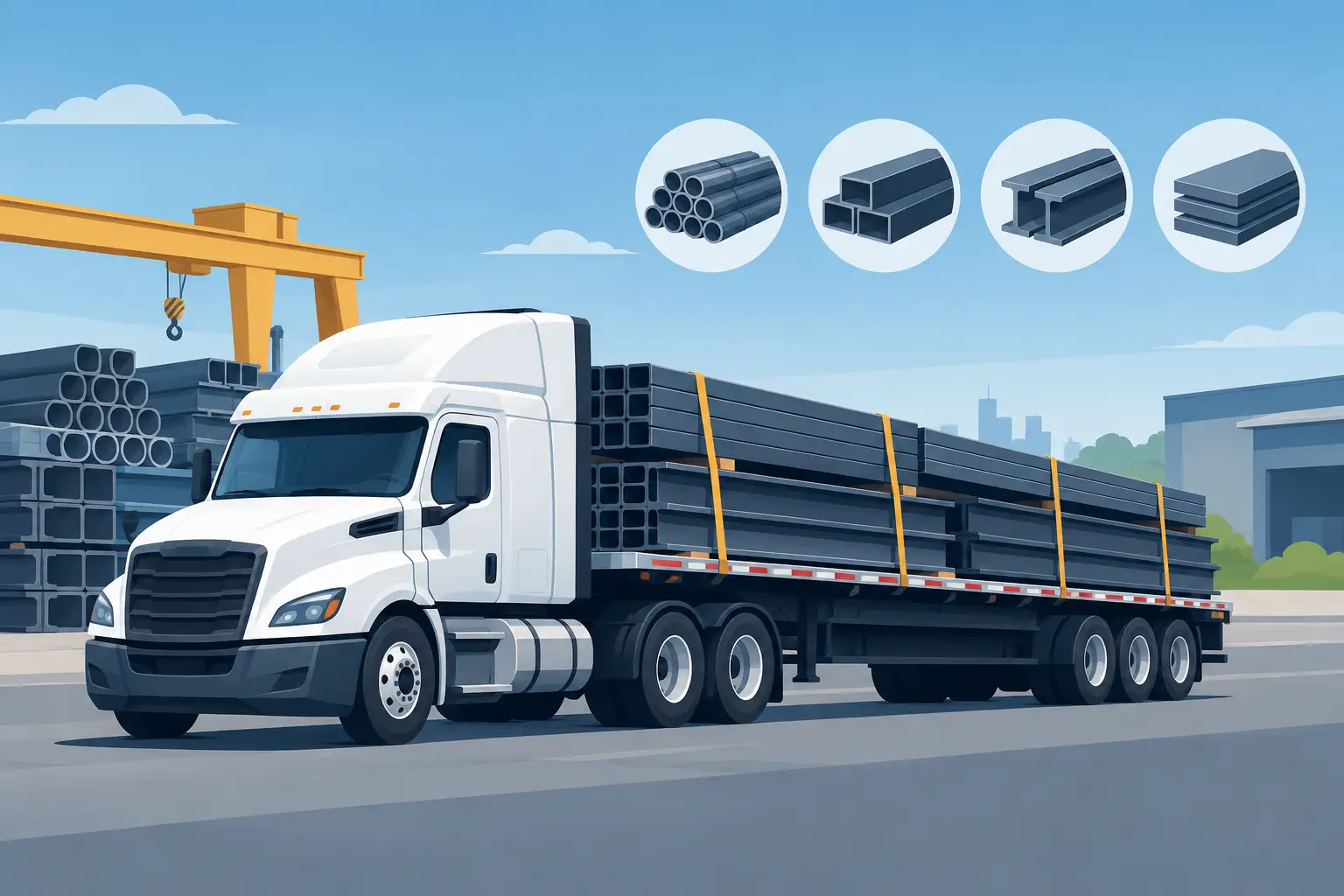
Steel coils require particular care because they can roll if they are not properly restrained and supported. Pipes and round bars also need measures to prevent movement. Long beams and channels require adequate support along their length so they do not shift or place uneven pressure on the truck bed.
Before booking, provide the transport team with the material type, piece count, exact dimensions, total weight, and any supplier loading notes. Clear information allows the right truck to be assigned from the start. It also helps the driver arrive prepared for the site conditions instead of losing time while the load plan is changed.
Open Pickup, Flatbed, or Crane Hi-Up Truck?
An open pickup is a practical option for many steel loads because it allows side loading by forklift or crane. It also makes unloading easier when the receiving location has suitable lifting equipment. Open beds are commonly chosen for rebar, pipes, sections, and fabricated steel that must be handled from above or from the side.
A flatbed provides a more open loading platform for long or wide materials. It is especially useful where the steel needs to be placed in a specific orientation or where forklifts need clear access. For structural steel, this can be more efficient than trying to load around the sides and roofline of a closed body truck.
A crane hi-up truck can be the right solution when the collection point or delivery site does not have a forklift, mobile crane, or other lifting equipment. This is valuable for smaller work sites, temporary locations, and jobs where timing matters. However, crane loading has its own requirements: there must be safe space to set up, suitable ground conditions, and a clear lifting plan.
Closed trucks are usually better suited to goods that need protection from dust, weather, or public visibility. For standard steel transport, an open pickup or flatbed is often more efficient. Still, the final decision depends on the material and the loading method, not on a single rule.
Check Access Before You Confirm the Truck
A 10-ton truck may be the correct vehicle for the load but not for the site. Narrow gates, low clearances, congested yards, basement ramps, and restricted delivery hours can all affect the choice. This is especially relevant for deliveries to busy commercial facilities, construction projects, retail locations, and urban sites.
Ask whether the loading and unloading points can accept the truck size you plan to use. Confirm if a forklift is available, whether the area has enough turning room, and if site security requires vehicle details in advance. At industrial locations such as Musaffah, ICAD, KIZAD, or Khalifa Port, site access procedures can vary from one facility to another.
The route matters as well. A heavy steel load should be moved on a practical route that supports the vehicle size and delivery schedule. A professional transport provider can help align the truck type with the job requirements, but accurate job details from the customer make that process faster and safer.
Secure the Load for the Road and the Site
Steel must be secured against sliding, rolling, shifting, and falling during transport. The right truck is only one part of safe delivery. The load must be placed evenly, supported where needed, and restrained using suitable equipment for the material type and load arrangement.
Do not stack steel in a way that makes unloading difficult or unsafe. A load that is stable during driving can still become a problem if the receiving team cannot remove it in the intended order. For example, steel items placed over the materials needed first may require unnecessary handling on site.
Loading and unloading should be coordinated with trained personnel and appropriate equipment. Forklift operators, crane operators, drivers, and site supervisors should understand who is responsible for each stage. This reduces waiting time and helps avoid rushed decisions when a truck arrives at a busy location.
A Simple Way to Book the Right Steel Transport Truck
When requesting a truck, share the total steel weight, the longest item length, the width and height of the load, and whether the items are loose, bundled, palletized, or fabricated. Also state how the material will be loaded and unloaded. If you need lifting support at either end, mention it at the time of booking.
For recurring steel deliveries, consistency is valuable. Using the same vehicle category for similar loads makes planning easier, helps site teams prepare, and gives better control over project schedules. However, do not assume every load needs the same truck. A change in plate thickness, bundle quantity, or beam length may change the correct vehicle choice.
Fast Movers General Transport LLC provides 1-ton to 10-ton pickup truck rentals, flatbeds, and crane hi-up truck support with experienced drivers across Abu Dhabi. Whether the job is a single steel delivery or regular project transport, the goal is simple: send a vehicle that matches the load, reaches the site, and supports a safe, timely handover.
The best steel transport booking is the one made with complete information. Confirm the load details before the truck is dispatched, and the right vehicle can do its job without costly surprises at the gate, loading yard, or delivery point.