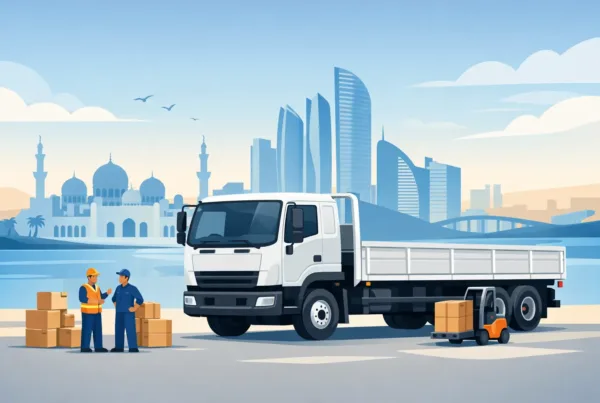



The fastest way to turn a simple move into a long, expensive day is to rent the wrong truck. That is why the best truck rental tips for moving start before loading even begins. If you are moving a home, shifting an office, or transporting stock, equipment, or furniture, the truck you book, the timing you choose, and the way you prepare all affect cost, speed, and safety.
In Abu Dhabi and across the UAE, many moves look easy on paper but become complicated once building access, parking, loading teams, and road timing come into the picture. A smart rental plan helps you avoid repeat trips, damaged goods, and last-minute delays. The goal is not just to get a truck. The goal is to get the right truck, with the right support, at the right time.
Best truck rental tips for moving start with truck size
One of the most common mistakes is booking too small to save money. It sounds practical at first, but a smaller truck often means extra trips, more fuel, more labor time, and more handling of your goods. That increases both cost and risk.
For a small apartment move or light commercial delivery, a 1 ton pickup may be enough. For a larger flat, office furniture, shop stock, or mixed equipment, a 3 ton or 5 ton truck is often the better fit. Heavier materials, industrial items, site equipment, and bulk transport may require a 7 ton or 10 ton truck. If your load includes oversized items or machinery, a flatbed, tail lift, or crane hi-up truck may be more suitable than a standard pickup.
It depends on volume, weight, and the type of goods. Furniture takes space. Equipment adds weight. Fragile items need better stacking room. When in doubt, it is usually better to describe your load clearly and get guidance rather than guess.
Think about access before you book
A truck that fits your cargo still has to fit your route and loading point. This is where many people lose time. Narrow access roads, basement parking, villa gates, warehouse ramps, and building loading restrictions all matter.
Before you confirm a rental, check whether the pickup point and drop-off point have enough space for the vehicle. Residential towers may have fixed loading hours. Offices may require prior approval for movers. Industrial areas may need a truck with easier loading support because of pallets, steel items, or workshop materials.
This is especially important if you are moving in busy areas or sending a truck into event spaces, retail zones, or work sites. A larger truck is efficient only if it can access the location without delays.
Book for the real job, not the ideal one
People often estimate moving time based on the drive alone. In reality, the loading and unloading usually take longer than the road journey. Elevators get busy. Packing is not finished. Someone cannot find the keys. Building security needs confirmation. These small issues add up.
A better approach is to book based on the full task. Include packing completion time, loading time, travel time, waiting time, unloading time, and any access checks. If your move involves multiple stops, furniture disassembly, or commercial goods that must be counted on arrival, give yourself extra margin.
This matters even more for businesses. An operations manager moving equipment or stock should think about downtime, labor coordination, and site readiness. A truck standing idle still costs time and money.
Ask what type of truck body suits your load
Not every moving job needs the same truck setup. This is one of the most useful truck rental tips for moving because the truck body affects protection, loading speed, and handling.
An open pickup works well for general goods, quick loading, and short-haul transport in suitable weather. A closed truck gives better protection for furniture, cartons, electronics, documents, and retail items. A tail lift helps when you have heavy items that should not be manually lifted. A crane hi-up truck is useful for equipment, generators, site materials, and loads that need lifting support.
The cheapest vehicle on paper is not always the best value. If the wrong truck causes extra labor, slow handling, or product damage, the total job cost becomes higher.
Protect your goods before they reach the truck
Even the best driver cannot protect items that are packed badly. Good packing reduces breakage, prevents shifting, and makes loading faster. Use proper cartons, wrap fragile items, tape boxes securely, and label what needs careful handling.
Heavy items should go in smaller boxes so they are easier to lift safely. Light but bulky items can go in larger cartons. Furniture should be wrapped to protect corners and surfaces. Loose items should never be left unboxed if they can slide, spill, or break.
For office moves, label departments or room destinations clearly. For commercial transport, separate items by category or delivery point. This saves time at unloading and reduces confusion.
Do not ignore weight distribution and loading order
A truck can be full and still be loaded badly. Proper loading is not just about making everything fit. It is about keeping the vehicle balanced and the goods stable during travel.
Heavier items should go at the base and be spread correctly to avoid shifting the truck’s balance. Fragile items should not be trapped under hard, heavy goods. Items needed first at the destination should be loaded last when possible. If the move includes mixed goods, keep similar items together.
This is one reason experienced loading support makes a difference. A rushed loading job often creates damage that only becomes visible after unloading. Safe stacking and securing are part of a professional move, not an extra detail.
Check what support comes with the rental
Some customers only need a truck and driver. Others need labor, loading help, route coordination, or a vehicle with handling equipment. Being clear about this upfront avoids problems later.
If you are moving a family home, you may need help with furniture handling. If you are shifting office equipment, you may need a crew that can work within a limited time window. If you are transporting materials for construction, events, logistics, or industrial work, you may need a truck type matched to the load and delivery environment.
A reliable rental company should ask the right questions. That is usually a good sign. It means they are trying to match the service to the job instead of simply assigning any available vehicle.
Plan around timing, traffic, and site restrictions
Moving at the wrong hour can stretch a short job into a full-day operation. Road traffic matters, but so do local restrictions. Many residential and commercial buildings only allow moving during specific hours. Some sites need prior approval for vehicle entry. Event venues and industrial yards may have tight timing windows.
Morning slots can be efficient, but they are also in high demand. Late-night or off-peak moves may reduce traffic, though they are not always ideal for residential buildings or businesses that need staff present to receive goods. It depends on the area, the building rules, and the type of items being moved.
For urgent moves, 24/7 truck availability is a major advantage, especially for business operations that cannot wait until the next day. Fast Movers General Transport LLC SPC pickup truck rental supports this type of flexible scheduling across Abu Dhabi for both personal and commercial transport needs.
Confirm the basics in writing before move day
Simple confirmation prevents major misunderstandings. Before the truck arrives, make sure the job details are clear: pickup location, drop-off location, truck size, truck type, timing, duration, any extra stops, labor support, and special handling needs.
If you have large furniture, fragile equipment, site materials, or anything that needs a tail lift or crane support, mention it clearly. If access is limited or permits are needed, say that early. A smooth move often comes down to good communication more than anything else.
This is especially true for companies. A project coordinator or operations manager should make sure the site contact, receiving contact, and driver instructions are aligned. That saves back-and-forth calls when the truck is already on the road.
Balance price with reliability
Everyone wants a competitive rate, and that makes sense. But the lowest quote is not always the best option if it comes with late arrival, poor communication, or the wrong vehicle. A delayed truck can affect your building slot, labor timing, handover schedule, or business operations.
Reliable service has real value. It means the truck shows up when expected, the driver understands the job, and the vehicle is suited to the load. For business clients, that reliability can matter more than a small price difference, especially when equipment, staff time, or customer deadlines are involved.
A good rental decision is usually based on total value: suitable truck size, responsive support, safe handling, and on-time service. That is what keeps a moving day under control.
The best moves are usually the best planned
Most moving problems do not come from one big mistake. They come from a series of small assumptions – the truck will be big enough, the building will allow easy access, the loading will be quick, the goods will fit without protection. The best truck rental tips for moving are really about removing those assumptions early.
If you take a few extra minutes to match the truck to the load, confirm access, organize packing, and book the right support, the entire job becomes easier. Whether you are moving a studio apartment, an office floor, retail stock, or site materials, a well-planned truck rental gives you something every move needs: fewer surprises and a much smoother day.