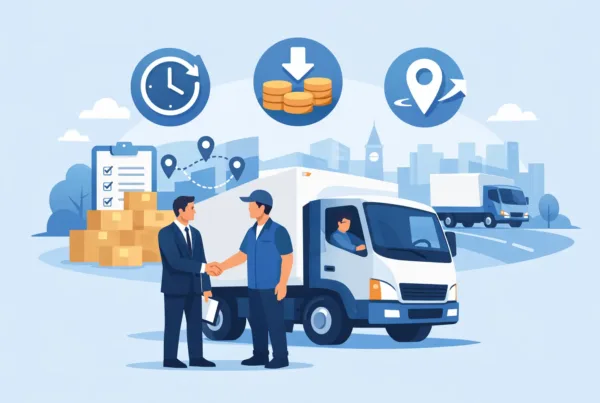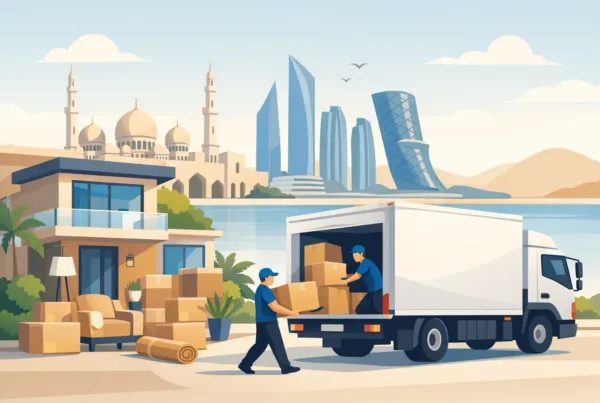

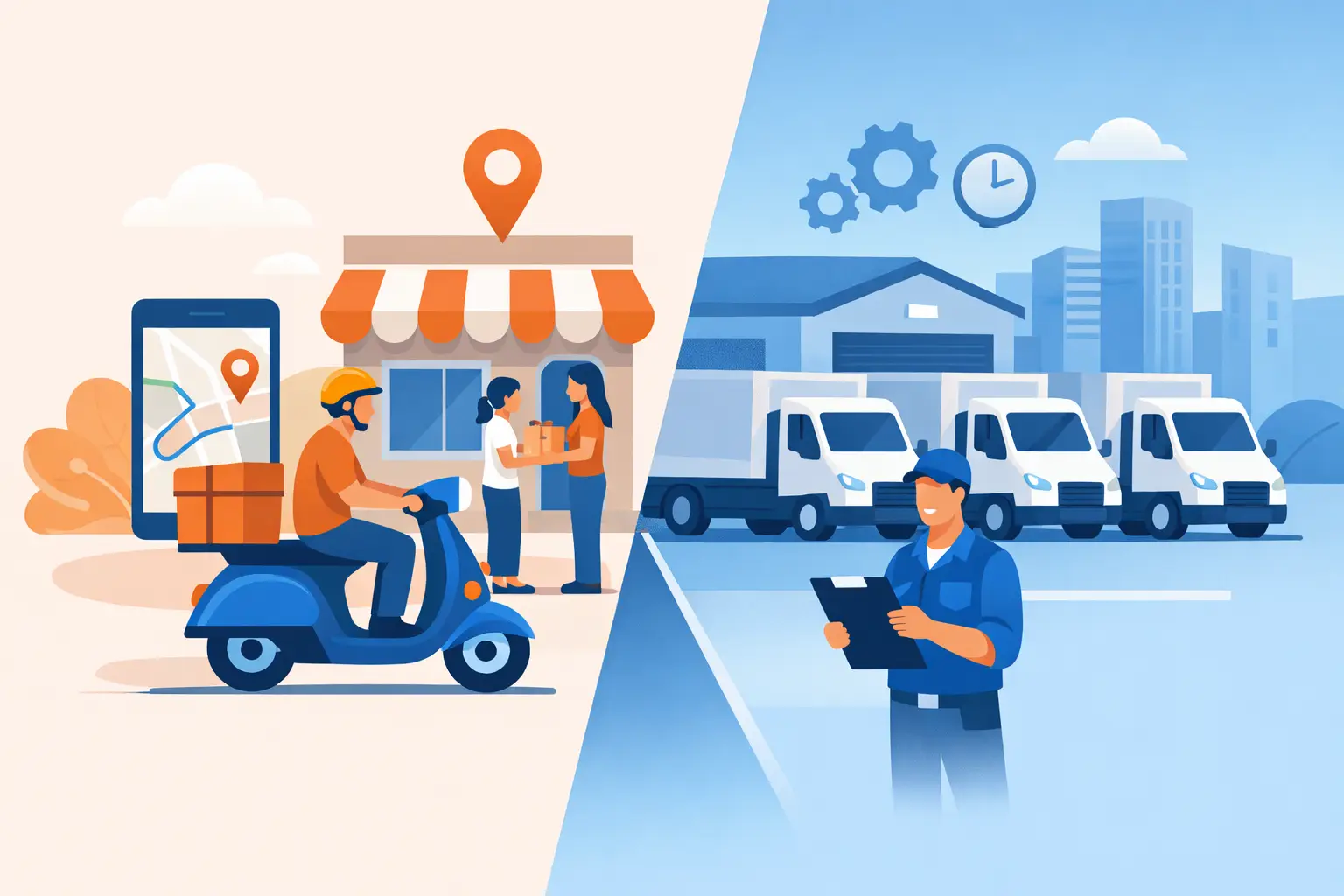
When a delivery request comes in at 7 a.m. and the goods need to move the same day, the real question is not just who can drive. It is whether local delivery vs fleet ownership makes more sense for your workload, budget, and deadlines. For some businesses, owning trucks feels like control. For others, renting transport with drivers is the faster, safer, and more cost-effective move.
This decision matters most when transport is not your only job. If you run events, construction, retail supply, facility support, or site operations, vehicles are only one part of a much bigger operation. The wrong model can tie up cash, create staffing pressure, and slow down jobs that should be simple.
Local delivery vs fleet ownership: what changes the decision
On paper, fleet ownership looks straightforward. You buy the vehicles, hire drivers, manage schedules, and keep the trucks available when needed. If your deliveries are daily, predictable, and heavy throughout the year, that model can work.
But transport demand is rarely that neat. One month you may need a 1 ton pickup for retail stock movement. The next week you may need a 3 ton or 5 ton truck for equipment, furniture, materials, or event setup. Then a large project may require a 7 ton, 10 ton, tail lift, or crane hi-up truck. Ownership works best when your usage stays steady. Once demand starts changing by season, project, or location, flexibility becomes more valuable than having your own keys.
Local delivery through rental support gives you a way to match the vehicle to the job. You are not stuck using one truck for every task, and you are not paying every day for vehicles that are parked.
The real cost is more than the truck payment
Many companies compare ownership and rental by looking only at the purchase price or monthly finance cost. That is where mistakes happen.
Owning a fleet means paying for registration, insurance, servicing, tire replacement, breakdowns, driver hiring, driver leave coverage, fuel management, parking, compliance, and downtime. There is also the hidden management cost. Someone has to assign vehicles, monitor repairs, track usage, and respond when a truck is unavailable right before a job starts.
That cost hits harder when your fleet is underused. A truck that works only a few times a week still costs money every day.
With local delivery support from a rental provider, you usually move that fixed cost into a variable one. You pay when you need the vehicle and service. This helps cash flow, especially for businesses handling changing order volume, temporary projects, urgent site work, or one-time moves. It also reduces the risk of paying for excess capacity during slow periods.
For families or small businesses, the answer is even clearer. Buying and running a truck for a home move, office shift, shop delivery schedule, or occasional supply run rarely makes financial sense.
Control matters, but so does operational pressure
The biggest argument for fleet ownership is control. Your vehicles carry your branding. Your team knows your routes. Your schedules are internal. If transport is central to your business every single day, that control has value.
Still, control comes with pressure. If a driver is absent, a vehicle is in the workshop, or a job suddenly needs a different truck type, your internal system has to absorb the problem. That can delay materials, affect customer commitments, and create stress across departments.
This is where local delivery can be stronger than many people expect. A professional rental partner can give you access to the right truck size, an experienced driver, and quick support without the admin burden. You lose some direct ownership control, but you gain operational breathing room.
For many UAE businesses, that trade-off is worth it. Operations managers usually care less about owning vehicles and more about getting goods, equipment, or materials where they need to be on time and without trouble.
When fleet ownership makes sense
There are cases where ownership is the better choice.
If your company has constant transport demand every day, fixed routes, and a stable volume of similar loads, owning a fleet may lower your long-term cost per trip. This can apply to businesses with nonstop internal movement between warehouses, production sites, and regular commercial locations.
Ownership can also work when your operation depends on specialized handling standards that are easier to manage with a fully dedicated internal team. If your vehicles never sit idle and your business has the staff and systems to manage maintenance, dispatch, and compliance properly, ownership becomes more practical.
But that is a narrower group than many assume. A lot of businesses think they need a fleet when what they really need is dependable access to vehicles.
When local delivery is the better business decision
If your transport demand changes by week, project, or season, local delivery support usually wins on flexibility. You can scale up for a busy period, reduce costs during slower weeks, and choose the right truck for each job instead of forcing one vehicle to cover everything.
This is especially useful for event companies, construction work, retail stock movement, office shifting, furniture transport, maintenance teams, and industrial support work. These jobs often change in volume, timing, and vehicle type. Renting trucks with drivers gives you response speed without building a full transport department inside your business.
It also helps during urgent work. If a client needs same-day movement, a site needs equipment moved before access closes, or a store needs stock transferred fast, waiting on your own limited fleet can hurt the schedule. Flexible rental support helps you stay ready without overinvesting.
In places like Musaffah, ICAD, KIZAD, and active commercial areas around Abu Dhabi, this matters a lot. Workloads move quickly, and transport needs can shift from light delivery to heavy site support with very little notice.
Local delivery vs fleet ownership for growing companies
Growth changes the equation. A small company may begin with occasional rented transport, then consider buying one truck as volume increases. That can work, but growth is often uneven. One vehicle solves one problem and creates two more.
Once you own one truck, you need to keep it productive. If demand spikes beyond its capacity, you still need outside support. If demand dips, the truck becomes a fixed cost. If the work changes and you need a tail lift or larger tonnage, your owned vehicle may no longer fit the job.
That is why many growing companies do better with a mixed model. They may keep a small internal capability for regular tasks, then use local delivery services for overflow, special jobs, larger loads, or peak periods. This gives them control where it counts and flexibility where it pays.
The smartest setup is not always one side or the other. Sometimes the best answer is partial ownership with reliable rental backup.
Risk, safety, and service quality
Transport decisions are also risk decisions. Breakdowns, driver shortages, late arrivals, and poor load handling all affect your reputation. If you own the fleet, those risks stay with you. If you work with an experienced rental provider, part of that pressure shifts to a team that already handles vehicle readiness, dispatch, and driver support.
Safety matters just as much as cost. A cheap transport decision can become expensive if goods are damaged, loading is handled poorly, or delays affect a larger project. For business customers, the delivery itself is often only one piece of the chain. If transport is late, setup crews wait, site work slows down, and customer commitments are affected.
That is why service quality matters more than the simple question of owned or rented. A reliable transport partner should offer the right truck, a capable driver, clear communication, and dependable availability. Fast Movers General Transport LLC SPC pickup truck rental is built around that kind of support, which is exactly why many businesses prefer flexible truck rental instead of carrying full fleet overhead.
How to decide without overcomplicating it
Start with your workload, not your assumptions. If transport is daily, predictable, and central to revenue, ownership may deserve a serious look. If your needs vary by load size, timing, location, or season, local delivery support will usually give you better value.
Then look at the hidden pressure points. Ask how often your team deals with urgent requests, how much downtime you can tolerate, and whether you really want to manage drivers, repairs, and idle vehicles. Also ask whether your jobs all need the same truck type. If the answer is no, flexibility should carry more weight.
A transport model should make your operation easier, not heavier. The right choice is the one that helps you move faster, control costs, and stay dependable when schedules change.
If you are deciding between local delivery vs fleet ownership, think less about pride of ownership and more about performance. The best transport setup is the one that shows up ready, fits the load, and keeps your work moving without unnecessary cost or delay.