


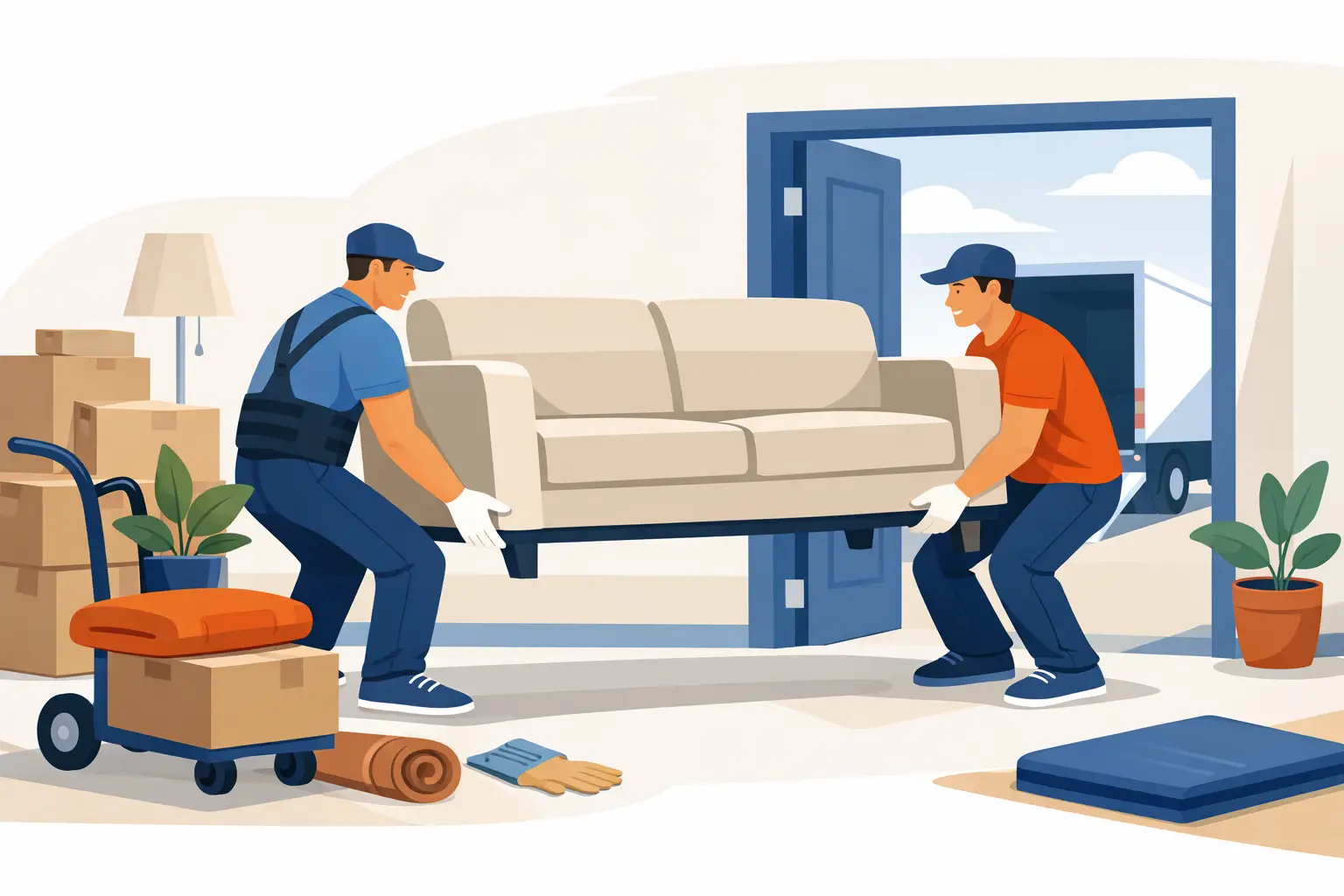
That heavy sofa usually feels manageable until it reaches a tight hallway, a stair landing, or the back of a pickup. Knowing how to move furniture safely is less about strength and more about planning, grip, protection, and using the right vehicle for the job. A rushed move is where damaged furniture, scraped walls, and back injuries happen.
For home moves, office shifts, retail deliveries, and site transport, the safest approach is always the same. Reduce the weight, protect the item, clear the path, and move with control. If the load is bulky, awkward, or needs lifting support, matching the furniture to the right truck setup can save time and avoid expensive mistakes.
How to move furniture safely before lifting anything
Most problems start before the first item is lifted. People underestimate weight, forget to measure access points, or load pieces in the wrong order. A few minutes of preparation can make the entire move easier.
Start by checking the furniture itself. Remove drawers from dressers, shelves from cabinets, and glass from display units where possible. Detachable legs, table tops, and bed frames should come apart before loading. This makes the item lighter and lowers the chance of parts snapping under pressure.
Next, measure the furniture and compare it to doorways, elevators, stairwells, and truck space. This step matters for large sectionals, office desks, reception counters, and storage cabinets. If the fit is tight, plan the angle before you move. Guessing midway through a doorway usually ends with chipped corners or damaged walls.
You also need a clear walking route. Remove rugs that slide, small décor items, boxes, and anything that can catch a foot or trolley wheel. Good lighting helps, especially during early morning or evening moves. If you are working in a building, confirm access times and elevator rules in advance.
Use the right equipment for safer furniture moving
You do not need a warehouse full of tools, but the right basic equipment makes a major difference. Moving blankets protect surfaces from scratches. Straps help secure loads inside the truck. A dolly or hand truck reduces carrying strain. Gloves improve grip, especially on polished wood, metal, and wrapped items.
Sliders are useful for heavy furniture on tile or smooth flooring. They let you shift weight without dragging the item directly across the floor. For tall items like wardrobes or filing cabinets, a furniture dolly gives more control than trying to carry everything by hand.
If the item is especially large, a tail lift truck or a larger pickup with experienced loading support is often the safer option. This matters for commercial furniture, exhibition items, shop fixtures, or heavier home pieces that are difficult to raise into a standard vehicle bed. Paying for the correct transport setup is usually cheaper than replacing damaged furniture or dealing with an injury.
Lifting technique matters more than strength
The safest lift starts with your feet shoulder-width apart and the item close to your body. Bend at the hips and knees, not at the waist. Lift with your legs and keep your back straight. Avoid twisting while carrying. If you need to turn, move your feet instead of rotating your torso.
Furniture should be carried smoothly, not jerked upward. Fast movements throw off balance. For team lifts, one person should lead and count the lift clearly. Simple communication like lift, lower, stop, and turn keeps everyone moving together.
If an item feels too heavy, too wide, or too unstable, stop. That is not hesitation. That is good judgment. Many moving injuries happen because people try to push through one difficult item without enough help.
Protect furniture properly during the move
Safe moving is not only about protecting people. Furniture also needs protection from impact, pressure, dirt, and shifting during transport. Wrapping should match the material.
Wood furniture benefits from padded blankets and stretch wrap used carefully over the padding. Leather and fabric sofas should be covered to keep off dust and avoid tears. Glass should be removed and wrapped separately with clear labeling. Mattresses should go into protective covers to keep them clean.
Corners are the first areas to get hit, so add extra padding there. For office furniture, secure loose cables, remove electronics from desks, and tape doors or drawers shut only after placing protective material underneath if needed. Direct tape on finished surfaces can cause marks or peeling.
In hot weather, which is common for many moves in the UAE, some materials can become more sensitive during handling. Leather, laminate, adhesives, and wrapped finishes may react badly to prolonged heat inside a parked vehicle. That is another reason to load efficiently and move without unnecessary delays.
How to move furniture safely on stairs and in tight spaces
Stairs are where planning and teamwork matter most. One person should guide from the lower end when moving down and from the upper end when moving up, depending on the shape and weight of the item. Move one step at a time and keep the item tilted only as much as necessary.
Tall furniture often needs to be moved in an upright position first, then rotated carefully when space allows. Sofas usually move better in a standing angle through doors and hallways. Tables are easier when legs are removed. Refrigerators and large cabinets should never be forced around corners without checking clearance.
Tight apartment corridors, office entrances, and service elevators require patience. Protect walls and door frames if the space is narrow. If the item truly does not fit, do not keep pushing. Reassess, disassemble further, or use a different loading route.
When to stop and call for support
There is a clear line between a manageable move and a risky one. If furniture needs mechanical lifting, multiple stair flights, or careful loading with other materials, experienced transport support is the better choice. The same applies when time is limited and the move must be completed without disruption to business operations.
For companies shifting office furniture, event setups, retail fixtures, or industrial items, reliable truck capacity matters as much as labor. A poorly matched vehicle creates repeat trips, unstable stacking, and wasted time. That is why many businesses choose a properly sized 1 ton to 10 ton pickup or truck depending on the load type, access conditions, and schedule.
Load the truck with balance and control
Once furniture reaches the vehicle, the job is only half done. Unsafe loading leads to sliding, tipping, and damaged items during transit. Heavy items should go in first and be placed against the front wall of the cargo area where possible. Lighter items follow after, with fragile pieces protected and separated.
Keep weight balanced from side to side. Do not stack unstable furniture just to save space. Items with legs, glass, or polished finishes should not be pinned under heavier pieces. Use straps to secure major items so they do not shift when the driver brakes or turns.
Blankets should go between contact points to reduce rubbing and dents. If the truck has open cargo space, weather protection and tie-down security become even more important. For higher-value furniture, enclosed transport can be the safer choice.
A good loading plan also helps unloading. Place items in reverse order of delivery so the first drop is easiest to access. For office or project moves, label furniture by room, department, or area before loading. That saves time at destination and reduces unnecessary handling.
Common mistakes that cause damage or injury
The biggest mistake is trying to move oversized furniture without enough people or equipment. The second is skipping disassembly because it seems faster. In reality, carrying a fully assembled wardrobe or conference table often creates more delay than taking it apart correctly.
Another common issue is using the wrong vehicle. Small vehicles force awkward positioning, overloading, and multiple trips. That adds handling time and raises the chance of damage. For larger residential moves or business transport, choosing the right truck size from the start keeps the move safer and more efficient.
People also forget to rest. Fatigue leads to poor grip, rushed decisions, and bad lifting posture. If the move is long or involves heat, stairs, or repeated loading, short breaks are part of safe handling, not lost time.
Fast Movers General Transport LLC SPC pickup truck rental supports these kinds of moves every day with practical truck options, experienced drivers, and 24/7 availability for customers who need transport that works on schedule.
A safer move is usually a better move
Furniture moving goes well when nothing dramatic happens. No strained backs, no broken legs on the dining table, no deep marks on the hallway wall, and no last-minute scramble for a bigger truck. If you slow down at the start, use proper lifting methods, protect each piece, and load with care, the whole job becomes easier to manage.
When the furniture is large, the timeline is tight, or the load needs a more suitable vehicle, getting the right transport support is not an extra step. It is the step that keeps the move under control.