

A city move used to mean one thing – stress. Limited parking, building access rules, traffic delays, and last-minute changes could turn a simple job into a long day. That is exactly why the future of urban moving services is changing so quickly. Customers now expect faster response, clearer pricing, better equipment, and transport support that works around real city conditions instead of adding to the problem.
In busy urban areas, moving is no longer just about getting items from one place to another. It is about timing, access, safety, and flexibility. A family shifting apartments, an office relocating equipment, or a business sending materials across town all need a service that can react quickly and carry the right load the first time. That shift in customer expectations is shaping how moving companies and truck rental providers operate.
What the future of urban moving services really looks like
The biggest change is simple. Urban moving is becoming more responsive. Instead of fixed, slow-moving systems, customers want immediate support and practical options. They want to know what vehicle is available, how fast it can arrive, and whether the job can be handled without multiple trips.
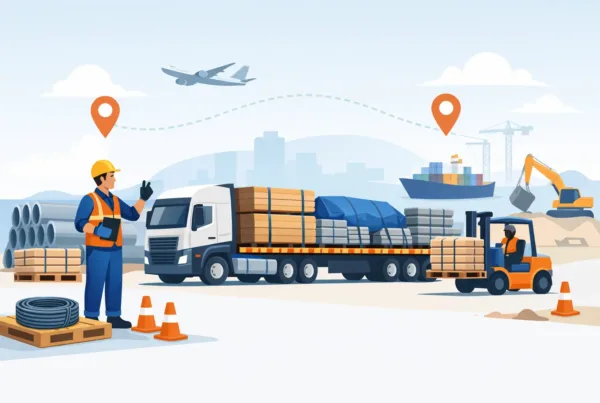
That is pushing the market toward more flexible fleets. One-ton pickup trucks work well for apartment moves, furniture delivery, and light commercial transport. Larger 3-ton, 5-ton, 7-ton, and 10-ton trucks are a better fit for office shifting, site materials, event equipment, and industrial transport. In the future, providers with a wider range of vehicles will have a clear advantage because urban customers do not all have the same needs.
The other major shift is service speed. In cities, delays cost money. If a retail delivery misses a time slot, a site team waits for materials, or an office handover is pushed back, the impact spreads quickly. That is why 24/7 availability and fast dispatch are becoming less of a bonus and more of a basic requirement.
Technology will improve moving, but people still matter
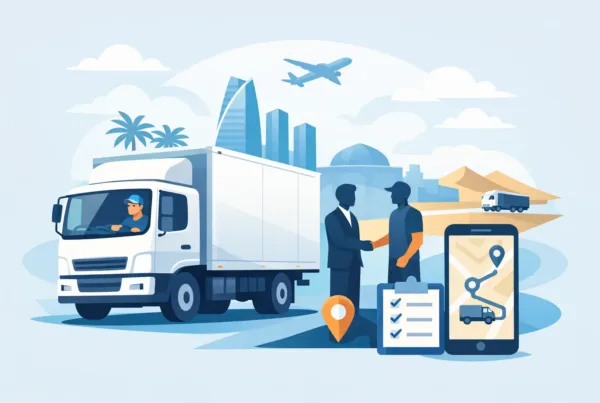
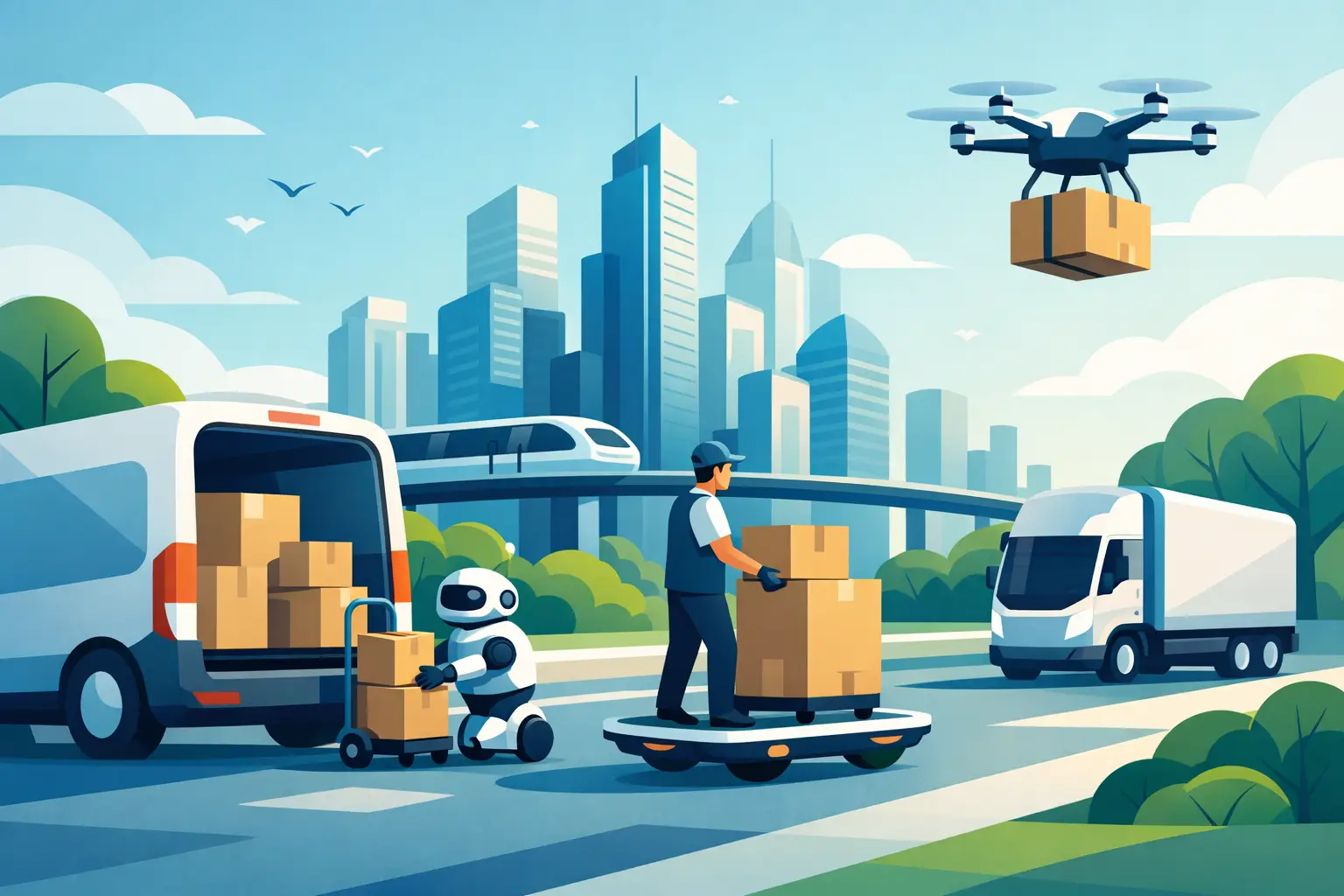
Technology is changing the future of urban moving services, but not in the way some people imagine. Most customers are not looking for a flashy app alone. They want simple booking, fast confirmation, route coordination, and updates they can trust. Good systems help, but reliable drivers and clear communication still do most of the work.
For example, route planning can reduce wasted time in heavy traffic. Digital scheduling can help avoid overlap and improve dispatch accuracy. Vehicle tracking can give customers more confidence about arrival times. These tools matter, especially for businesses moving equipment or managing daily transport needs across multiple sites.
Still, technology has limits. It cannot carry furniture down a narrow stairwell. It cannot speak directly with building security when access changes at the last minute. It cannot inspect whether a load has been secured properly. In urban moving, experienced crews and drivers remain central to service quality. The future belongs to companies that combine smart tools with practical field experience.
Smaller streets, taller buildings, tighter schedules
Urban growth changes the moving business in very specific ways. Residential towers have loading windows. Commercial buildings have restricted entry times. Industrial zones often require careful timing, safety procedures, and the right vehicle type. That means moving services must become more organized and more specialized.
This is one reason vehicle variety matters so much. A standard truck may not be the right fit for every location. Some jobs need open pickup trucks for quick loading, while others need closed trucks for better protection. Tail lift trucks help with heavier goods, especially when loading access is limited. Crane hi-up trucks can support jobs where lifting equipment or materials is part of the transport task. In dense urban settings, matching the truck to the location is often what keeps a move on schedule.
There is also a growing need for short-term transport support. Not every customer wants a full-service moving package. Some want a truck with a driver for a few hours. Others need daily, weekly, or monthly rental support because demand changes by project. This is especially true for events, construction, commercial deliveries, and facility operations. Flexible rental terms are becoming a major part of urban moving, not a side service.
Safety will be a bigger selling point
Price will always matter, but safety is becoming more visible in buying decisions. In a crowded city environment, poor loading, rushed handling, and unsuitable vehicles create problems fast. Damage to goods, delays at sites, and safety incidents all cost more than the original booking.
That is why the future of urban moving services will reward companies that are disciplined about load handling, driver standards, and vehicle condition. Customers want transport partners who show up with equipment that is ready for the job and staff who understand how to work in active residential, commercial, and industrial areas.
For business customers, safety is often tied directly to operations. A project manager does not just need a truck. They need confidence that materials will arrive securely and on time. An event coordinator needs support that fits a tight setup window. A family moving homes wants assurance that their furniture and appliances will be handled with care. Different customers ask for different things, but trust is at the center of all of them.
Urban customers want value, not just the lowest rate
One clear trend is that customers are getting better at spotting false savings. A low quote sounds attractive until the wrong truck arrives, the load takes two trips, or the provider cannot handle access restrictions. Urban moves are full of variables, and cheap service often becomes expensive once delays start.
Real value comes from fit. The right truck size, an experienced driver, clear communication, and dependable timing usually save more than a small price cut. For businesses, this is even more important. If transport delays interrupt a project, the actual cost can be much higher than the booking price.
That is why strong moving and truck rental companies are shifting their message. Instead of selling only on low rates, they are selling on readiness, response time, fleet options, and reliability. That approach fits what urban customers actually need.
The future of urban moving services in working cities
Cities like Abu Dhabi show why practical transport support matters. Residential moves, office shifts, retail deliveries, industrial transport, event logistics, and construction support all happen at the same time, often under tight deadlines. In that kind of environment, moving services cannot operate with a one-size-fits-all model.
The providers that will grow are the ones that can serve both individual and commercial needs without making the process complicated. A family may need a quick pickup for furniture transfer. A warehouse team may need regular truck support. A construction site may need larger capacity and experienced drivers who understand active work zones. Each job is different, but the expectation is the same – respond fast, carry the right load, and do the work properly.
This is where service discipline becomes a competitive edge. Companies that answer quickly, confirm clearly, and send suitable vehicles build repeat business. Fast Movers General Transport LLC SPC pickup truck rental operates in a market where that kind of reliability is not optional. It is what customers remember when they need urgent support again.
What customers should look for next
As the market changes, customers should become more selective. The best urban moving providers are not always the loudest. They are the ones with practical capacity. That means a clear range of truck sizes, experienced drivers, flexible rental terms, and availability that matches real demand.
It also helps to ask better questions. Is the vehicle right for the load and location? Can the provider handle short-notice jobs? Do they understand building access, industrial zones, and event timing? Can they support a single move today and recurring transport needs next month? These details matter more now because urban transport is becoming more time-sensitive.
The future will likely bring more digital booking and better tracking, but the core standard will stay the same. Customers want service that feels dependable from the first call to the final delivery. In moving and transport, that kind of trust is built through consistency, not promises.
Urban moving will keep changing as cities grow, schedules tighten, and customer expectations rise. The companies that stay ready, stay flexible, and stay focused on doing the job right will be the ones people call first when timing really matters.