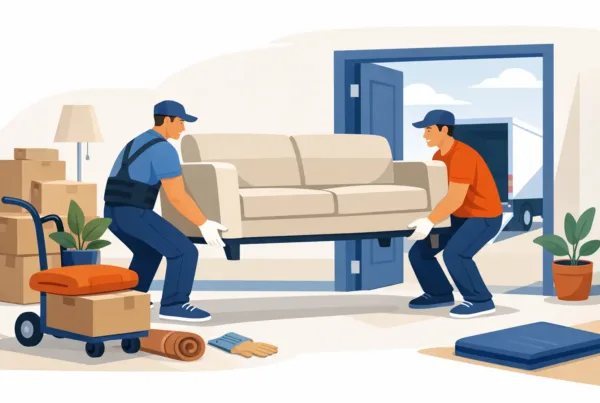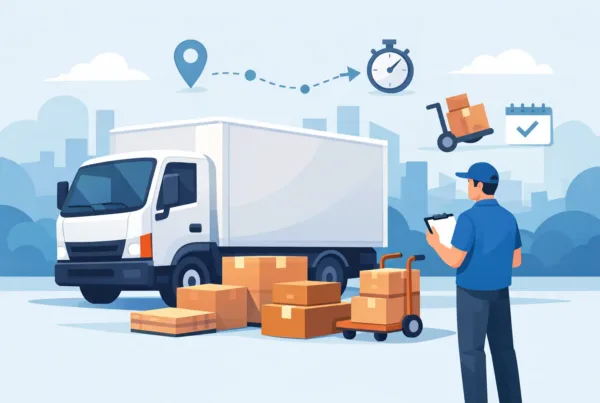



The difference between a smooth move and a long, expensive day usually comes down to one thing – getting the right truck and the right support at the right time. That is why pickup truck rental companies matter more than most people expect. When you are moving an apartment, shifting office equipment, or sending goods across town, the wrong vehicle or a slow response can turn a simple job into a headache.
Some rental providers only hand over the keys and send you on your way. Others do more. They offer driver-supported service, multiple truck sizes, help with loading plans, and fast booking when the job cannot wait. If you are comparing options, that difference matters.
What pickup truck rental companies actually offer
Not all providers are built for the same customer. Some focus on self-drive rental for small personal jobs. Some are geared toward businesses that need transport support without owning a fleet. Others combine truck rental with moving and light logistics, which is often the better fit when time, labor, and coordination are part of the problem.
That combined model is especially useful for home moves, office shifting, retail deliveries, event setup, and commercial goods transport. Instead of booking a vehicle in one place and then figuring out drivers or labor separately, customers get one service that handles the transport side in a practical way.
Truck size is another major point of difference. A company that only offers one or two vehicle types may not be flexible enough for real-world jobs. A better operation usually gives you options like 1 ton, 3 ton, 7 ton, and 10 ton trucks so you can match the vehicle to the load instead of paying for the wrong capacity.
The biggest differences between pickup truck rental companies
Price gets attention first, but it should not be the only thing you compare. A cheap booking can become expensive if the truck is too small, the driver arrives late, or the company cannot handle loading delays, route changes, or extra stops.
Availability is often where the best companies stand out. If you need urgent transport, late-night shifting, or weekend moving support, 24/7 service is a real advantage. For families and working professionals, that flexibility reduces stress. For businesses, it prevents delays that affect operations, deliveries, or customer commitments.
Driver support is another key difference. Many people searching for a rental truck do not actually want to manage a large vehicle in city traffic, deal with parking, or handle route timing under pressure. Businesses may also prefer trained drivers for goods movement rather than assigning that responsibility internally. In these cases, a company that provides driver-supported rental is solving a bigger problem than vehicle access alone.
Service range matters too. Some pickup truck rental companies are fine for one simple point-to-point delivery, but less prepared for larger jobs like office relocation, stock transfer, multi-stop transport, or repeated logistics support. If your needs may grow beyond one trip, it helps to choose a provider that can scale with you.
Choosing the right truck size for the job
This is where many bookings go wrong. Customers either overbook and pay for unused capacity or underbook and end up making extra trips. A good rental company should help you choose the right size based on volume, weight, access conditions, and the nature of the load.
A 1 ton truck usually works well for lighter home items, a few appliances, boxed goods, or small delivery runs. It is often the practical choice for quick urban jobs where access is tight and the load is manageable.
A 3 ton truck gives more room for apartment moves, office furniture, medium inventory transfers, and loads that are too large for a light pickup but do not require heavy commercial capacity. For many customers, this is the middle ground that balances cost and utility.
A 7 ton truck is better suited for larger office shifting, full household moves, bulk goods transport, or commercial loads that need serious carrying power. When the job includes more furniture, equipment, shelving, or stock, this size can save time by reducing repeat trips.
A 10 ton truck is the heavy-duty option for major relocations, large-scale goods movement, warehouse transfers, and bigger commercial assignments. Not every customer needs this level of capacity, but when you do, anything smaller will slow the job down and raise the total cost.
When driver-supported service is the smarter choice
Self-drive rental sounds simple until the work starts. If you are relocating your home, managing an office move, or running a business delivery schedule, driving the truck yourself can add more pressure than savings. You have to handle the route, traffic, loading windows, parking restrictions, and timing while also trying to protect the cargo.
That is why many customers prefer pickup truck rental companies that provide experienced drivers. A trained driver brings control to the job. They know how to handle large vehicles, work around city conditions, and keep transport moving on schedule. That support becomes even more valuable during last-minute bookings or multi-stop jobs.
For businesses, driver-supported service also reduces internal disruption. Instead of pulling staff away from operations or asking employees to manage transport, the company can outsource the task and keep work moving. That is a practical decision, not a luxury one.
What businesses should look for in pickup truck rental companies
Business customers usually need more than a one-time rental. They need reliability, quick dispatch, and service that can adapt to changing workloads. A small business may need delivery support during busy periods. A retailer may need stock transferred between locations. An office may need scheduled shifting without losing productive hours.
In these situations, responsiveness matters as much as truck quality. If the provider is hard to reach, slow to confirm, or unclear about timing, that creates operational risk. The better choice is a company that communicates clearly, confirms availability fast, and has enough truck size options to match the actual job.
It also helps to choose a provider that understands both residential and commercial work. That usually means stronger field experience, more practical coordination, and teams that are used to handling varied transport demands. Companies built around moving and light logistics tend to be more prepared for real jobs than simple vehicle rental counters.
What individual customers should pay attention to
If you are moving home or transporting large personal items, the main concerns are usually cost, speed, trust, and ease. You do not want to chase multiple vendors, wait all day for the truck, or worry about whether the driver can manage the route.
The right company makes the process straightforward. You tell them what needs to move, where it is going, and when you need the truck. They help match the load to the vehicle, confirm the schedule, and handle the transport professionally. That kind of support matters when you are already dealing with the stress of packing, building access, family schedules, or landlord deadlines.
A practical service should also be ready for urgent needs. Many moves and deliveries are not planned far in advance. A booking can come up the same day because a lease changed, an item purchase needs pickup, or a business order must go out immediately. Companies with 24/7 operations are in a much stronger position to help when timing gets tight.
The best choice depends on the job
There is no single winner among pickup truck rental companies for every situation. A self-drive option may be fine for a small, simple load if you are comfortable handling the vehicle. But if the job involves tight timelines, heavier loads, business goods, office equipment, or any real coordination pressure, a driver-supported company with multiple truck sizes is usually the better value.
That is where service makes the difference. A dependable transport partner does more than provide a truck. They help keep your move, delivery, or shifting job on track with the right vehicle, the right team, and the right response time. Providers built around on-demand transport, moving support, and flexible load capacity are often the strongest fit for customers who need the work done properly without wasting time.
When you are comparing providers, do not just ask what truck is available. Ask whether the company can actually handle the job the way you need it handled. The right answer saves time, avoids repeat trips, and takes pressure off your day.